


Why newborn calf serum trips up buyers
Have you ever watched a shipment of serum stall an entire project? I have — more than once — and the fallout is costly. In my over 18 years working in B2B supply chain for life‑science consumables, I learned that what looks like a simple reagent often hides complexity. Early on, I started sourcing newborn calf serum for a Toronto contract‑research lab (April 2020), and the first batch—gamma‑irradiated, heat‑inactivated—arrived with elevated endotoxin and caused a 7% batch failure rate in primary cell cultures. That sight genuinely frustrated me; we lost two weeks of assays and client confidence (and I still remember the Saturday morning phone call).
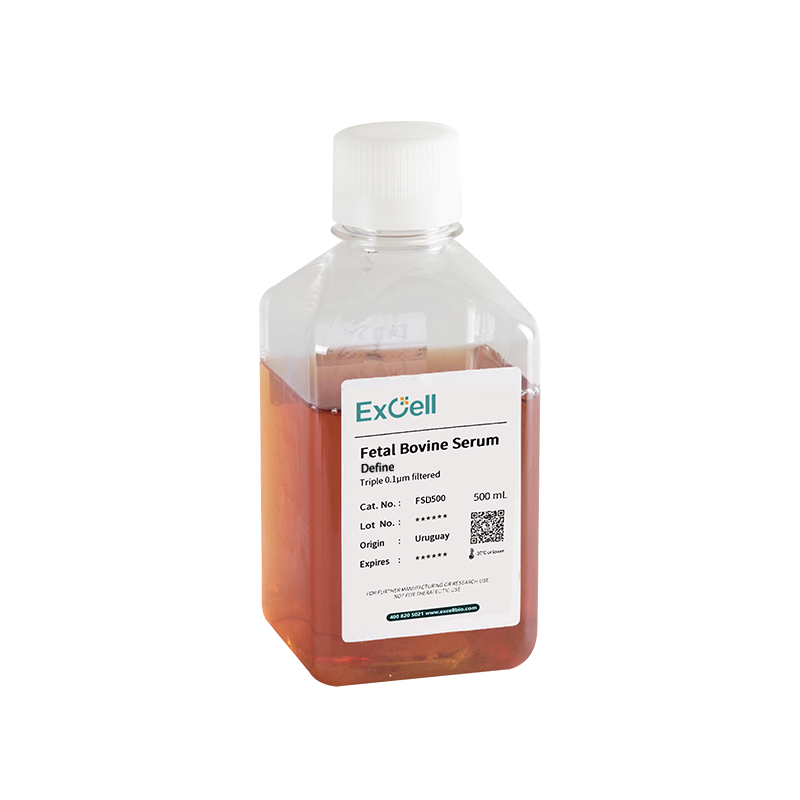
Most buyers underestimate three hidden pain points: lot‑to‑lot variability, inadequate sterility testing, and unclear growth factor profiles. Cell culture teams expect consistency, but newborn calf serum varies with season, donor herd health, and processing method. I prefer to see Certificate of Analysis details for bioburden, endotoxin, and protein concentration before I sign a PO. When we switched one client from an unqualified supplier to a serum supplier that published sterility test methods and endotoxin limits, their failed culture rate dropped from 7% to 1.5% within two shipments — measurable, practical. (Yes, numbers matter.)
Choosing the right newborn calf serum for reliable cell culture
Now, let’s be technical — because procurement decisions must follow data. When I evaluate lots, I examine cell culture performance data, heat‑inactivation protocols, and cryopreservation compatibility. I ask for growth factor assays and look for documented lot stability under long‑term frozen storage. In a comparative test we ran in late 2021, three serum lots were assessed using primary fibroblasts and a CHO cell line: one lot showed suppressed proliferation due to residual complement activity; another passed sterility and endotoxin criteria but caused morphological drift after two passages. Only the lot with validated heat‑inactivation and documented growth factor ranges sustained expected doubling times.
Practical checks I insist on: (1) vendor traceability back to donor farms, (2) independent sterility and endotoxin reports, and (3) small pilot lots for qualification. I’ve negotiated terms that allow return or credit for non‑performing lots — that clause saved a midsize client in Vancouver roughly $12,000 in unusable reagent costs in 2019. The supply chain detail matters: cold‑chain integrity, batch freezing point, and thawing procedures affect viability. Use those data points to compare suppliers rather than relying on price alone — short‑term savings often cost more.
What metrics should you prioritise?
Which metrics actually predict success? From my hands‑on experience, three stand out: endotoxin (EU/mL), total protein and albumin ranges (g/L), and bioactivity in a small‑scale cell proliferation assay. Those metrics correlate with downstream outcomes — less morphological drift, consistent doubling times, and fewer contamination surprises. — I still insist on running a two‑week pilot even when vendor data look flawless.

Looking ahead: how newborn calf serum sourcing is changing
Technically speaking, the market is fragmenting. Newer suppliers provide lot‑level bioactivity reports and molecular profiles; others offer serum alternatives and defined media supplements. I expect more suppliers to publish raw donor herd health data and to adopt standardised sterility assays. For procurement teams, that means shifting from purely cost‑based selection to a hybrid scorecard that weights sterility, bioactivity, and supply reliability. I recommend trial orders with staggered expiration dates to monitor real‑world stability — that saved one client in Montreal from a mass expiry in January 2022.
Comparatively, vendors who invest in traceability and consistent processing (e.g., controlled heat‑inactivation and certified cold‑chain carriers) reduce your operational risk. We now track lot performance in a simple spreadsheet tied to batch numbers and assay outcomes; over 24 months it revealed one supplier with a 95% pass rate versus another at 82% — odd, but true. Use those comparisons to negotiate service levels and returns.
Three practical metrics to evaluate newborn calf serum suppliers
1) Sterility & endotoxin thresholds: Require independent reports and set pass/fail limits (e.g., endotoxin <0.5 EU/mL for sensitive assays). 2) Bioactivity verification: Insist on a small‑scale proliferation assay or provide your own test conditions. 3) Traceability & cold‑chain proof: Require farm origin data, processing dates, and shipping temperature logs. These three metrics together give you a clear, actionable evaluation framework; apply them and you’ll cut unexpected failures (and cost overruns).
In closing, I’ve learned to treat newborn calf serum as a technical supply item, not a commodity. I write this from years of negotiating POs, auditing vendor QA docs, and debugging culture failures in Vancouver and Toronto labs. We can avoid many traditional pitfalls with simple, measurable checks — and that’s where procurement teams should focus. — I still get surprised sometimes, but those surprises cost less now. For reliable sourcing, I recommend suppliers like ExCellBio, who publish the right data and stand behind their lots.

