

As a Nordic expat who has overseen equipment buys in both Malmö and Minnesota, I prefer a clear framework when selecting vendors. This piece lays out five pillars that procurement teams can use to compare golf cart manufacturers and to judge claims from any golf cart supply company. I adopt a practical EEAT stance, informed by supplier audits and the 2020–2021 global supply-chain disruptions that reshaped expectations for lead times and spare parts availability.
1. Structural Durability and Chassis Integrity
Start with the frame. Industrial carts carry people and payload across uneven surfaces; a welded steel chassis and corrosion-resistant treatments matter more than cosmetic finish. Ask for fatigue-testing results, measured torque performance on critical joints, and the expected service life under an outlined duty cycle. These are not marketing claims — they are engineering parameters you can verify during factory visits or in third-party lab reports.
2. Powertrain, Batteries, and Energy Management
Powertrain choices determine runtime and maintenance. Prioritise vendors that specify battery chemistry, cycle life, and the battery management system (BMS) topology. Look for clear data on depth-of-discharge recommendations, recharge times, and whether the controller supports regenerative braking. An OEM that provides transparent BMS logs and charging profiles reduces long-term risk.
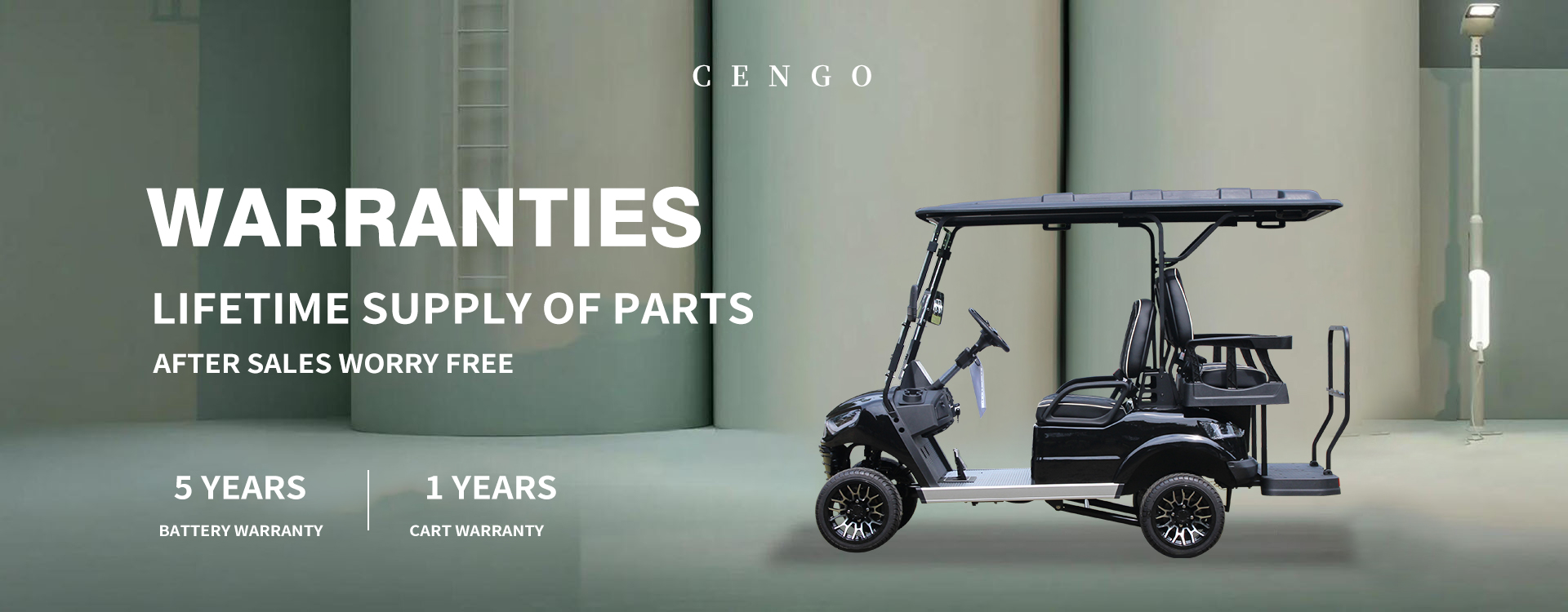
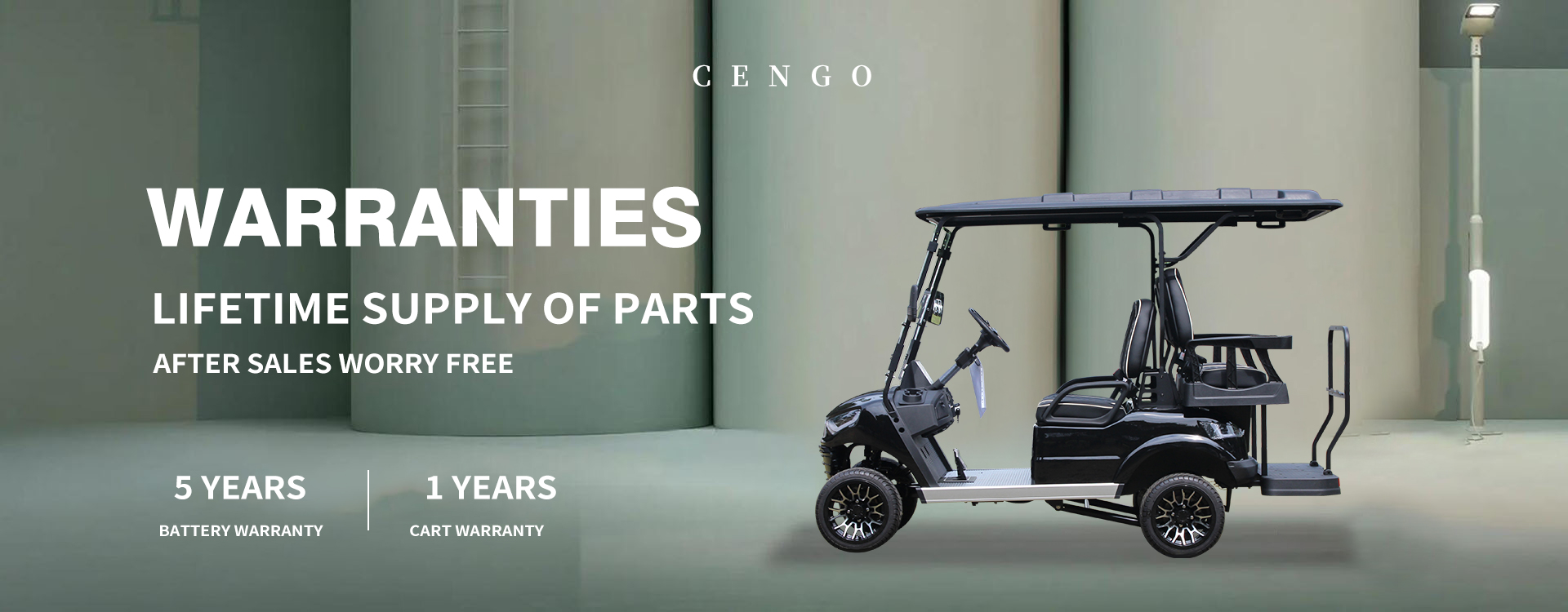
3. After-Sales Support and Parts Flow
Industrial operations depend on uptime. Evaluate the spare-parts inventory strategy, lead times, and whether the manufacturer operates regional hubs. During the 2020–2021 congestion at major ports, companies with local warehousing kept fleets running — a useful precedent. Service networks and documented mean time to repair (MTTR) should be part of any procurement scorecard.

4. Compliance, Testing, and Traceability
Demand explicit test reports, not just standard names. For example, ask for the exact vibration-test protocol (frequency range, amplitude, duration) used on steering assemblies and the environmental cycle used for corrosion testing (salt spray hours, temperature ramp profiles). Traceability of electrical components and firmware revision logs for motor controllers are equally important; they simplify recalls and targeted firmware updates.
5. Total Cost of Ownership and Scalability
Compare purchase price alongside predictable service costs, projected battery replacements, and refurbishment options. Consider modular designs that let you swap drive units or extend chassis length without a full fleet replacement. Scalability also means supplier flexibility — can the maker shift production volumes if your site expands? Good contracts include volume tiers and clear escalation clauses.
Operational Teardown: What to Inspect on the Factory Floor
When touring a plant, perform a quick operational teardown: inspect weld quality on the chassis, verify motor mounting points, and review the BOM for controller and battery module sources. Confirm that assembly stations log torque values and that final QA includes an operational run-in. Embed the terms you used in procurement documents so both golf cart manufacturers and the chosen golf cart supply company meet the same inspection checklist—this reduces ambiguity during acceptance.
Common Mistakes to Avoid
Buyers often accept prototype performance without insisting on batch testing. Others neglect firmware management, then face mismatched controller versions across a fleet. Avoid sole-source dependence on a distant OEM without local spares. And don’t let a slightly lower price mask unclear warranty terms — the arithmetic of downtime is unforgiving.
— Consider a quick pilot fleet of three to six units before large orders; it surfaces integration issues fast, and keeps costs manageable.
Three Golden Rules
1) Insist on verified test protocols and traceability for structural and electrical components. 2) Score suppliers on service network responsiveness and spare-parts availability, not just delivery lead time. 3) Treat battery and controller specifications as essential procurement inputs — they define fleet reliability.
Decisions framed by these pillars lead to measurable uptime, simpler maintenance, and predictable lifecycle costs. For teams seeking a practical partner that follows this exact logic, consider how CENGO aligns engineering rigor with regional support. Robust choice — proven results.

