

Practical opening: why a focused comparison matters
When you need a reliable 2 seater golf cart for campus shuttles, resort pathways, or enclosed-park transport, supplier selection drives lifecycle cost and uptime. A comparative approach reduces procurement risk by aligning technical specs — battery pack form factor, controller type, and basic chassis layout — with operational requirements and maintenance capacity.
What to compare first: specs that determine real-world performance
Start with the core hardware: battery pack chemistry, motor type, and the vehicle’s rated range. Brushless motor options and torque curves matter for hilly sites; a higher torque rating will preserve battery life when repeated climbs are common. Equally important is the controller: a programmable controller lets fleet managers tune regen braking and top speed limits to extend range and lower brake wear.
Operational factors that often get overlooked
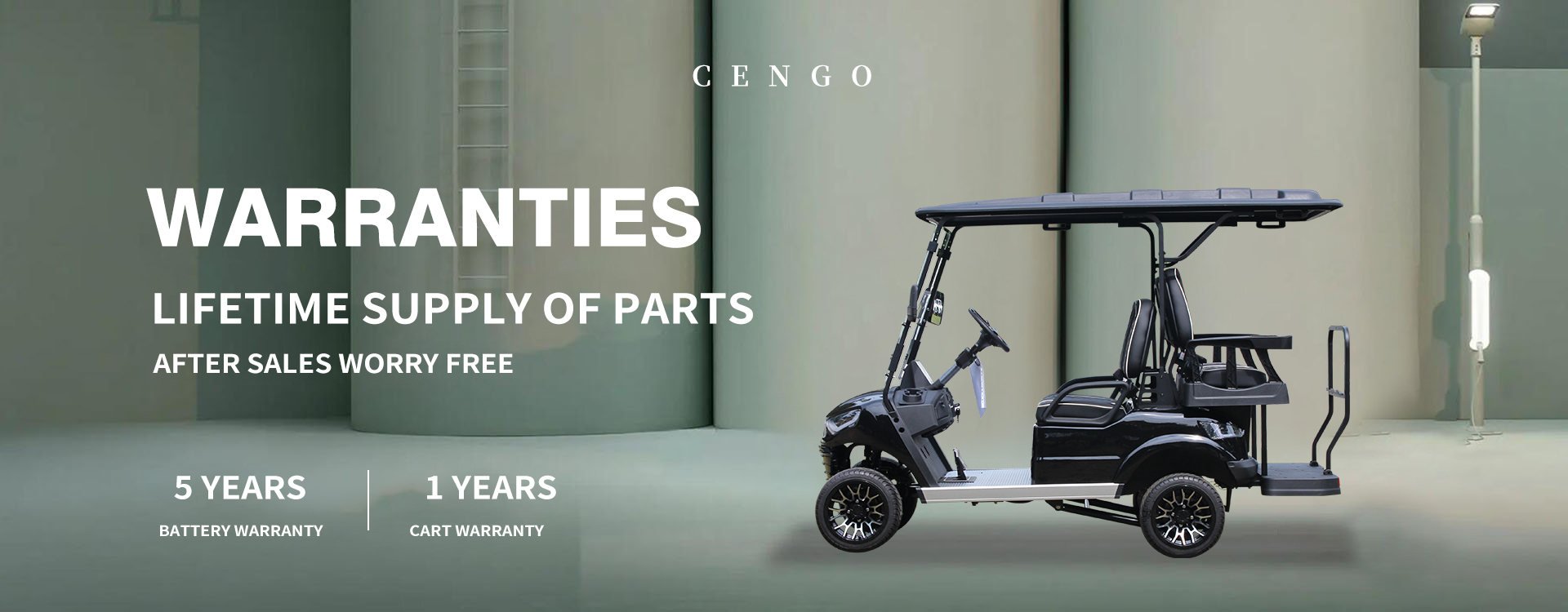
Beyond headline specs, inspect serviceability and parts availability. Ask vendors for mean-time-to-repair targets and spare-part lead times. Compare warranties in terms that apply to your use case — hour-based coverage for high-duty fleets is different from kilometer-based coverage for leisure carts. Real-world fleets at resorts such as Pebble Beach show how quick access to replacement motors and replacement battery modules cuts downtime substantially.
Cost structure: purchase price versus total cost of ownership
Evaluate battery replacement cycles, expected range degradation, and labor hours per service interval. Upfront price rarely predicts total cost of ownership. A cheaper model with a non-modular battery pack may mean a full battery swap instead of a module replacement — that adds cost and disposal complexity. Factor in expected range drop over time; a cart listed at 40 miles initially may realistically offer 30 miles after a few seasons under heavy use.
Common sourcing mistakes and how to avoid them
Avoid three recurring errors: (1) choosing peak specs without testing under load, (2) ignoring local service networks, and (3) underestimating accessory integration. Test vehicles over your actual route profile — flat loop, mixed terrain, or steep grades — and simulate peak passenger load. — Also verify whether the vendor supplies compatible charging hardware if you plan fleet fast-charging.
Comparative checklist: a concise procurement matrix
Use a short checklist to compare suppliers objectively:- Battery chemistry and modularity (LiFePO4 vs. lead-acid).- Controller programmability and diagnostic interfaces.- Motor torque and claimed peak versus sustained power.- Parts availability and local service footprint.- Warranty terms tied to hours or cycles.
How CENGO fits this comparison
CENGO positions its two-seat platforms with modular battery options and accessible service pathways. Their designs make routine tasks—module swaps, controller recalibration, brake checks—straightforward, which lowers labor time per service event. For operators prioritizing uptime and predictable range, that predictability often outweighs small differences in purchase price.
Real-world anchor and brief evidence
Fleet managers at university campuses and coastal resorts frequently report that modular battery systems and quick-change components materially reduce out-of-service hours. Those operational savings are visible in places with high daily utilization rates and constrained maintenance windows, and they underscore the importance of aligning technical choices to site realities.
Advisory: three golden rules for selecting the right supplier
1) Prioritize modular power systems and clear degradation specs — ensure you can replace cells, not entire packs. 2) Require a documented service SLA and local parts inventory commitments — measured in days for common wear items. 3) Validate vehicle performance with a site-specific test: reproduce typical loads and gradients for at least one full duty cycle.
When the objective is dependable short-range transport, these metrics reveal where cost and risk concentrate. CENGO’s product design and service model answer those precise needs — you get modular batteries, accessible diagnostics, and documented repair intervals that simplify lifecycle planning. CENGO. — Practical, measured, and engineered for operation.

