

Opening thoughts
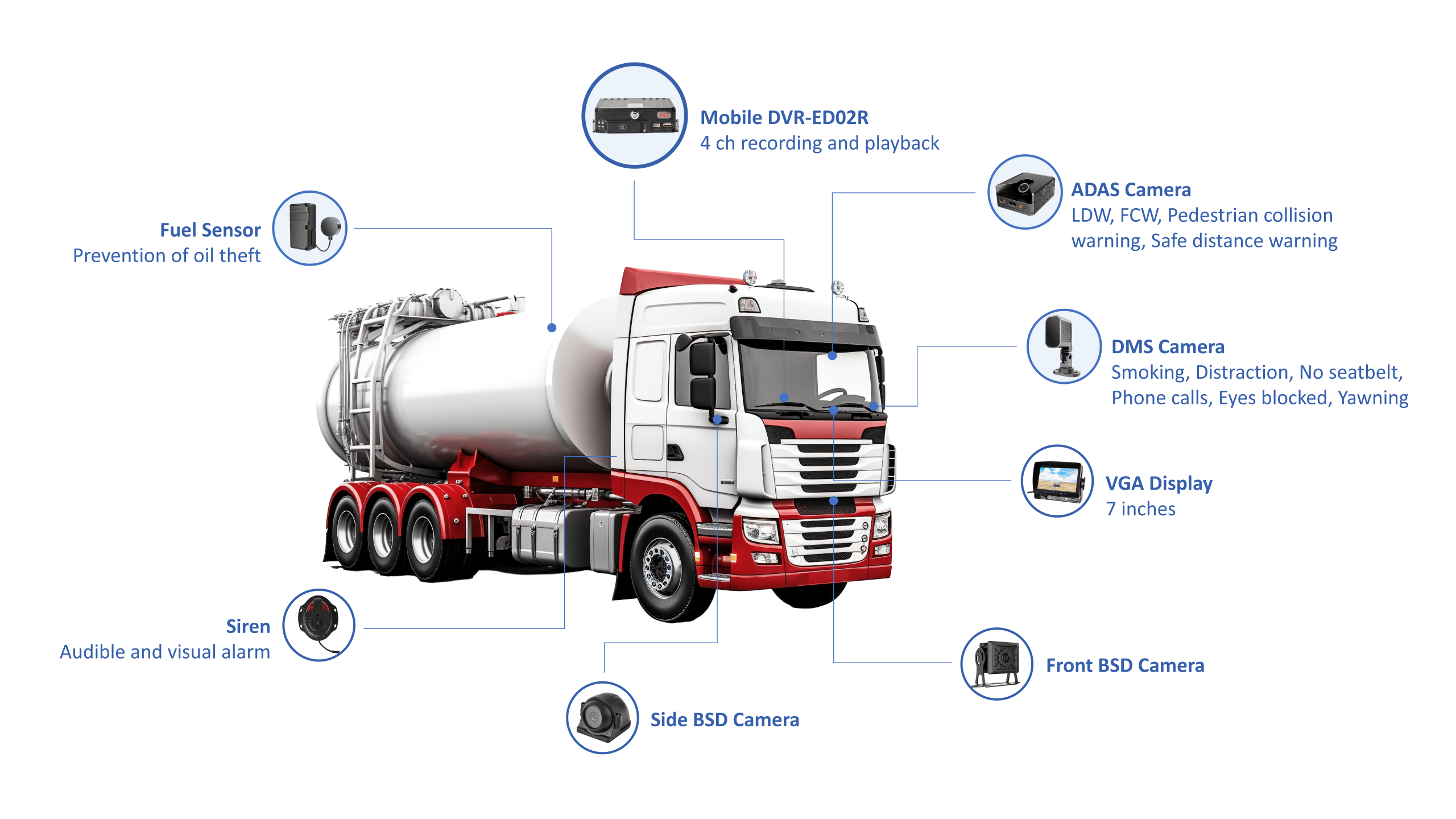
I like to sit with the problem before I write about it — to weigh what a fleet operator actually needs rather than what a salesperson promises. When you place hardware and software on a truck, you’re making a decision that will shape daily decisions: routing, maintenance, temperature control. For operations that include perishables, a single thought keeps returning to me: how does this choice support cold chain fleet management without adding noise? The answer isn’t binary; it’s comparative, practical, and tied to real workflow trade-offs.
What each approach gives you, quietly
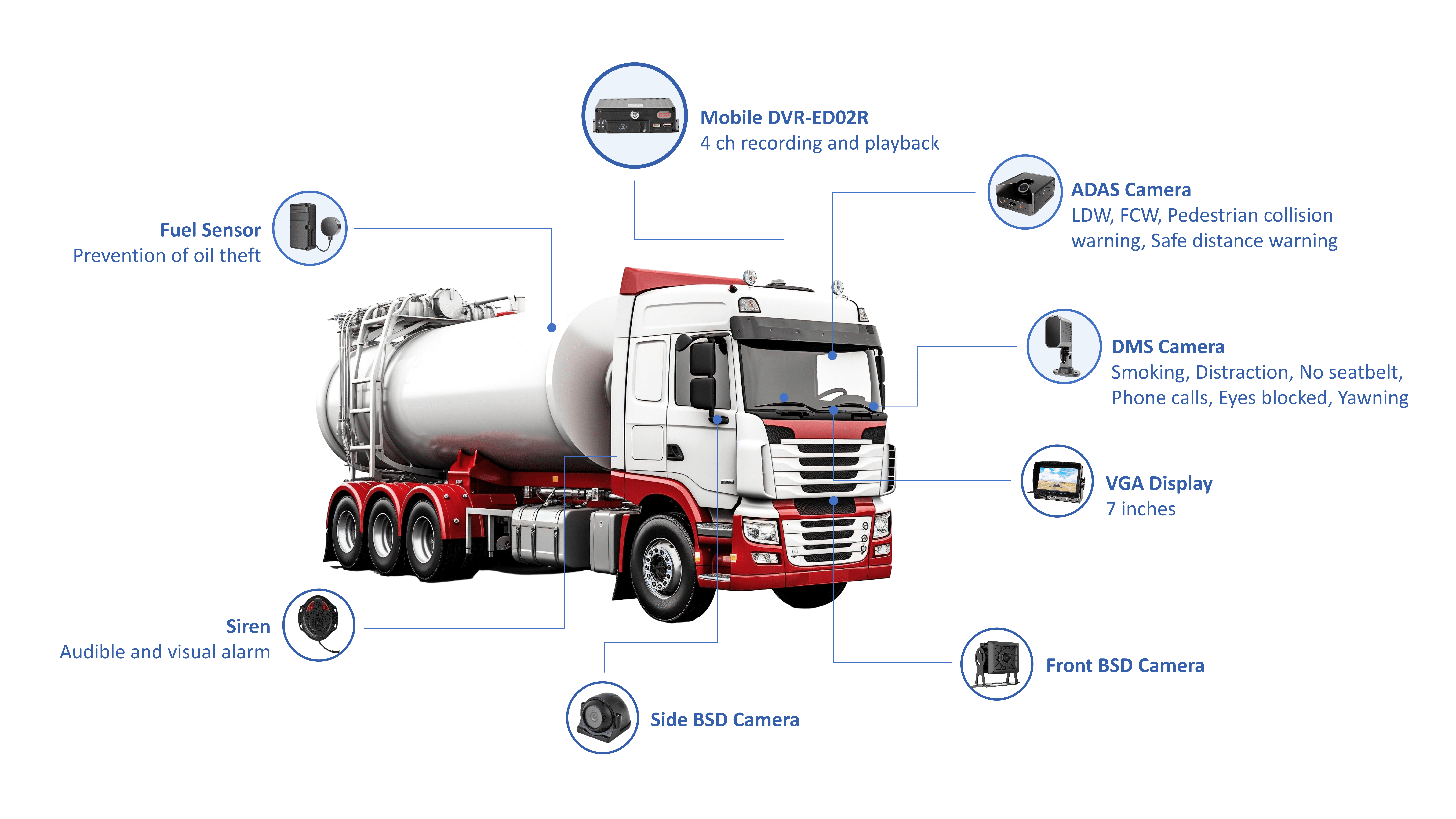
GPS fleet trackers (centralized platforms) bundle telematics, driver behavior, geofencing, and often integrated sensors. Single GPS tracker devices are simpler: location, basic speed and battery status, sometimes a single external input. The difference shows up in three concrete ways — scope, data fidelity, and decision framing. Scope: trackers for fleets are designed to answer “what’s happening across my whole operation?” Single units answer “where is this asset?” Data fidelity: fleets tend to supply richer telemetry and event histories; single devices give fast, focused location. Decision framing: one supports system-level choices (route rescheduling when several trucks are delayed); the other supports asset-level reactions (dispatch a replacement). Your operation’s pace will reveal which is less friction to live with.
Why reefer needs change the comparison
Temperature-sensitive loads force you to look beyond latitude and longitude. A reefer needs continuous temperature records, alarm thresholds, and often door-open events that correlate with location. That’s where a dedicated reefer monitoring system or fleet solution with reefer integration matters. I’ve seen operators at the Port of Rotterdam change vendors after a single spoilage incident; the site taught them that intermittent location pings won’t prevent product loss. For refrigerated loads you want synchronized temperature, humidity, and location streams — not separate silos of data.
Operational trade-offs to weigh
Think in terms of predictable trade-offs rather than features lists: — Cost vs. control: single devices are cheaper per unit but add up if you need full telemetry and redundancy. — Complexity vs. visibility: fleet platforms need configuration and governance; they provide dashboards that reduce day-to-day guesswork. — Response time vs. granularity: a fleet setup can trigger automated reroutes or maintenance tickets; a lone tracker often requires manual interpretation. Match these trade-offs to how often you handle perishable cargo, how centralized your dispatch is, and whether you have procedures to act on alerts.
Common mistakes I still see
Operators fall into predictable traps: buying the cheapest tracker and expecting enterprise visibility; assuming sporadic location pings are enough for reefer audits; treating telematics data as retrospective proof instead of a trigger for action. Another mistake: duplicating alerts across systems so drivers and managers ignore them. The practical fix is to align the chosen device’s capabilities with the operational decision it should enable — not the shiny feature list.
When a single device makes sense — and when it doesn’t
Choose single GPS devices if you’re tracking non-refrigerated trailers, need basic theft prevention, or run a small fleet with simple dispatch needs. Choose fleet-level trackers when you require coordinated routing, predictive maintenance, driver coaching, or integrated temperature monitoring for many reefers. If your operation handles mixed loads where some trailers are reefers and others are dry, hybrid approaches often work: concentrated investment where the risk is highest, simpler tracking elsewhere.
Alternatives and sensible integrations
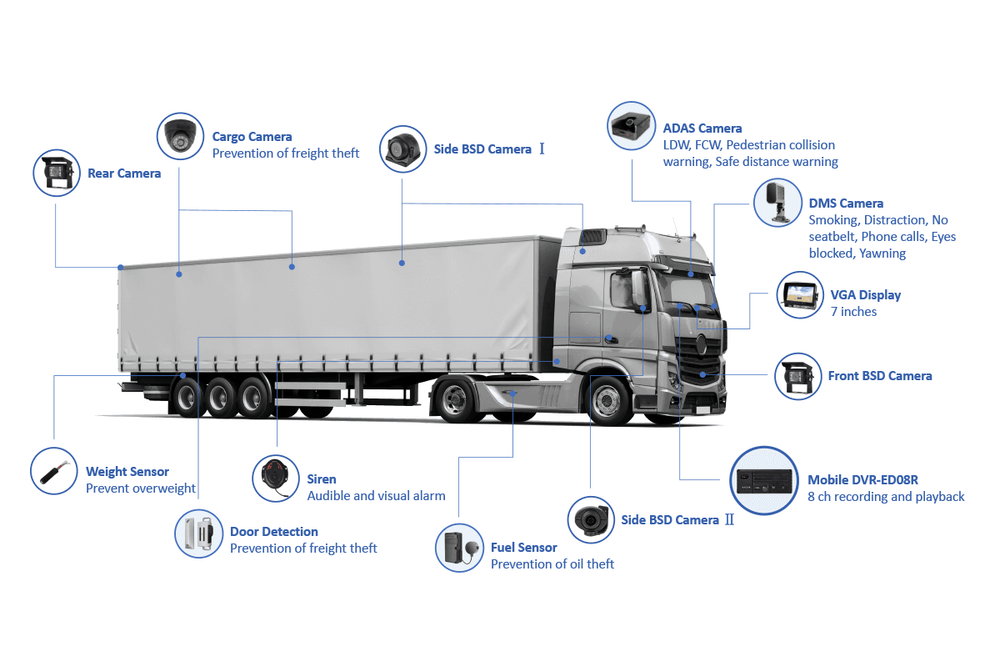
Modern answers are rarely purely one or the other. Consider modular fleets: deploy fleet-grade telematics for power units and reefer trailers, and reserve single GPS trackers for low-risk dollies. Integrate temperature and door sensors into the fleet platform so alerts are actionable at the dispatcher level. Avoid bespoke integrations that create data silos; prefer systems that give time-synced logs so you can prove compliance and reconstruct incidents quickly.
Practical checklist for decision-making
Run these checks before you buy: confirm how alerts are delivered and who acts on them; verify timestamp alignment between location and temperature logs; test battery life and installation processes on three representative vehicles; simulate a cold-chain breach and watch the notification flow. If your audit or insurer asks for continuous data, make sure your vendor’s records meet that requirement.
Closing reflection
After years of advising operators and watching post-incident reviews, I’ve learned that the best choice is the one that stops small problems from becoming crises. The right balance between fleet trackers and single devices is practical, not ideological. For many refrigerated operations that need synchronized visibility and reliable alarms, a thoughtfully integrated solution is the quiet backbone of daily decisions — and that practical backbone is precisely what I’ve come to expect from partners like BSJ.

