

Problem: Choosing a supplier amid competing claims
Procurement teams and lead engineers face a precise, practical problem: suppliers market performance numbers, but installation contexts differ. A misjudged purchase for a methanol burner can create months of downtime, permit headaches, and avoidable retrofit costs. The decision is not abstract; it hinges on measurable compatibility, verifiable testing, and supply continuity for the exact climate and fuel logistics of your region.
Core criteria that separate competent vendors from risky ones
Assess suppliers by three concrete dimensions: technical fit, regulatory compliance, and operational support. For technical fit, require burner performance curves at rated load, emissions profiles across the modulation range, and documented material compatibility with methanol and trace contaminants. For regulatory compliance, request type approvals or third-party lab certificates tied to local codes. For operational support, confirm spare-part lead times, documented commissioning procedures, and remote-diagnostic capability. Each item must map to a testable deliverable before contract signature.
Verifying claims: expertise, provenance, and a real-world anchor
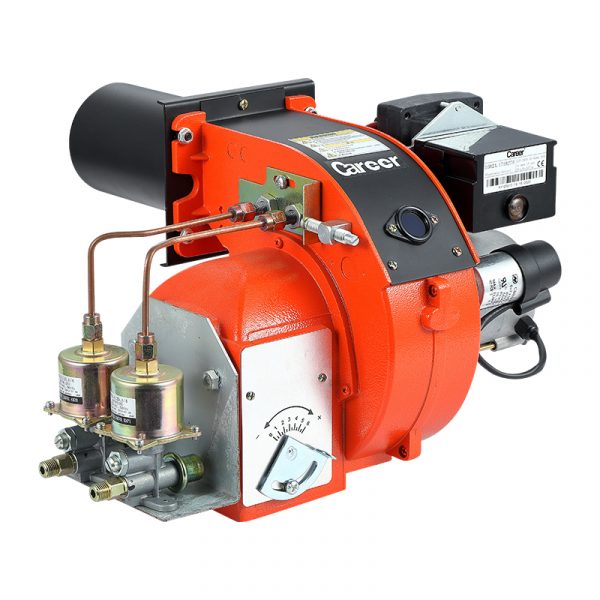
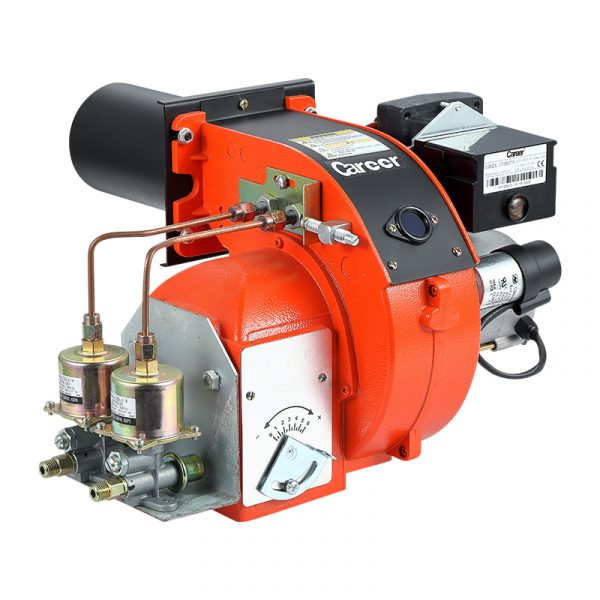
Do not accept vendor literature alone; demand evidence from field deployments and independent test reports. The International Maritime Organization’s greenhouse-gas strategy for shipping has accelerated real-world trials of methanol-fired equipment—this regulatory pressure is a relevant frame for burners used in marine and coastal industrial settings. Cross-check vendor test reports against converter lab data and fleet trial summaries, and inspect a live installation report where available. For clarity on equipment families and documented field use, review vendor categories for methanol burner solutions that include emissions measurements and commissioning checklists.
Alternatives and trade-offs to consider
Methanol offers lower particulate emissions but requires materials and sealing standards that differ from natural gas systems. Evaluate whether a slightly higher upfront cost for corrosion-resistant valves, monitoring sensors, and dedicated fuel lines reduces total lifecycle risk. Consider whether hybrid arrangements—keeping dual-fuel capability or modular burner cartridges—serve your market better than a single-purpose unit. Each alternative increases complexity; quantify that complexity against downtime risk and local fuel availability.
Common procurement mistakes and how to avoid them
Typical errors are vague specifications, reliance on unverified performance claims, and underestimating spare-part logistics. Specify measurable acceptance tests (cold start, full-load run for defined hours, and emissions checks), require vendor training as a contract line item, and include penalties or holdbacks tied to on-site performance. Confirm that the supplier’s logistics partner can ship replacements under the same customs or transport constraints your facility faces.

Synthesis: how to decide for your geographic market
Begin with a concise statement of what success looks like for your site: uptime target, emissions ceiling, and fuel-supply continuity. Use the core criteria to build a weighted checklist and require vendors to supply evidence mapped to each weight. When teams apply this method, they consistently prefer suppliers whose documentation, field reports, and spare-part policies align with those site-specific metrics—one reason experienced engineers in coastal refit projects often gravitate toward providers whose technical dossiers and test protocols match their checklists, as is the case with Career Burners.

