

You’re responsible for a new part — what really matters?
You want parts that fit, perform, and arrive on time. Start by asking your prospective precision parts manufacturer three simple things: what tolerances they routinely hold, which inspection reports they supply, and how they handle unexpected changes. My approach is user-first: the supplier must solve your risk, not add to it. At major venues like the IMTS show in Chicago, suppliers demonstrate real prototype workflows, and those live examples often reveal how they manage prototype machining — a useful indicator of capability and communication under pressure.
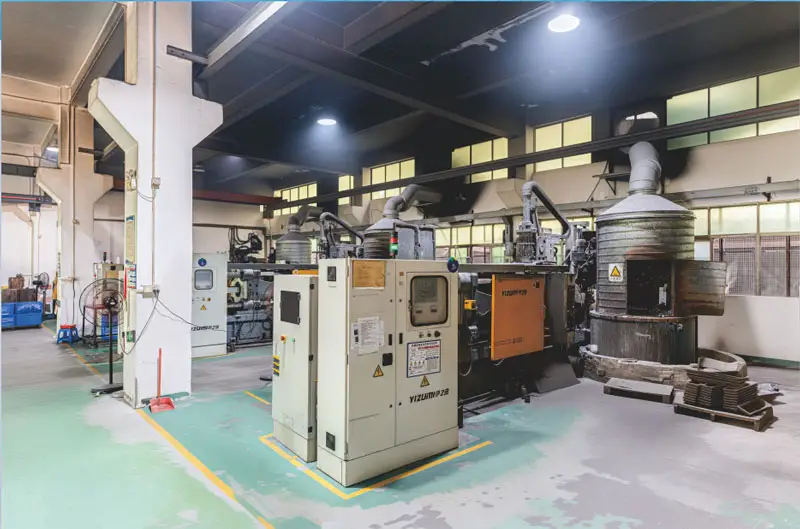
Experience you can verify
Look for measurable experience. Ask for examples of similar parts, with material and tolerance data. Expect references that include batch size and actual achieved tolerances — for instance, consistent ±0.01 mm work on aluminum, or documented Ra ≤ 0.8 µm finishes on small stainless shafts. I’ve worked with teams that moved from hand-fitting prototypes to production-ready runs after a single carefully documented pilot; those records matter more than glossy brochures.
Common mistakes first-time buyers make
They over-specify tolerances everywhere. They leave GD&T vague. They ignore fixture and handling costs. Specify tight tolerances only where function demands them; uncontrolled tolerances multiply cost. If you don’t provide clear datum references, machinists will guess. Also, don’t assume lead time and cost are fixed: complex setups, hard-to-fixture shapes, and exotic coatings add time and price rapidly.
How to evaluate quotes — look past the headline price
Compare quotes by the same metrics: material traceability, inspection reports (CMM, first-article), batch size assumptions, and who pays for tooling and proof-offs. A low unit price sometimes hides high first-piece setup or rework risk. Ask whether the quote assumes a single prototype run or recurring volumes; change the assumption and the economics change fast.
Materials, finishes, and what they imply
Choose materials for function first, machinability second. 6061 aluminum machines fast and finishes well; 17-4 PH gives strength but needs careful temper control; PEEK and other polymers require different fixturing and tool paths. Surface finish requests like Ra ≤ 0.4 µm usually add cycles or secondary operations. Ask for sample coupons when finish is critical.
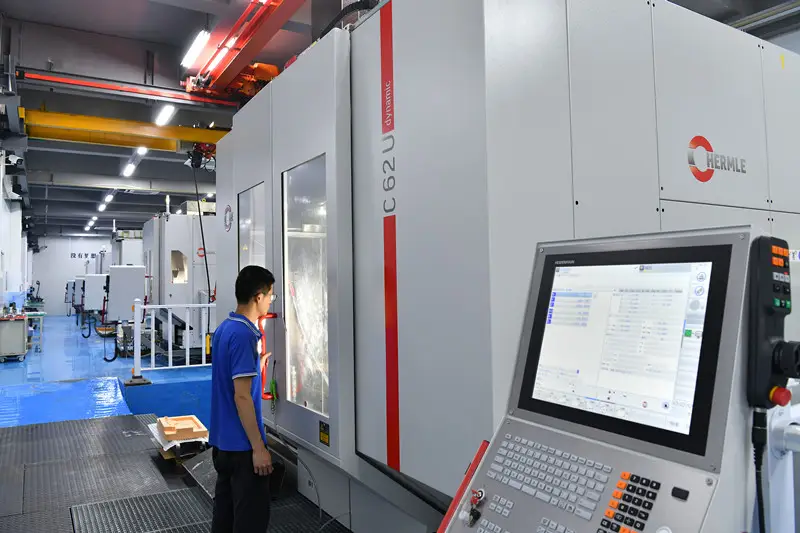
Inspection and documentation — what to demand
Require a first-article inspection report with key dimensions measured and traceable calibration noted. CMM data in a neutral format, photo evidence of fixtures, and material certificates for critical lots remove ambiguity. If your part is an assembly interface, add functional checks — torque, runout, or fit tests — not just dimensional numbers.
Alternatives you should consider
Local machine shops: fast communication and easier visits, but capacity can be limited. Domestic contract manufacturers: stronger quality systems and documentation at higher cost. Overseas vendors: good for volume and competitive pricing, but plan for longer feedback loops. Digital/on-demand services: quick turn for simple geometries and low risk. Balance risk, communication needs, and schedule when choosing.
Practical checklist before you order
1) Finalize GD&T and only tighten tolerances where they matter. 2) Specify inspection deliverables. 3) Confirm material certificates and heat treatment if applicable. 4) Ask for a setup or prototype run and its cost. 5) Agree on change control and rework policy. These five checks cut most surprises.
How decisions affect schedule and budget
Tighter tolerances, complex finishes, and special treatments lengthen lead times and raise costs non-linearly. A small design tweak that simplifies a datum or replaces a tight bore with a press-fit can halve both cycle time and price. Make trade-offs deliberately — every dimension you tighten is a line item on the quote.
A final note, from practical experience
Buyers who get predictable parts choose partners who document decisions, report measurement results, and own problems when they arise. That consistency is what turns a prototype into a reliable product. For many teams, that dependable partnership looks like an experienced supplier that stands behind prototypes through to production; often that partner is represented by firms such as Hanstar, which blend documented capability with practical problem-solving on the shop floor.

