

Quick hit: why this matters to you
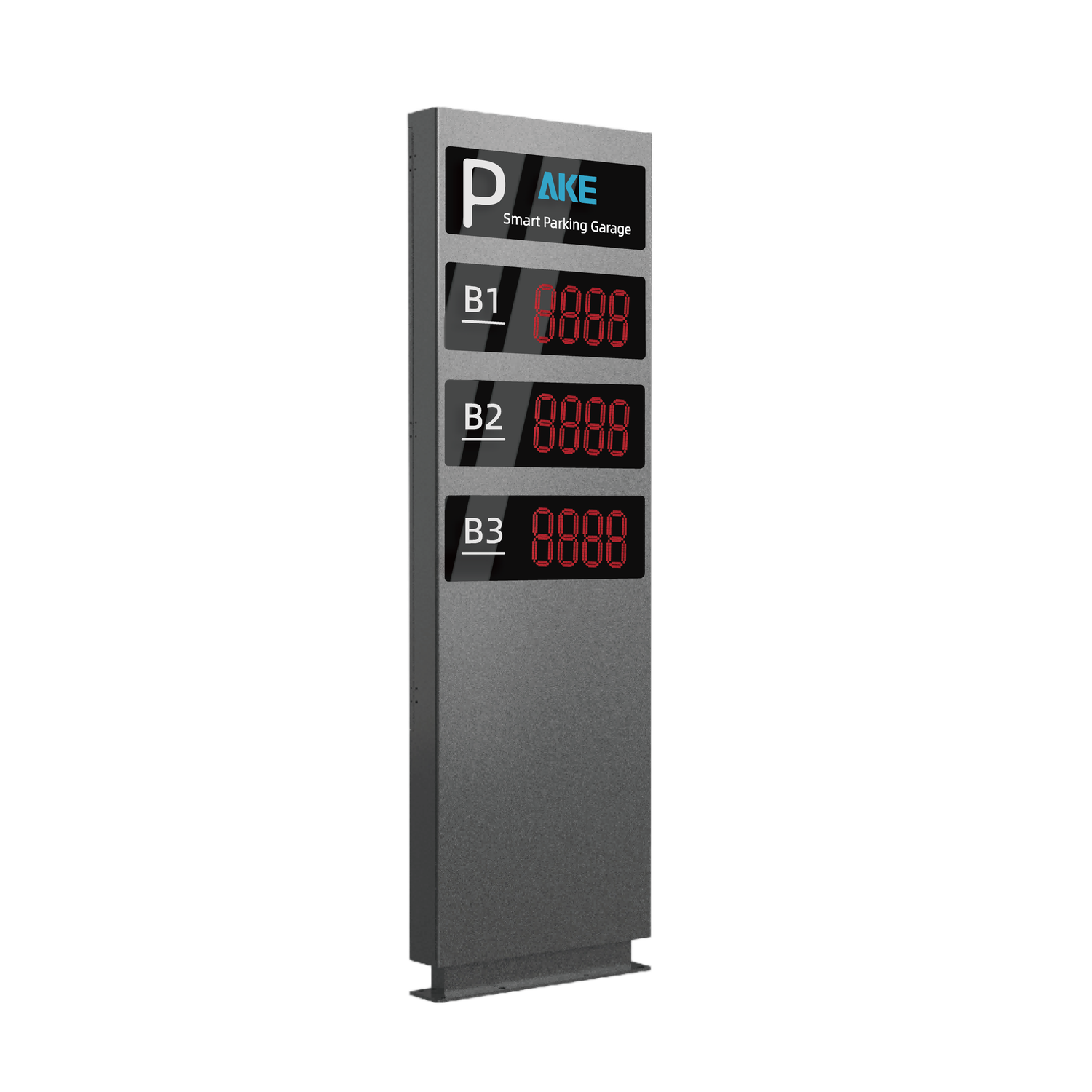
Look — you need a parking setup that moves, not a clunky relic. Start by checking the live signals: does the platform show real-time spots or just guesswork? Slide into a demo and watch how the map updates, how reservations lock down, and how payments clear. If you’re comparing features, peek at a solid parking guidance system to feel the baseline speed and accuracy you should expect.
Real-world proof and my street cred
I’ve run hands-on pilots with operators and done field checks at major hubs like Los Angeles International Airport (LAX); see parking guidance systems llc. That’s where you see sensor drift, payment edge-cases, and user confusion show up first. Trust this: experience beats buzzwords. Test metrics you can measure — error rates, recon time for transactions, and average time-to-spot — and treat them like gospel when a vendor talks uptime and “smart” features.
Core checks every user should run
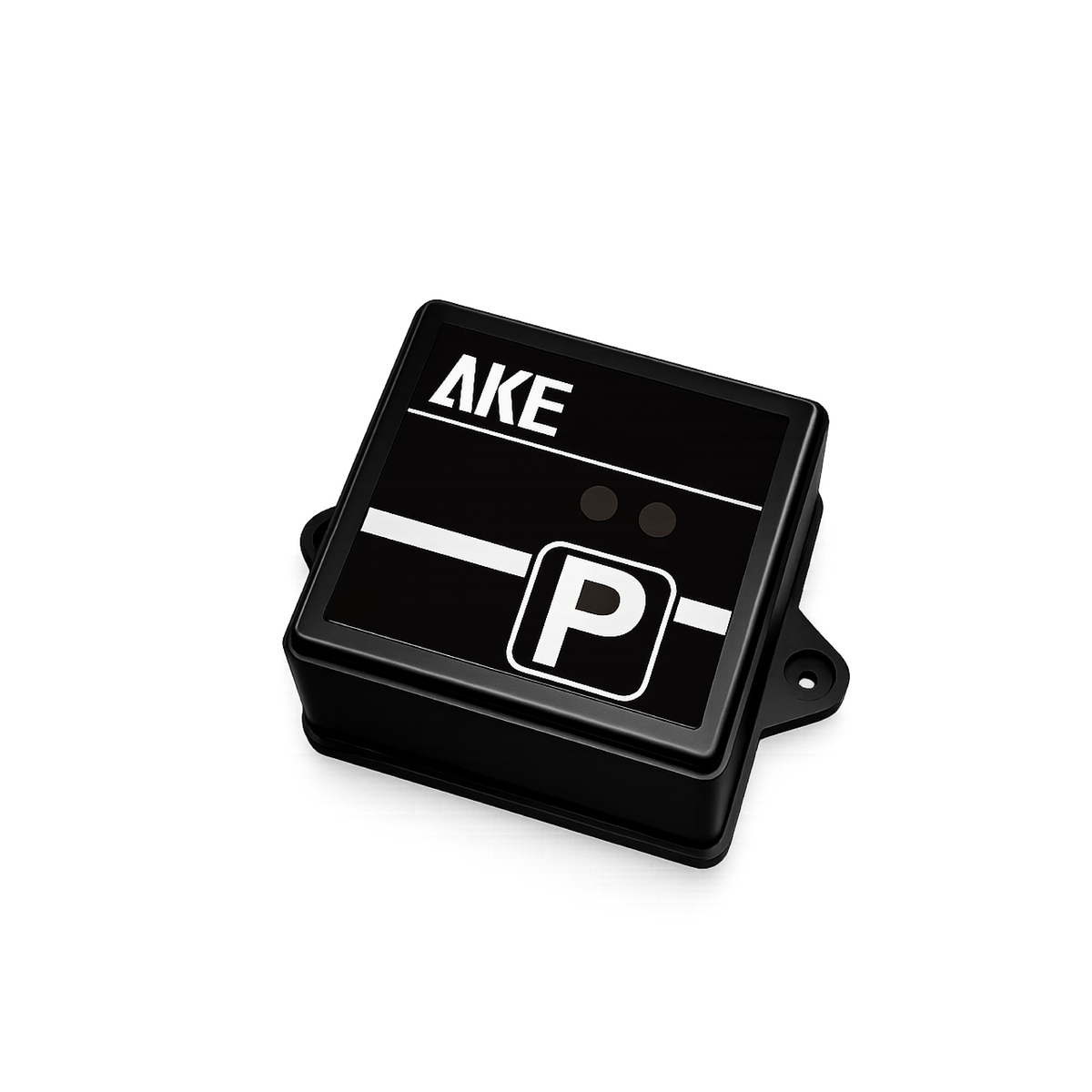
Run these simple tests: 1) Session flows — book, arrive, park, leave — end-to-end on mobile and kiosk. 2) Sensor honesty — compare reported occupancy to 30 random manual checks over a week. 3) Payment reconciliation — force a decline and watch rollback handling. 4) Offline behavior — cut the network and see how local caches behave. If any step stumbles, don’t accept niceties. You want concrete logs, timestamps, and a clear retry policy.
Data & performance numbers to demand
Ask for SLA numbers and validate them: mean time to recovery (MTTR), API latency percentiles (p95 and p99), and false-positive rates for occupancy detection. Vendors tossing only averages? Push for distribution numbers. Get sample logs for a 24-hour peak and a quiet window. Compare response times between regions if you operate across cities; sensors and edge gateways can shift behavior by geography.
Common traps operators fall into
Folks over-trust the dashboard. Dashboards show curated wins, not raw failure modes. Don’t buy a system because it has flashy heatmaps. Beware vendor lock-in: check export formats and open APIs. Ignore privacy and you’ll bite back with regulation headaches — know how session data is stored and for how long. Skipping realistic load tests is another rookie move; simulate rush-hour before you go live.
How to compare vendors fast
Score vendors on three things: transparency, recoverability, and integration. Transparency: can they give you real-sample logs and error traces? Recoverability: how do they handle partial failures, like gateway drops or payment timeouts? Integration: do they ship a documented API and webhooks you can play with, or do you get a black-box SDK? Rank each on a simple 1–10 and weight by what hurts you most — lost revenue, angry users, or legal exposure.
Final beat — wrap it up
Pick systems you can pressure-test. Run pilots during peak days, demand raw metrics, and force failure modes until the vendor proves recovery. If you want a no-nonsense reference that matches those standards, AKE Parking sits in the convo with real deployments and the kinds of diagnostics you’ll actually use. Keep it tight, test heavy, and pick what holds up when the lot fills and the app is your lifeline.

