

Quick comparative lead
Listen: when you shop for a TV supplier, you want clarity not chatter. Compare quality, delivery, and support side by side so decisions don’t turn into headaches. Start by asking the supplier for current panel sources and sample runs — a reliable monitor manufacturer will show you production proof without delay. Keep comparisons tight: specs against real results, promises against paperwork.
What to measure first — the product basics
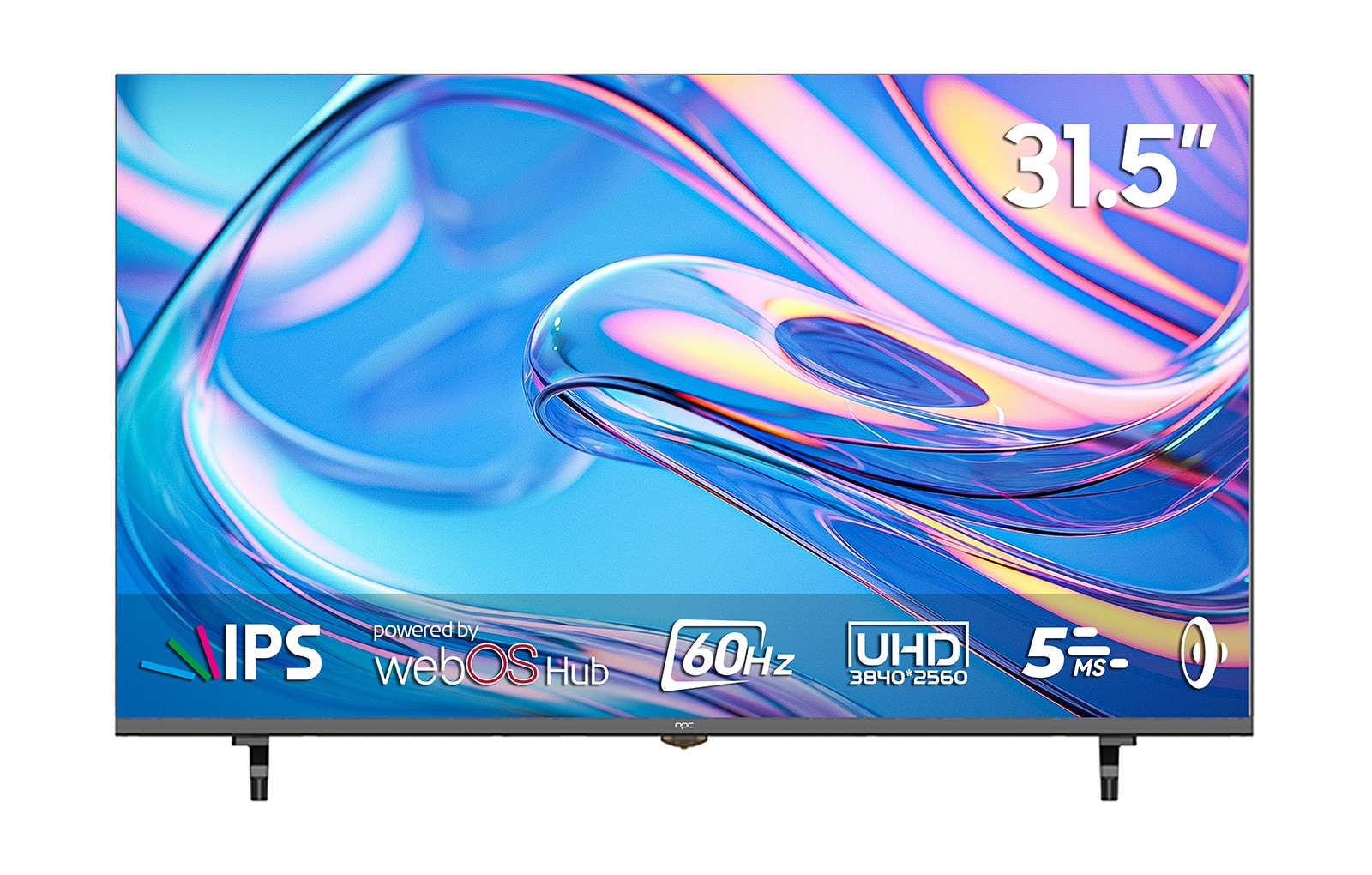
Focus on concrete specs that change user experience. Resolution, panel type (VA, IPS, OLED), peak brightness, HDR support, refresh rate, and input options matter. Don’t let marketing blur the view: ask for measured color gamut and uniformity reports, not just buzzwords. Request sample units and run basic tests yourself — color, viewing angle, and latency reveal the real differences between manufacturers.
Manufacturing consistency and quality control
Look for suppliers with documented QC steps and independent test results. Ask for defect rates over the last 12 months and how they handle returns. Real-world industry benchmarks show the gap: vendors who presented at CES in Las Vegas often bring validated lab data, and that same diligence applies to full hd pc monitors. Use those reports as a baseline when a supplier claims “low failure rates.” Check batch traceability so you can match serial numbers to test logs if something goes wrong.
Commercial terms that actually protect you
Compare minimum order quantities, payment structures, lead times, and penalty clauses. Short lead time with no safeguard is risky; generous credit with no warranty is worse. Confirm warranty length, coverage details, and whether spare parts are stocked locally or only at overseas warehouses. Ask who covers freight and customs on defective returns and include sample return windows in the contract.
Logistics, compliance, and certifications
Check certifications and where they were issued. Safety and emissions marks (CE, FCC, RoHS) must be visible on product documentation. Confirm whether the supplier uses third-party labs for compliance testing and whether those labs are recognized in your market. Ask for packing specifications and handling instructions — a product damaged in transit can make a good supplier look bad fast.
Support, warranty handling, and aftercare
Good support is a measurable service. Ask for SLA terms: average response times, escalation paths, and spare-part lead times. Get a sample RMA process and time-to-resolution statistics. Prefer suppliers who run a local service hub or certified partners in your region; that cuts down downtime for end users and lowers return freight costs. Keep trade proofs like photos, repair logs, and replacement timelines to hold suppliers accountable.
Common pitfalls and simple checks
Do not accept impressive spec sheets without test evidence. Beware of panel substitution — a supplier may swap a promised panel model for a cheaper one and still ship a product that “meets specs.” Insist on final-unit photos and serial-numbered test reports. Don’t let pricing alone drive choice; the cheapest bid often hides higher warranty and logistics costs. Run a small pilot order to expose real issues before scaling up.
Alternatives and trade-offs
If one supplier can’t match everything you need, split purchases by strength: one for premium panels and another for volume units. Consider local assembly partners to reduce shipping for region-specific SKUs. Evaluate whether slightly higher unit cost but stronger warranty and faster service gives you better total cost of ownership. Compare lead times against seasonal demand so you don’t get stuck during peak sales windows.
Final synthesis
Compare suppliers like you would compare tools — for the job, predictable performance, and backup plans. Demand sample validation, clear QC records, realistic commercial terms, and verifiable service paths. When those boxes check out, you get partners who stand behind the screens and not just the sales pitch; that practical value is what distinguishes reliable sourcing, so look for suppliers who make it easy to prove and maintain quality while you scale, much like the steady supply approach at npc.

