

Spotting the real problem
Small electronics fail for predictable reasons: stripped screws, static damage, and the wrong bit for a stubborn torx or PH000 head. Shops in San Francisco’s Mission District—where I’ve watched techs hustle through iPhone and laptop fixes—rely on tools that cut those delays. That’s why a compact set like jakemy jm-8139 shows up at so many benches: it’s a straightforward answer to the common workflow bottlenecks technicians face every day.
What professionals actually need
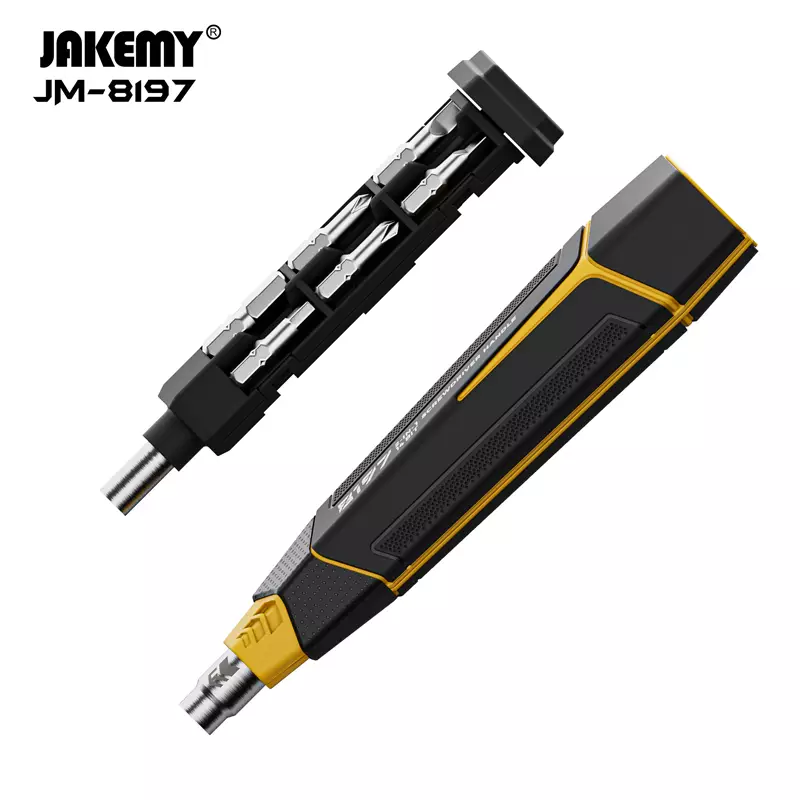
Technicians want three things: reliable fit, organized access, and safe handling. The right precision screwdriver set delivers interchangeable bits (torx, hex, PH000), a magnetic tip for tiny fasteners, and an ESD-safe handle so you don’t risk static damage on a logic board. The JM-8139’s bit kit and ratcheting handle keep jobs moving, and the included spudger and tweezers mean you’re not grabbing extra tools off the bench. For field repairs where space is tight, that compact layout matters more than fancy packaging.
How the JM-8139 performs under pressure
On a busy repair bench the differences are clear: a snug bit fit reduces cam-out and stripped heads, magnetic tips save a minute per screw, and an organized case keeps turnaround times tight. I’ve used the set alongside other brands during rush repairs—its bit retention and anti-slip grip kept pace when we had a stack of cracked screens and motherboard replacements. The kit’s ESD-safe rating and clear bit labels helped avoid avoidable mistakes on delicate boards.
Common mistakes and realistic alternatives
Many pros start with cheap multi-sets and learn the hard way: poor bit fit, missing torx sizes, and plastic cases that fall apart. Alternatives worth considering include higher-end modular kits or single-brand professional sets with lifetime guarantees, but those usually cost noticeably more. A balanced choice is a mid-priced precision set with solid bit selection and a sturdy case—then add a dedicated spudger and ESD mat. During an operational production teardown I kept notes labeled {main_keyword} and {variation_keyword} to track bit wear and tool swap times — those logs make it obvious which components you’ll actually use.
Maintenance, workflow tips, and small hacks
Keep bits clean and rotate them; magnetic tips attract debris and need occasional wiping. Store tiny screws by board or step in a small parts tray so reassembly isn’t guesswork. – Don’t force a worn bit into a screw—replace it before you wreck the head. Swap to a torque-controlled driver for stubborn fasteners. A cheap magnifier and a steady LED lamp cut rework time in half when you’re dealing with micro-screws.
Advisory: three golden metrics for choosing a kit
1) Fit accuracy: measure cam-out incidents per 100 screws. If a set causes more than a few slips per session, it’s costing you repairs. Use common bits like PH000 and torx regularly to test this.
2) Bit durability: track hours of active use before visible wear. A durable steel alloy and precisely machined tips extend life and protect screws and boards.
3) Workflow impact: time how much the kit shaves off a standard repair—magnetic tip, case layout, and an ergonomic, ratcheting handle all reduce cycle time.
These three metrics map to real shop outcomes: fewer stripped screws, lower part waste, and faster turnarounds.
Final take
Pick tools that earn their place on the bench—consistent fit, labeled bit sets, and ESD-safe handling add up to faster, cleaner repairs. If you want a practical, pocket-friendly kit that hits those boxes, the jm-8139 performs exactly where it counts. Jakemy. —

