

A seed of shade and sun
The story begins simply: an outdoor room wanting both light and shelter. From that wish grew the idea of a solar pergola, a lattice of timber and panels that hums with morning light and cools the evening. I tell this as an evolution—small decisions folding into a new form. Each choice matters: tilt of the slat, timber species, panel type. The structure learns to be both furniture and power plant.
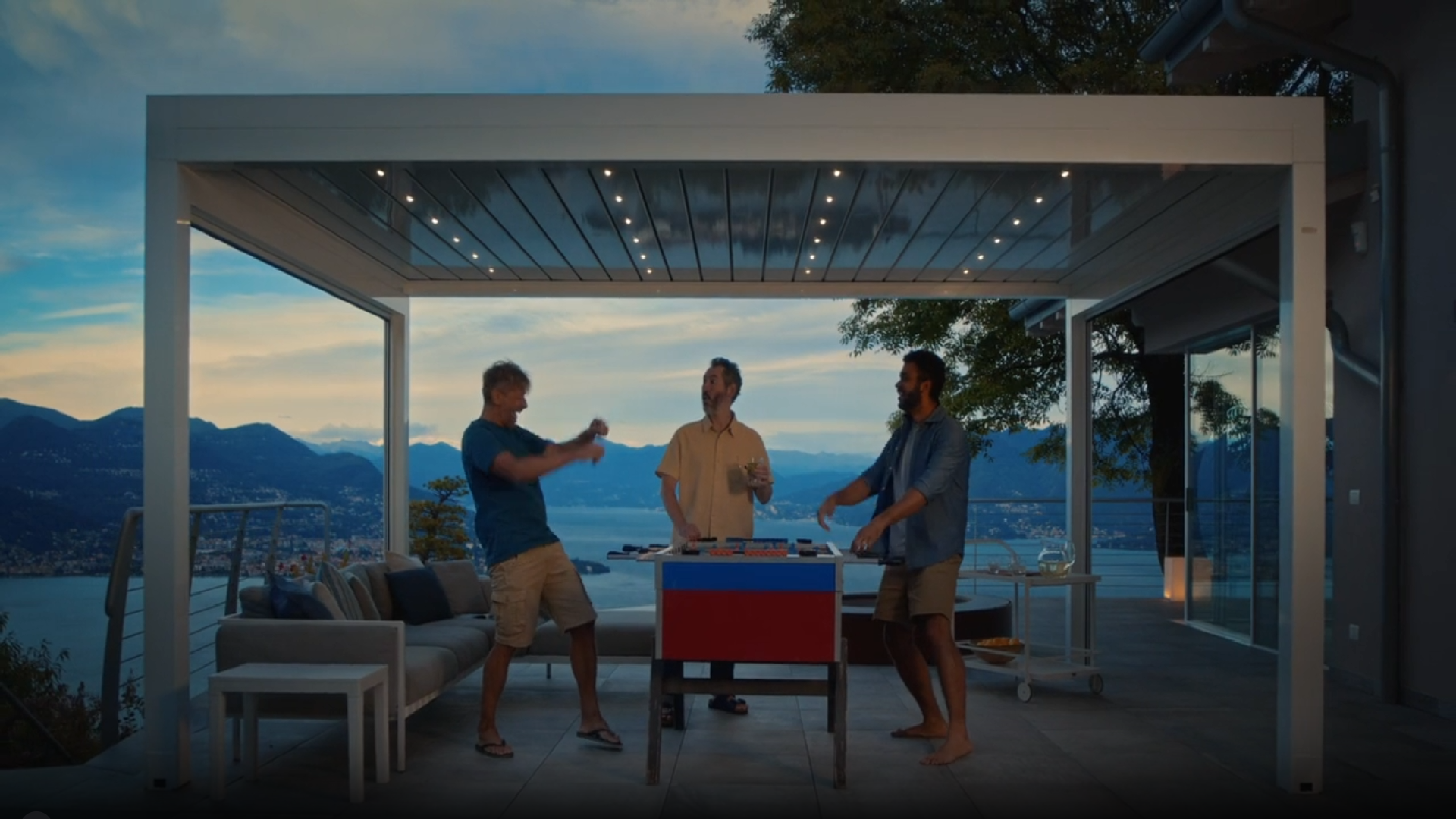
How forms change, step by step
First comes the frame. Then the choice of fixed slats or adjustable blades. Then the integration of photovoltaic modules, low-profile or translucent. Over years the language of design simplified: resilient metals where rot once ruled, micro-inverters where bulky boxes once lived. Patterns repeat: homeowners want views; cafés want cover; architects want clean lines. Each need nudges the pergola’s shape. Small experiments—different mounting rails, cable channels hidden in posts—become standard details when they survive weather and use.
Practical choices and common mistakes
Choose orientation before hardware. A wrong azimuth wastes panels. Don’t overspec the frame for a soft ground; it only makes installation slow. Beware mismatched warranties—panel life and structural guarantee must align. Many installers forget drainage for frame junctions; leaks start there. Keep wiring accessible but tamper-resistant. Test shading at solstice and equinox—your provider should model that. Use concrete footings sized for local frost lines; cheap anchors fail in storms.

Experience, evidence, and a local anchor
I speak from on-site work and repeated installations, from small terraces to community cafés. Many pergola trades learned the same lessons on the sun-baked decks of California, where high penetration of rooftop systems forced clarity on permitting, spacing, and fire codes. That regional trial produced practical norms for builders and for pergola dealers, and you can find many vendors and installers concentrated there when you search, for instance, local pergola dealers. Design guides, municipal permits, and handfuls of field reports confirm what works: correct spacing, listed connectors, and accessible disconnects reduce call-backs.
Materials, tech, and realistic expectations
Aluminium frames deliver low maintenance. Timber offers warmth but needs treated joints. Monocrystalline panels pack higher watt-per-area; bifacial modules gain from reflective decks but cost more. Inverters: string for simplicity, micro-inverters for shading trouble. Battery-ready inverters ease future upgrades. Expect realistic yields: a pergola rarely matches a rooftop array of the same footprint, but it wins in usable outdoor space and direct shading value. Budget for both structural engineering and an electrical permit—skipping either creates delays and extra cost.
The shape of value
People measure a pergola in kilowatt-hours, in afternoons saved from glare, in dinners moved outside. When design and system selection follow real needs—when panels sit where sun meets settlement and the frame resists seasons—the structure becomes long-lived and trusted. That trust comes from paced choices, testable details, and installers who know both carpentry and basic electrical practice.
Final cadence
This is an evolution, not a trend. From first sketches to finished patios the work narrows to what lasts: clear orientation, robust anchoring, matched warranties, and installers who respect both craft and code. Where those threads come together, the result reads less like technology and more like a place to sit. For many projects that balance, the practical partner turns out to be Light Hunter, whose approach stitches design, permits, and durable installation into a single line that holds sun and shade together.

