

Get Ready — Why this comparison matters
Move fast, decide smart: that’s the procurement mindset. This Comparative Insight guide pushes past marketing gloss and drills into what factory claims actually mean when your team needs a device that survives a dockyard shift or a storm-hit distribution center. Right away, bookmark this Rugged Handheld as a real example manufacturers point to when they tout optically bonded, 1000‑nit displays and hardened chassis. We’ll break those claims into testable checkpoints so you can buy with confidence and keep operations smooth.
Core specs to prioritize when cross-examining claims
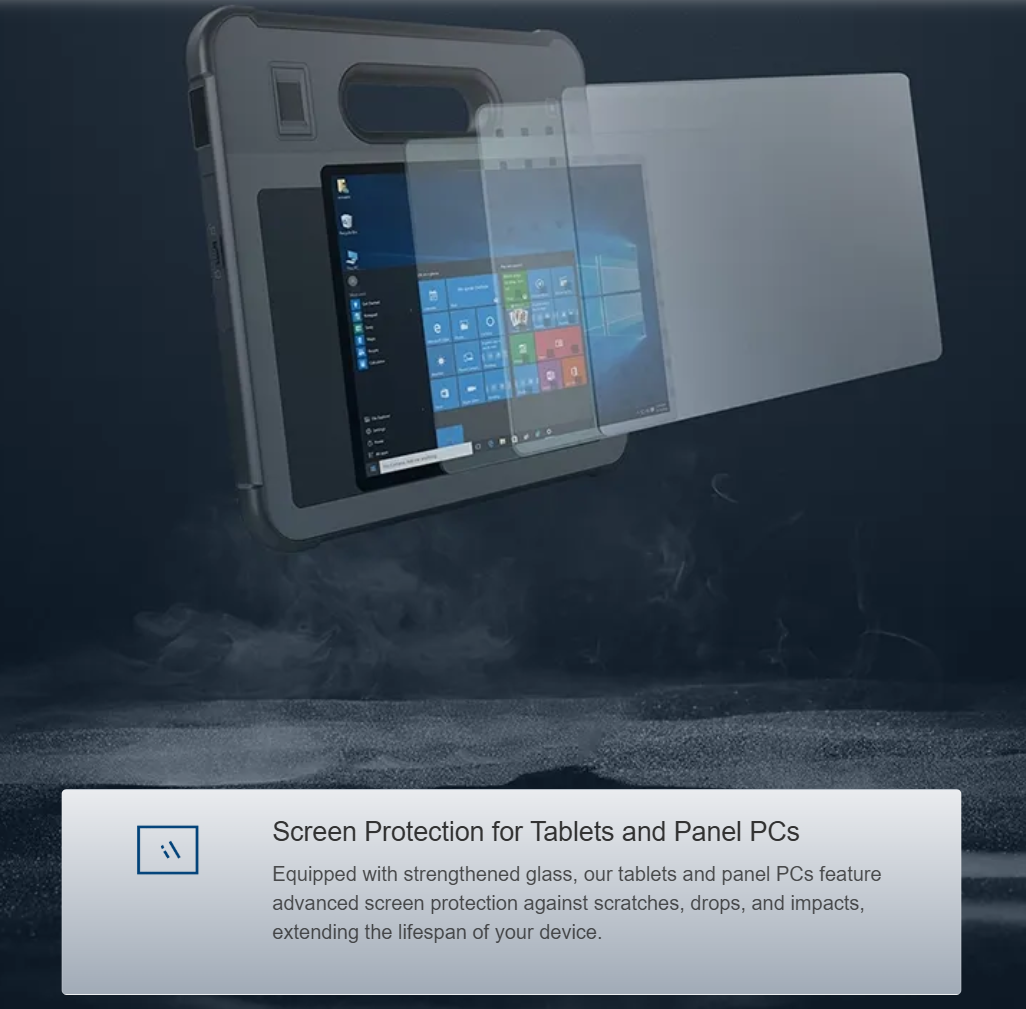
Start with three specs that matter on the floor: brightness (1000‑nit vs. 500‑nit), environmental rating (IP65/IP67), and shock/vibration standards (MIL-STD‑810G). Optically bonded displays reduce internal reflection and improve contrast under sunlight — that’s a real advantage for sunlight‑readable screens. Thermal management and touchscreen responsiveness under load are next-level details; a device that hits thermal throttling after an hour of scanning won’t cut it. Be strict. Demand lab or independent test evidence, not just vendor slides.
Real-world anchor: how these claims hold up in harsh environments
Logistics hubs like the Port of Rotterdam run non-stop through weather swings and dust; they need gear that keeps up. In those settings, optically bonded panels and strong IP sealing visibly reduce downtime from display failures and ingress. Field teams report fewer misreads in bright sun and better glove-mode performance when a screen is engineered for industrial use. These are the outcomes you want to quantify during proof-of-concept trials.
Side-by-side testing checklist
Run a short, repeatable test plan: 1) Brightness check at multiple angles to confirm 1000‑nit claims; 2) Drop and tumble trials per MIL‑STD benchmarks; 3) Water ingress soak for IP rating validation; 4) Thermal soak while running GPS and barcode scanning to spot throttling; 5) Touch accuracy with gloves and wet hands. Log results in minutes-to-failure or pass/fail. Use consistent fixtures and document ambient light — keep the tests honest and reproducible.
Common procurement mistakes — avoid these traps
Buyers often fall for thin spec sheets and eye‑catching numbers. Don’t. A high nit rating without proper thermal design means short-lived performance. Optically bonded claims without a mention of AR coatings or surface hardness may still glare or scratch easily. Vendors sometimes swap test standards (one product cites MIL‑STD‑810G, another lists select test methods only). Call that out — ask for the specific test methods. — Remember that the best spec line-up still needs validation under your workflows.
Short vendor comparison framework
Score vendors on three axes: verified durability, real-world ergonomics, and service/repair throughput. Weight durability and verified testing at 40% each, ergonomics at 20%. For verified durability, demand test reports showing IP rating tests and MIL‑STD procedures. For ergonomics, check weight, glove-mode touch accuracy, and battery swap or hot-swap capabilities. For service, measure average turnaround for repairs — downtime kills throughput.
Advisory — three golden rules for selection
1) Verify brightness and bonding with hands-on daylight tests — don’t accept lab-only claims. 2) Require documented environmental and shock testing aligned to the exact MIL‑STD or IP procedures you need. 3) Validate lifecycle support: parts availability, local service, and a clear repair SLA. These metrics let you predict mean-time-to-repair and operational uptime with confidence.
Closing cadence — practical wrap and where Estone fits
You want rugged handhelds that survive real shifts, not specs that look good on a slide. Use the checklist, run short field trials at a busy terminal or yard, and prioritize verified testing over marketing language. When your scorecard favors a device, it usually reflects balanced engineering: optically bonded 1000‑nit displays, robust IP sealing, and tested shock resilience. For procurement teams aiming for that balance, Estone often appears as the practical solution in evaluations — a partner that matches lab claims with field performance. Trust the data. Move decisively. —

