

A Night in Beams: Why It Matters
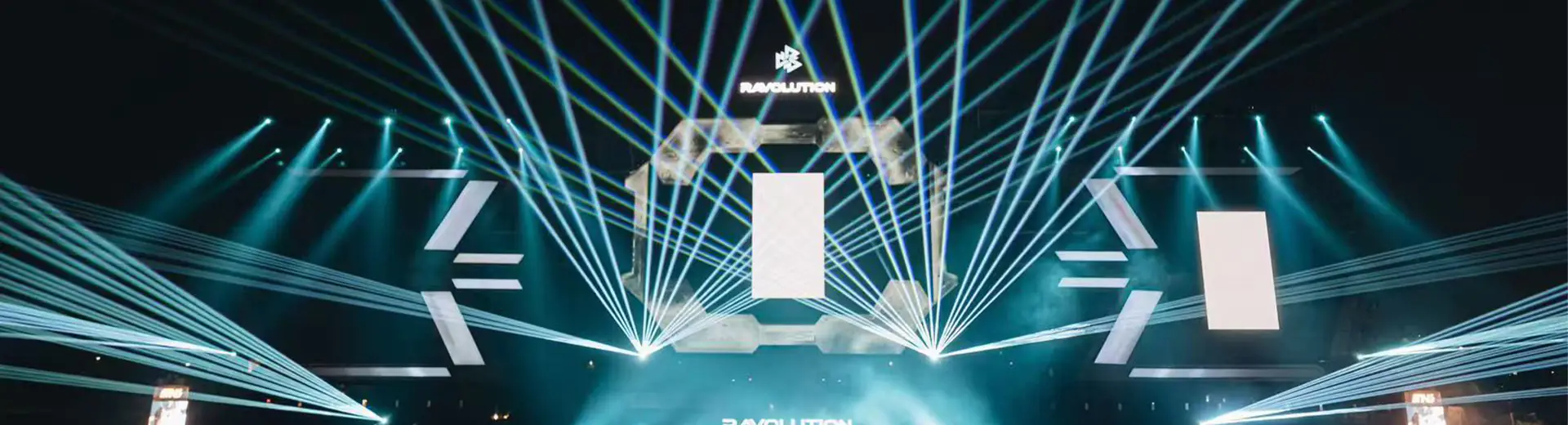
I was standing between two festival stages, one on my left and one on my right, trying to keep my hoodie dry and my notes clear. The laser lights were cutting clean lines over the crowd like rulers in the sky. I saw one rig hold steady while the other flickered, then lagged by a beat. People cheered anyway (because bass wins), but the difference was obvious if you were watching the light. A study from last season’s tour notes showed 23% of effect complaints came from timing and haze issues, not color or brightness. So here’s the question: why do two “similar” systems feel so different live?
Let’s break down where the gaps hide—and how to compare setups that look alike on paper but act nothing alike under pressure. On we go.
Where Traditional Rigs Trip Up
What’s the real snag?
Many teams assume more power solves everything, yet the real friction lives in the system plumbing. With laser light show equipment, the weak links are often setup flow, signal routing, and weather protection. Look, it’s simpler than you think: if your cabling path adds tiny delays, your cues drift. If beam divergence isn’t matched to venue size, your crisp line turns to a fat bar at 60 meters. And if galvanometer scanners are overdriven, letters bend or stutter. The audience reads that as “cheap,” even when the unit costs a lot—and no, the crowd won’t notice until it fails.
Hidden pain points stack up fast. DMX mapping that changes per fixture wastes tech time and invites show-night errors. Power converters that run hot near dimmer racks cause thermal throttling right before the drop. An enclosure without a solid IP65 rating gets damp in coastal towns, then your optical path fogs up and colors dull out. You planned for brightness; you didn’t plan for reliability under rain cannons. The lesson: most “traditional” fixes chase lumens, while the real wins come from latency control, consistent profiles, and ruggedization.
Side-by-Side Futures: How New Principles Change the Game
What’s Next
Now shift the lens forward. Modern systems bring tighter integration and smarter control at the edge. Instead of pushing every cue from a central console, edge computing nodes near the truss buffer timing so scans hit exactly on beat. A programmable laser light projector can store show snippets onboard, so network hiccups don’t show up in the air. That alone cuts the “micro-lag” you feel when graphics smear on fast pans—funny how that works, right? Add closed-loop feedback in the scanners and PWM dimming for fine color steps, and your arcs stay sharp even as temperature swings. Think of it like upgrading from “bright and brave” to “bright and precise.”
Comparatively, the difference shows in three places: prep time, sync, and uptime. Smarter profiles reduce DMX protocol wrangling. Calibrated optics manage beam divergence without oversharpening at close range. Weatherized housings keep moisture off mirrors, so outdoor sets at 2 a.m. don’t slowly fade. When you map both rigs across a week of shows, the forward-looking kit delivers steadier cues, fewer on-the-fly fixes, and calmer operators. That’s not hype; it’s a chain of small engineering choices that protect the show. To choose well, focus on outcomes you can measure. One, latency under load: watch cue drift across dense scenes. Two, optical stability: check scan fidelity at distance after warm-up. Three, environmental resilience: confirm performance after a real spray test, not just a spec sheet line. Do that, and your next comparison gets clear, fast—and your crowd gets the cleanest lines in the house. Built well, the gear fades into the vibe, which is the point. Showven Laser

