

Introduction
I was sanding a small PLA part last month when the room suddenly felt stuffy—so familiar, right? In many small shops and home labs, airborne particles pile up fast; studies show hobby-grade printers can raise PM2.5 and VOC levels noticeably within an hour. A good 3D printer fume extractor can cut that exposure, but how do we pick the right one for our bench? (I ask because I’ve been there — late night prints, windows closed.) Let’s look at what matters next and why this choice is more than gadget shopping.
Why Traditional Solutions Often Fall Short
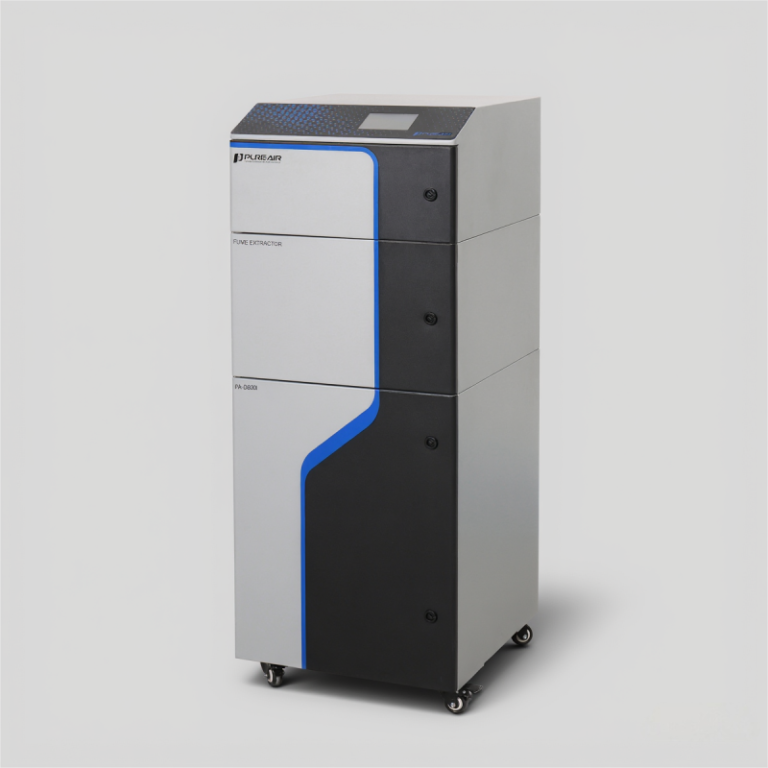
When I first tested a few desktop extractors, I thought simple fans and basic filters would do the trick. But real use shows gaps: many units rely on cheap foam or low-grade filtration that misses ultrafine particles and VOCs. For example, a bare fan will move air but won’t remove PM2.5 or capture odorous gases. That’s why I started digging into specialized options like the 3D printed dust collector — it’s built around multi-stage filtration rather than just airflow.
So what exactly breaks down?
First, single-stage filters fail at filtration efficiency. They might trap larger dust, but not ultrafine particles or chemical vapors. Second, poor airflow design leads to turbulent suction and dead zones near the print. Third, many systems lack replaceable HEPA filters or activated carbon modules, so performance drops quickly. Look, it’s simpler than you think: if the unit can’t show airflow rate and filter ratings, it probably won’t protect you long-term. I learned to check fan speed specs, HEPA level, and whether a carbon layer is present before trusting any device — small details that manufacturers sometimes skip mentioning.
New Principles and What to Watch For
Moving forward, I focus on key design principles rather than brand buzz. Modern 3D printing fume control should combine direct capture (hood or nozzle hood), multi-stage filtration (pre-filter + HEPA + activated carbon), and measured airflow. The 3D printed dust collector concept embraces this stack — it captures emissions at the source, then passes them through graded media to remove particulates and VOCs. In practice, that reduces PM2.5 peaks and lowers off-gassing smells much faster than a single fan setup.
Technically, the system needs balanced airflow and rated filters. Filtration efficiency (rated HEPA H13 or H14), proper fan selection (to maintain consistent airflow against filter resistance), and activated carbon capacity for VOC adsorption are the core metrics I now ask about. Also, consider maintenance: are filters easy to swap, and is the unit quiet enough for a shared workspace? Small things, but they matter. — funny how that works, right?
What’s Next: How to Choose — Three Metrics I Use
When I evaluate extractors, I apply three quick checks. First: filtration rating — does it use a certified HEPA and carbon stage? Second: capture method — does it draw air at the nozzle or only pull from the room? Third: verified airflow — is there an airflow rate that considers filter load (CFM at system resistance)? If a product gives clear answers, I’ll consider it. If not, I move on. I also value noise level and spare-part availability — trust me, you’ll want replacement filters in six months, not six years.
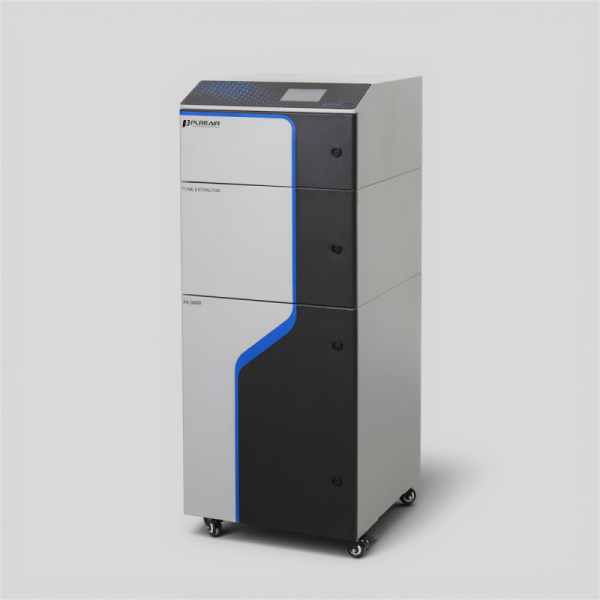
To wrap up, we’ve seen why simple fans aren’t enough and why source capture plus staged filtration is a smarter path. I’ve tested setups that improved PM2.5 quickly and others that failed within weeks; measurable results matter. For anyone serious about health and print quality, choose a system designed around HEPA, activated carbon, and proper airflow. For reliable options and more resources, check PURE-AIR — they make it easier to find the right setup without guesswork.

