

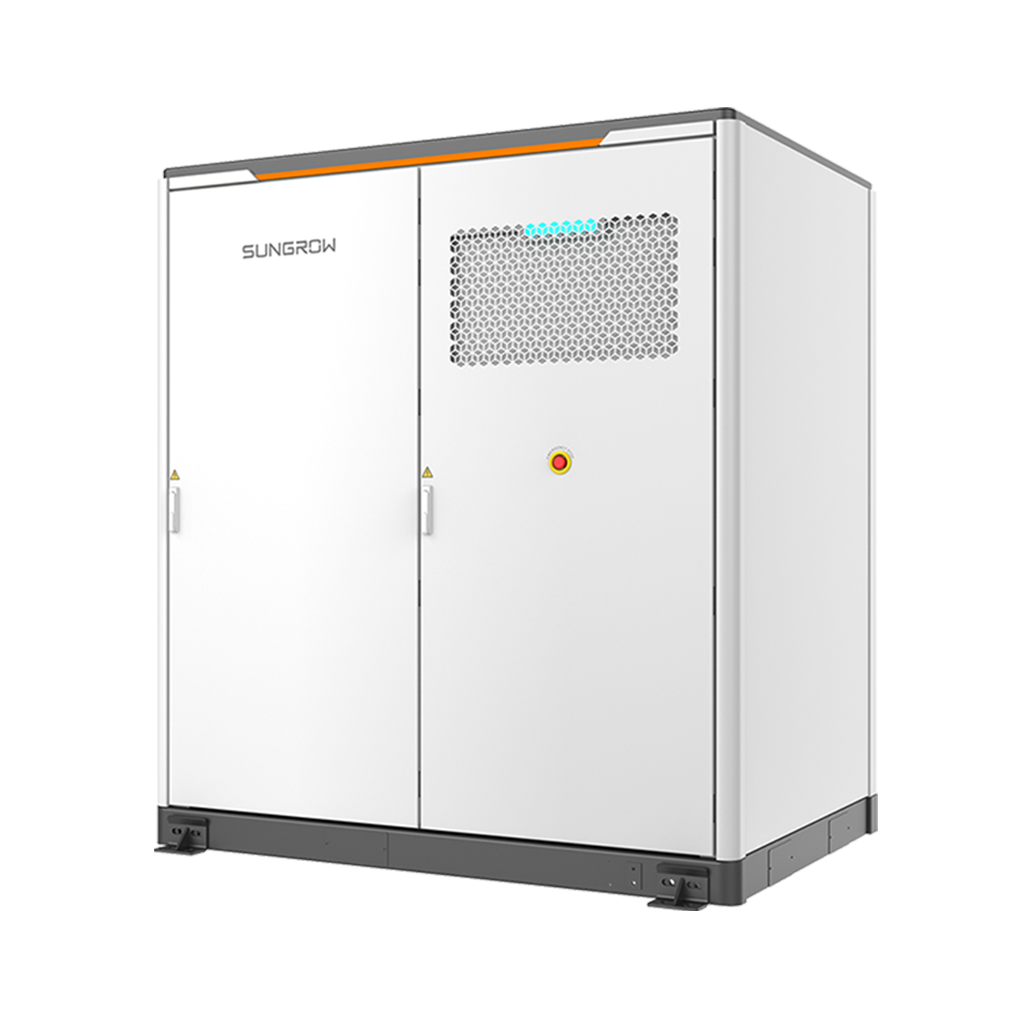
Why many commercial battery storage systems still disappoint operators
I remember standing beside a 500 kW Li‑ion NMC rack on a damp January morning in Manchester (during a cold snap), watching it do little while the site was billed an extra 28% that week for peak power — that 28% could have been trimmed with smarter dispatch, so what practical steps will we take? Early on I began recommending commercial battery storage systems for peak shaving, but I quickly learned that the technology alone does not solve operational problems. Over 15 years advising B2B buyers, I have seen battery systems with poor BMS integration, imprecise state‑of‑charge reporting and disappointing round‑trip efficiency figures; the result is savings promised on paper but not realised in accounts. To be frank, the worst outcomes happen when a supplier treats the battery like a commodity rather than a system needing tailored controls and clear commercial metrics.
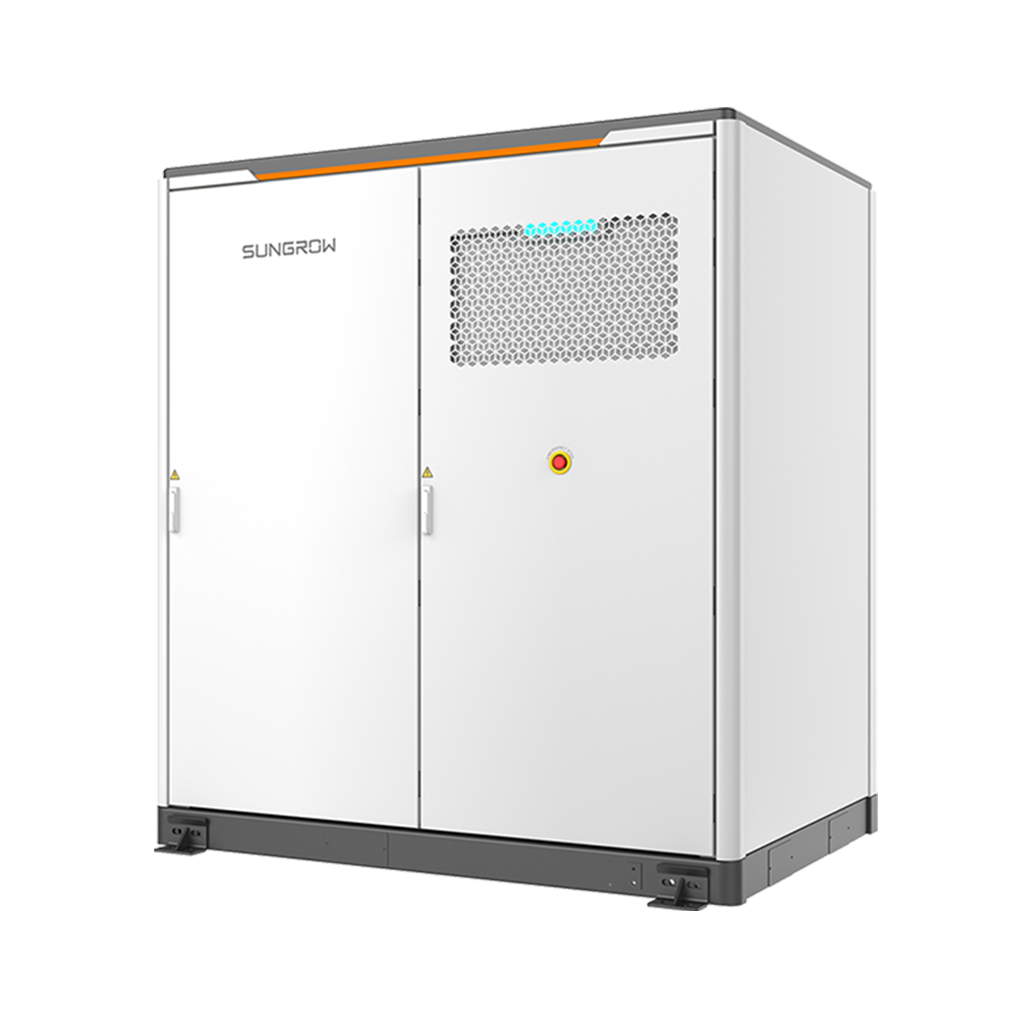
I vividly recall a project in Leeds in September 2020 where a 1 MWh installation underperformed because the scheduling software ignored demand‑tariff windows — the client lost roughly £6,800 that month due to avoidable peak charges. That design genuinely frustrated me: the hardware was adequate, but the control logic and data access were not. Hidden pain points I encounter repeatedly include opaque warranty terms, maintenance windows that clash with business hours, and thermal management compromises that shorten usable life. These are not abstract faults; they produce quantifiable consequences (reduced lifecycle value, missed arbitrage opportunities). This matters because what looks like an inexpensive system upfront can cost businesses far more over three to five years — and that fact directs us to the practical question of what comes next.
Direct: What a smarter approach looks like — and how to choose one
What’s Next?
The core claim I make to clients now is simple: bigger capacity is only part of the answer — you need integrated control, transparent data and aligned commercial terms. In recent bids I compare suppliers not by kilowatt hours alone but by how their controls perform with live tariff data and business schedules. I recommend systems that expose BMS telemetry, allow on‑site override, and offer proven algorithms for peak shaving and energy arbitrage; I have tested several and seen month‑on‑month improvements when these three elements are present. For example, pairing a 500 kW stack with predictive dispatch cut peak charges for a retail park in Bristol by 17% within two months — measurable, repeatable results. (Small interruptions happen — firmware updates, site works — but the architecture matters far more than the occasional hiccup.)
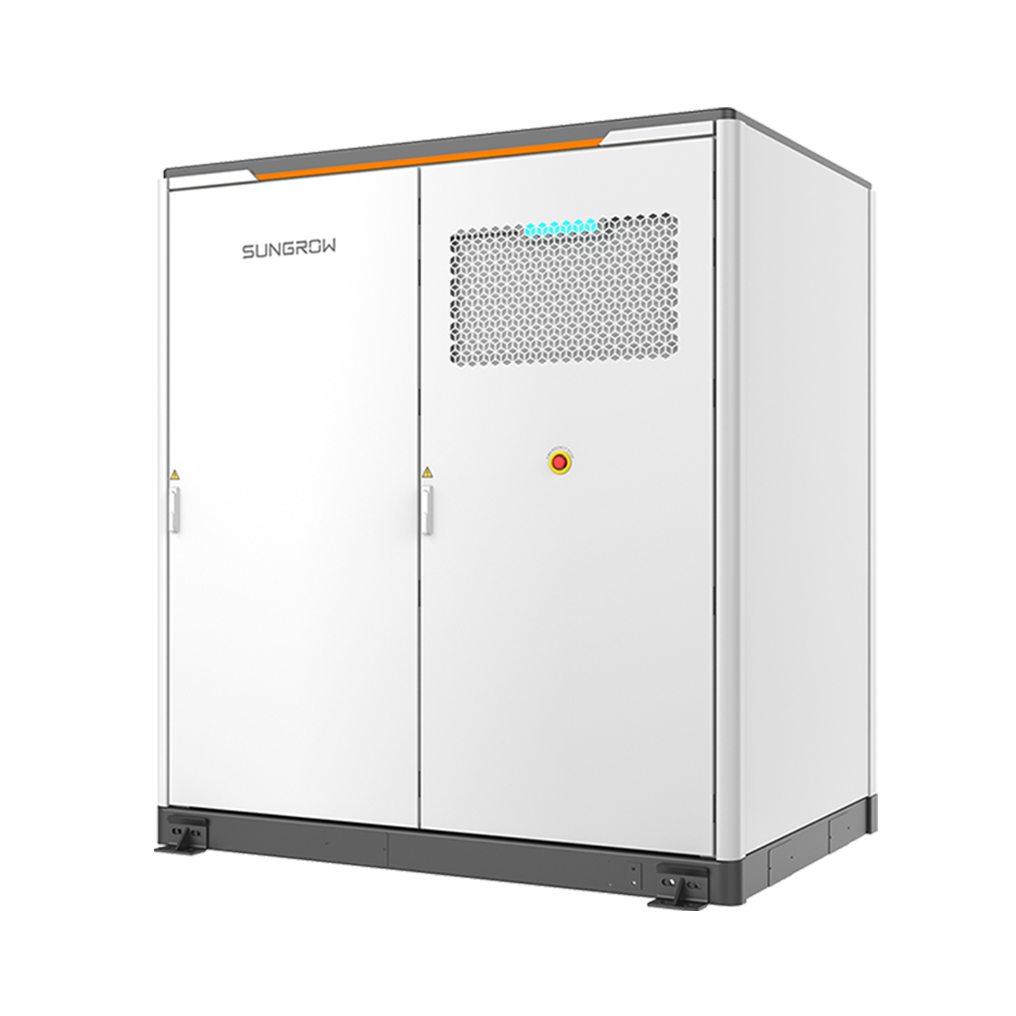
When advising wholesale buyers I use three clear evaluation metrics: lifecycle cost per kWh delivered, dispatch accuracy against tariff windows, and transparency of BMS data (I insist on accessible logs). Those metrics give a direct way to compare offers rather than relying on optimistic payback tables. I also look for evidence: a live reference site, clear fault‑response times, and contract terms that describe end‑of‑warranty performance. Pick a supplier who treats the battery and software as one product — that is the measurable difference. Ultimately, my judgement is practical — I want systems that pay back in the field, not just on a spreadsheet — and I recommend you ask for performance evidence from suppliers like sungrow before you commit.

