

Why comparison matters right now
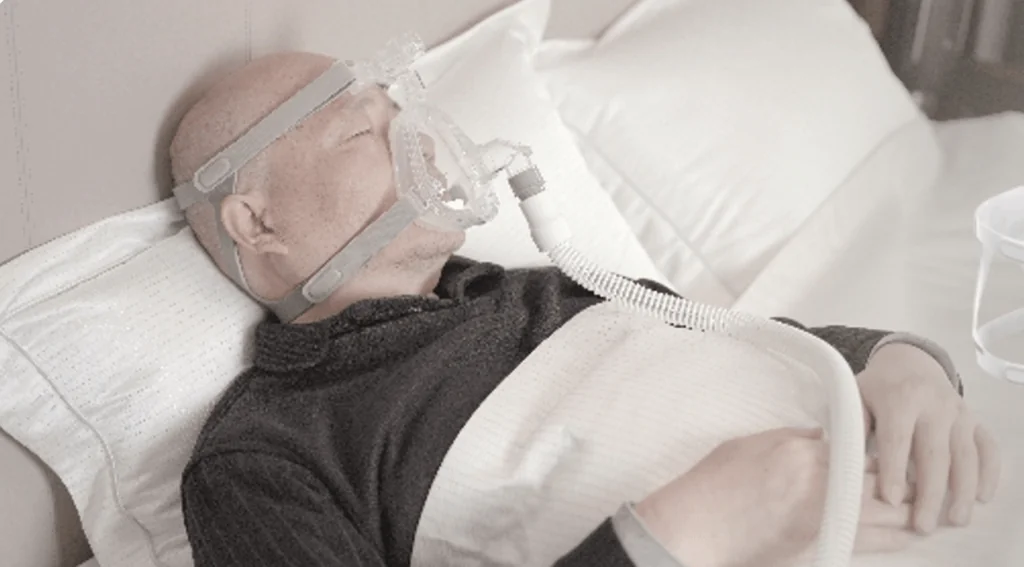
Buying a respiratory device shouldn’t feel like guesswork. With about 1 in 5 adults showing signs of mild obstructive sleep apnea and roughly 1 in 15 with moderate to severe forms, clinical outcomes hinge on the right hardware and support. Start simple: look beyond brand hype and at real performance — leak control, pressure titration accuracy, and reliable data logging. If you’re checking options online, also skim entries for a reliable cpap device that handles humidification well; that feature matters for adherence.
Quick comparison: what actually differs between suppliers
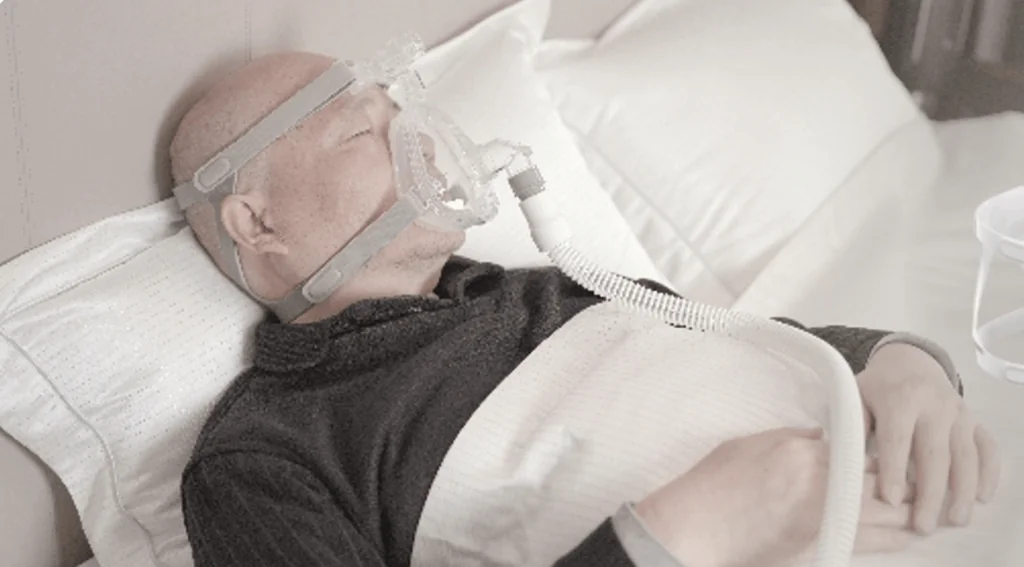
Most vendors claim “effective ventilation,” but the meaningful differences are in three buckets: device platform (auto-CPAP vs bi-level), mask interface ecosystem, and service footprint. Auto-CPAP algorithms vary in responsiveness; bi-level or BiPAP units offer independent inspiratory/expiratory pressures, which matters for patients needing higher support. Data telemetry and compliance reporting separate responsive suppliers from vendors who just ship boxes. Sleep centers and major hospitals use apnea-hypopnea index (AHI) and leak metrics — those are the objective measures to compare.

How Byond stacks up, plain and practical
Byond focuses on machines designed for home use with clinical-grade controls. Their platforms emphasize stable pressure delivery and straightforward pressure titration presets that respiratory therapists can trust. Service-wise, they pair hardware with remote monitoring and clear download formats, which helps clinicians interpret AHI trends without messy exports. For patients, the mask interface choices and integrated humidifier options reduce common adherence barriers — short-term discomfort often turns into long-term acceptance when the interface fits.
Real-world anchor: clinic practices that matter
Sleep labs at major centers routinely prioritize devices that provide clean event scoring and timestamped leak reports. Clinicians review those logs to decide whether to adjust EPAP/IPAP, change mask type, or move to a more aggressive mode. That workflow — used across reputable centers — is why device telemetry is a practical comparison point, not marketing fluff.
Alternatives and common mistakes buyers make
Many buyers hop to the cheapest unit or pick solely on brand recognition. That causes two predictable problems: mismatch between required support and device capability, and poor follow-up when troubleshooting is needed. Alternatives include established consumer brands and hospital-grade suppliers. For a user who needs nuanced pressure patterns, a bi-level device is better than a simple auto-CPAP. For those focused on comfort, prioritize mask interface variety and humidification control — and avoid assuming one mask fits all. Overspending on unused features or under-investing in service are both common missteps — balance matters.
Technical considerations that actually change outcomes
Pay attention to three technical points: leak compensation, ramp profiles, and how the device reports events. Leak compensation keeps therapeutic pressures stable when masks shift. Ramp profiles reduce initial discomfort and boost adherence. Event reporting must include AHI breakdowns and clear timestamps. These specifics help clinicians make decisions that cut down on wasted months of ineffective therapy — and they reduce emergency escalations for people requiring more support, say, during respiratory illness seasons.
3 golden rules for picking the right BiPAP solution
1) Prioritize objective data: choose devices that export readable AHI, leak, and usage hours without proprietary barriers. 2) Match mode to need: select bi-level for patients with higher ventilatory demand; use auto-CPAP when mild-to-moderate OSA is the main issue. 3) Confirm local service: ensure parts, mask options, and clinical support are available in your area — remote monitoring is good, but local expertise matters for fittings and replacements.
These metrics lead to measurable results: higher nightly use, more stable AHI reductions, and fewer follow-up visits for basic troubleshooting. The right device and vendor combo saves time and improves outcomes.
bipap medical choices should be evaluated against those rules — they turn vendor claims into operational realities.
Byond stands out because it aligns device performance with the clinical workflows that matter — clear reports, sensible pressure control, and a mask-plus-humidifier strategy that improves real-world adherence. —

