

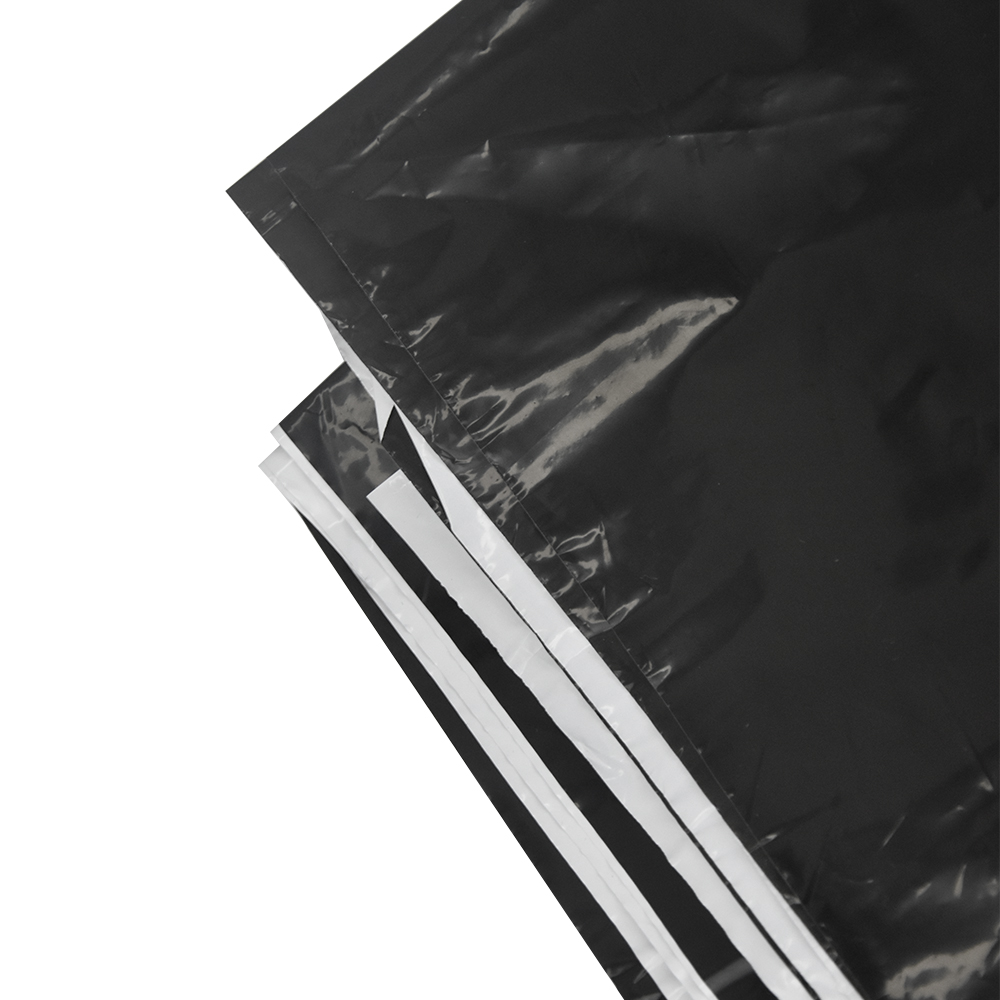
Why standard mulch films keep letting farmers down
I still remember the first morning I watched a test roll split across a tomato bed — the crew cursed, the crop shivered, and I felt it in my teeth. As a plastic film manufacturer who’s worked hand-in-glove with mulch film manufacturers across California and the Southeast, I’ve logged every tear and every warranty call. On a 40-acre tomato plot in Fresno in March 2018, a 15-micron LDPE film tore after a gust and yields dropped 7% (we measured it three weeks later) — what does that tell us about the materials we trust?

I’ll be blunt: the usual fixes — thicker films or more UV stabilizer — paper over deeper problems. In my 18 years buying and testing rolls at our Modesto line, I’ve seen gauge variation of ±10% from the same bobbin, blown film extrusion runs with poor bubble stability, and inconsistent dispersion of additives. Those are not theoretical faults; they translate to seam failures, poor soil contact, and extra labor to re-lay film (y’all, that’s expensive). Farmers notice the small things first: edge fraying, micro-perforations, patches that won’t seal. The root cause often sits upstream — die lip wear, inconsistent resin melt index, or uneven chill-roll cooling — and no one’s fixing that mid-season.
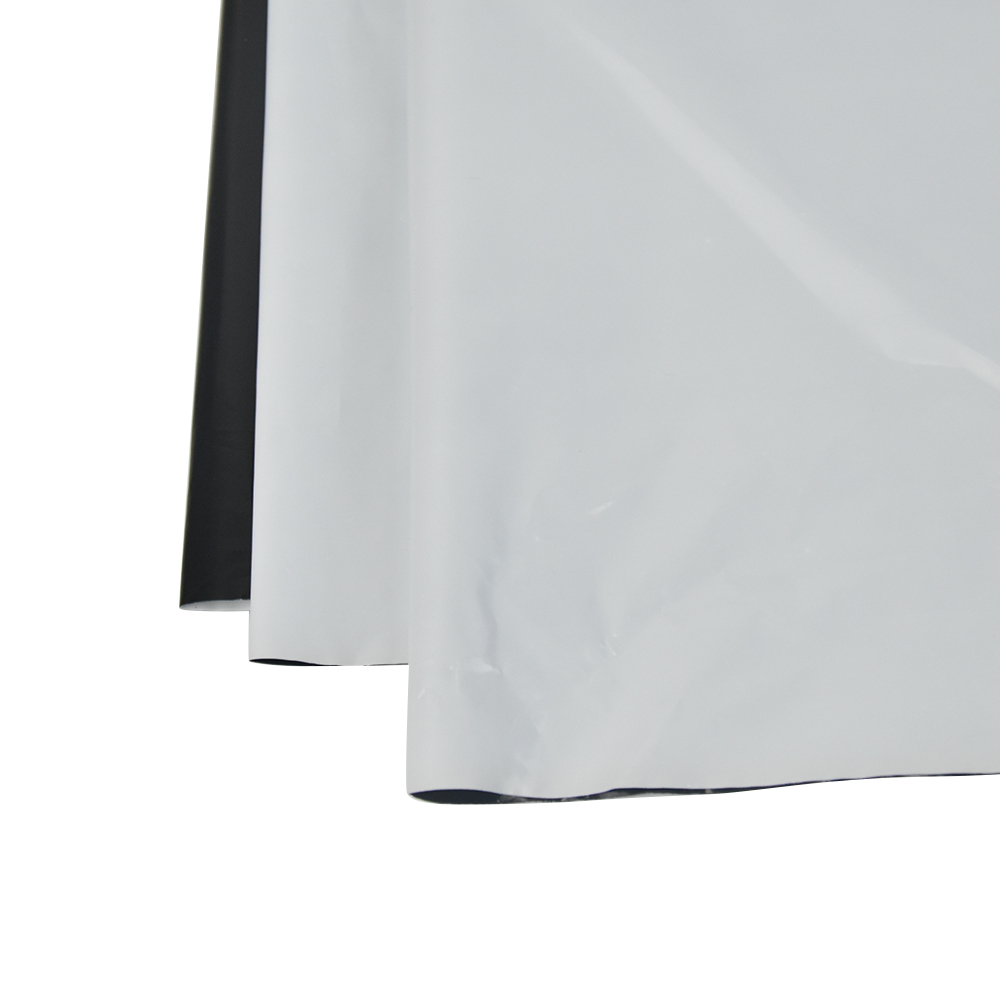
Where mulch film manufacturing should head next
Now let’s get technical for a minute. I’ve spent long nights watching tensile curves and UV-weathering charts — and the numbers point a clear way forward. Higher melt-strength resins, tighter control on blown film extrusion parameters, and inline thickness gauges reduce field failures. More importantly, validating batches with a simple tear-resistance test (ASTM D624-style) before shipping cuts real-world claims by measurable amounts — I saw a pilot in 2019 drop claims by 42% after adding one QC step. That’s not marketing; that’s math.
What’s Next?
Looking ahead, mulch film manufacturers that invest in real process controls and meaningful field validation win. Consider targeted multilayer films with a reinforced ridge, or switching select runs to co-extruded LDPE/linear low-density blends to balance stretch and puncture resistance. We’ve trialed a co-ex in March 2020 that held up under tractor traffic with a 2°C lower soil temperature swing and less film migration — small gains, big return. Short version: fix the process, not just the product. — and don’t skimp on incoming resin specs.
I’ll wrap up with something practical for wholesale buyers: three metrics I check every time before I sign a PO. First, gauge consistency (target ±3% across the roll) — that predicts sealing reliability. Second, tensile and tear data at the shipment temperature range (no guessing). Third, documented production controls — melt index limits, die maintenance logs, and in-line gauge records. Use those, and you’ll cut field headaches and warranty fuss. I learned that the hard way — twice — but now I won’t buy without the numbers. One last thing: trust proven partners; for me that’s been a straightforward choice. HGDN.

