

Problem-driven introduction: where small breaches become big hazards
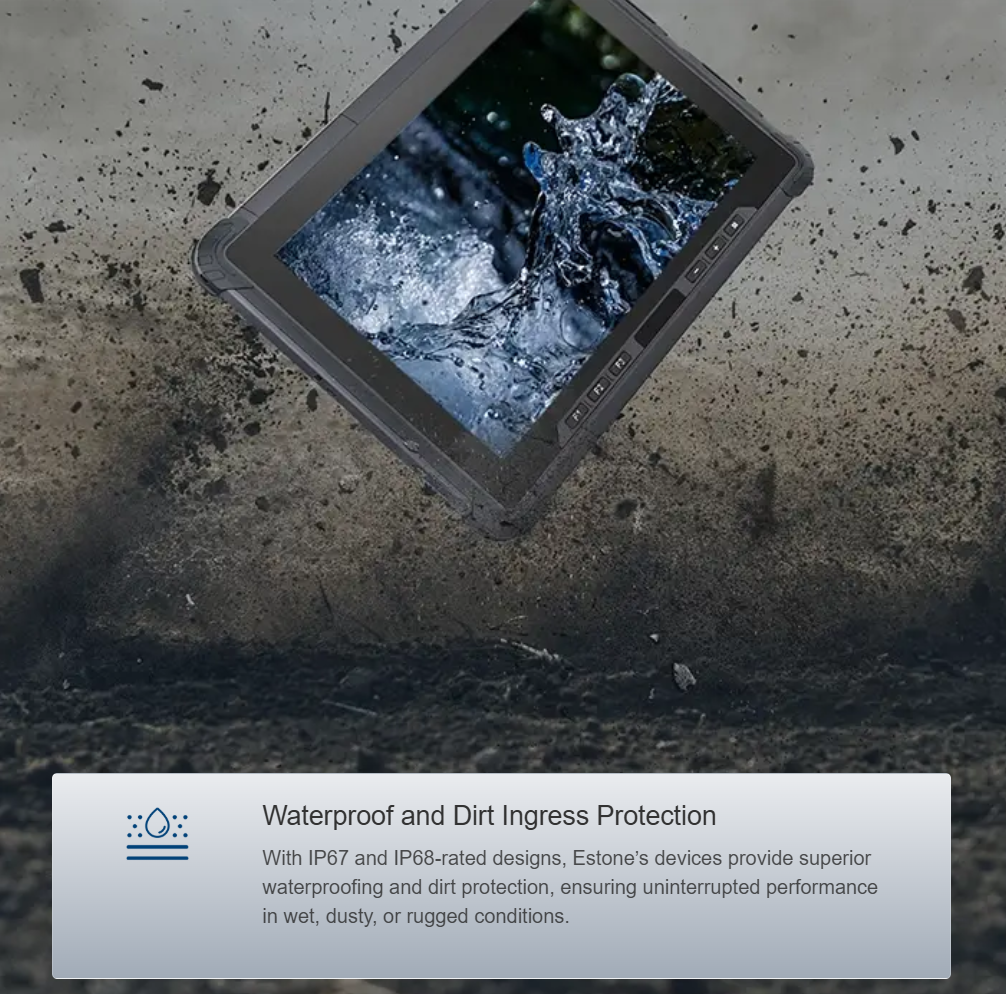
The risk is specific: water ingress or an ESD event that breaches protective guardrails on an NVIDIA Jetson board can trigger an arc flash or latent hardware failure in the field. Field teams have seen this pattern—sensors fail after a storm, boards short during maintenance, firmware recovery stalls—and those incidents often trace back to weak ingress protection and incomplete ESD isolation. For teams building with mobile consoles or data-collection rigs, considering a Rugged Handheld architecture from the outset changes the equation: integrated sealing, tested connectors, and proven EMI shielding cut the number of single-point failures in half on many deployments.
Why Jetson platforms need blended electrical and mechanical defenses
NVIDIA Jetson modules deliver edge AI where heat, dust, and moisture converge. But their performance depends on three domains: enclosure integrity, grounding and ESD isolation, and electrical fault containment. Industry terms matter here—ingress protection (IP ratings such as IP67), MIL-STD-810G shock/vibration resilience, and EMI shielding are not checkboxes; they’re interlocking controls. A spray-rated enclosure that lacks a vetted grounding scheme still leaves you open to arc flash during a transient surge. The solution must address enclosure seals, conductor routing, and suppression at the component level.
Practical controls: combine hardware, firmware, and test
Start with an enclosure rated to the expected environment. Use glands and connectors rated to the same IP class as the case. Add ESD isolation planes and common-mode choke devices on external I/O. Fuse and current-limit on Power-over-Ethernet, place gas discharge tubes where high-energy surges might enter, and consider conformal coating on populated boards exposed to humidity. On the software side, implement watchdog recovery paths and safe-mode boot to prevent latent faults from escalating into destructive arcing. Validate the design through MIL-STD-810G-style shock and vibration cycles and IP ingress testing—these are practical, measurable steps rather than theoretical protections.
Common mistakes in the field—and how to avoid them
Teams often make predictable errors: sealing ports but leaving cable assemblies unshielded, assuming ESD mats inside a service van suffice for field conditions, or ignoring thermal paths when adding conformal coatings. Another frequent misstep is treating arc flash solely as an electrical protection problem and not considering mechanical damage from repeated shock—both can expose internal conductors. A modest habit change reduces risks: standardize connector types, document grounding points, and log all field repairs. Dash—reserve custom cabling for prototypes and move to certified assemblies for production.
Choosing rugged platforms and what to test
When evaluating options, compare candidate devices across three practical axes: IP rating consistency across interfaces, documented ESD isolation methods, and integrated thermal management. Field reports from utility crews after Hurricane Sandy showed that devices rated for splash resistance failed where cable terminations were unsealed—real-world anchors like that one underline why systemic testing matters. Look beyond marketing labels: request lab reports for ingress testing, EMI/EMC certifications, and lifecycle shock/vibration results. If you need handheld deployments, prioritize products built around rugged designs—search for proven rugged handhelds that merge tested sealing with serviceable grounding paths.
Advisory close: three golden rules for selecting the right strategy
1) Match IP and connector ratings end-to-end: a sealed case loses value if the cable gland or antenna port is the weak link. 2) Design ESD isolation into both PCB layout and enclosure grounding; validate with surge and discharge tests. 3) Verify recovery modes in firmware—ensure the system can safely power down or isolate a fault without creating an arc-prone condition. These rules give measurable evaluation criteria you can apply during design reviews and procurement.
Choose tested rugged solutions, validate with industry-standard tests, and you’ll reduce both unexpected downtime and the odds of arc events on patrols or job sites. Estone. –

