

Comparative lead — why this size matters
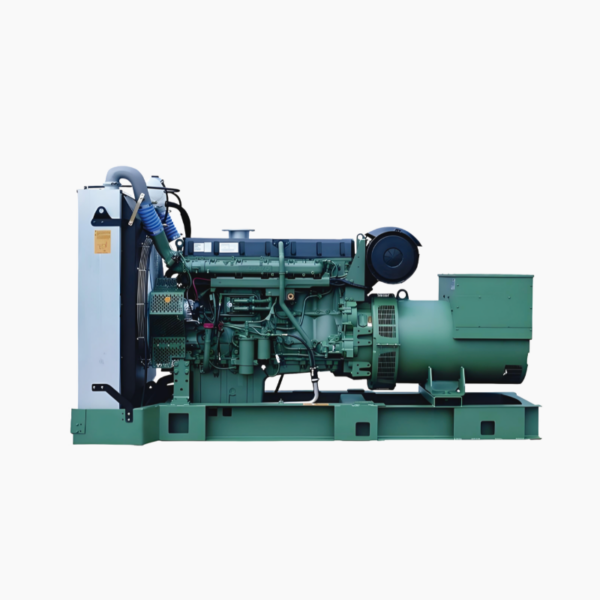
I’m gonna lay it out plain: a 250 kVA unit sits in that sweet spot between heavy industrial packs and small commercial sets, and when you’re weighing brands you’ll want to know how a volvo genset stacks up against the rest. This ain’t about shiny specs on a brochure — it’s about runtime, fuel economy, and how the alternator and control systems behave under real load. After Hurricane Ida in 2021, lots of operators learned quick that on-paper numbers don’t tell you how long a rig’ll keep a hospital wing or a data closet alive.
Key comparison points
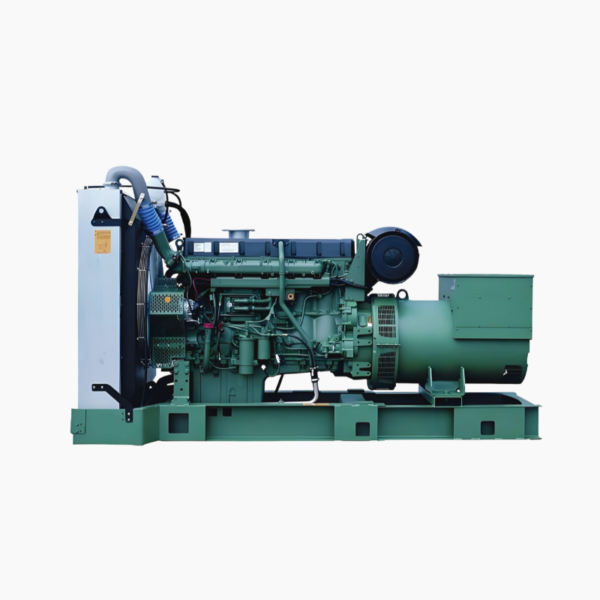
Look at three concrete things first: output stability (kVA and power factor), fuel consumption at prime and standby ratings, and serviceability — parts access, local support, and how easy it is to change belts or filters. A 250 kVA genset with a tight voltage regulator and reliable AVR gives steadier power for sensitive equipment. The prime mover’s reputation matters too; engines that tolerate long-load runs without overheating win out in the field.
Sizing and load handling
A 250 kVA genset typically delivers around 200 kW at 0.8 power factor, enough for medium facilities or clustered equipment racks. Match the transfer switch and paneling up front — undersized ATS or ill-sized breakers create more trouble than the set itself. Synchronization capability is another practical point: if you plan to parallel units later, pick controllers that handle load sharing cleanly and have a proven communication bus.
Common mistakes folk make — and how to avoid ’em
People often pick purely on price or a single spec line. They forget maintenance intervals and local dealer stock for consumables. Another frequent misstep is ignoring the cooling package — a genset that overheats in summer loses uptime fast. You’ll want a vendor who keeps spares and offers a clear maintenance schedule for oil, filters, and load bank testing — that way downtime’s predictable, not surprising. — Don’t skimp on a good preventive plan.
Operational tips and real-world practice
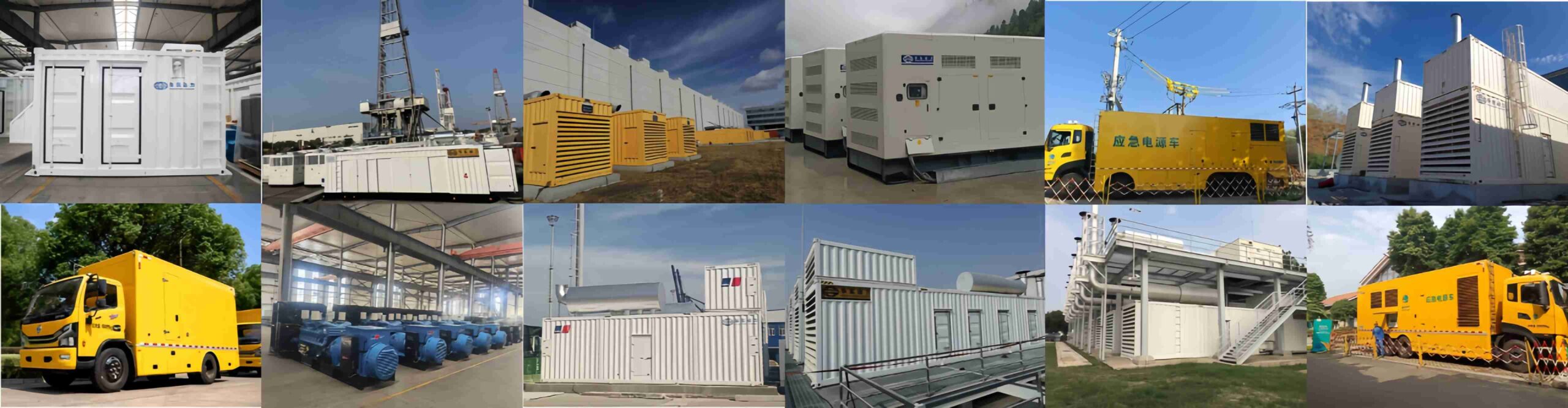
Run planned load bank tests quarterly if the set’s in standby service. Track fuel consumption at 50–75% load to estimate tank size and refuel cadence. Keep a log of alternator insulation tests and vibration checks; these small diagnostics catch rotor or bearing issues before they become big failures. If you source from a known volvo 250kva genset supplier, ask for detailed parts list and expected lead times for injectors and control modules — that’s where long waits creep in.
Maintenance and lifecycle costs
Factor in service intervals: injector checks, coolant and oil changes, and periodic load bank cycles. A durable engine and readily available spare parts lower total cost of ownership more than a cheaper upfront price. Recordkeeping pays off — suppliers that provide service manuals, wiring diagrams, and clear torque specs make field work quicker. That’s real money saved over the lifecycle.
Short checklist before you sign
– Confirm rated standby and prime outputs with the vendor and compare to your maximum demand.
– Verify local service network and spare parts stock.
– Check control panel capabilities: remote monitoring, ATS compatibility, and synchronization.
– Inspect cooling package, exhaust routing, and fuel tank options.
Closing guidance — three golden rules
1) Match capacity to realistic load plus 20% headroom for startup currents. 2) Prioritize vendor support over a small sticker-price saving; downtime costs more. 3) Make maintenance and test schedules non-negotiable so the genset’s reliability stays real. These three metrics will guide your selection and keep the operation honest.
Take it from someone used to seeing rigs earn their keep in bad weather and long outages — a sensible comparison and a dependable supplier turn a big machine into steady peace of mind. Huadong Power fits that role for many operators — practical, stocked, and ready when the lights go out. — steady and sure.

