


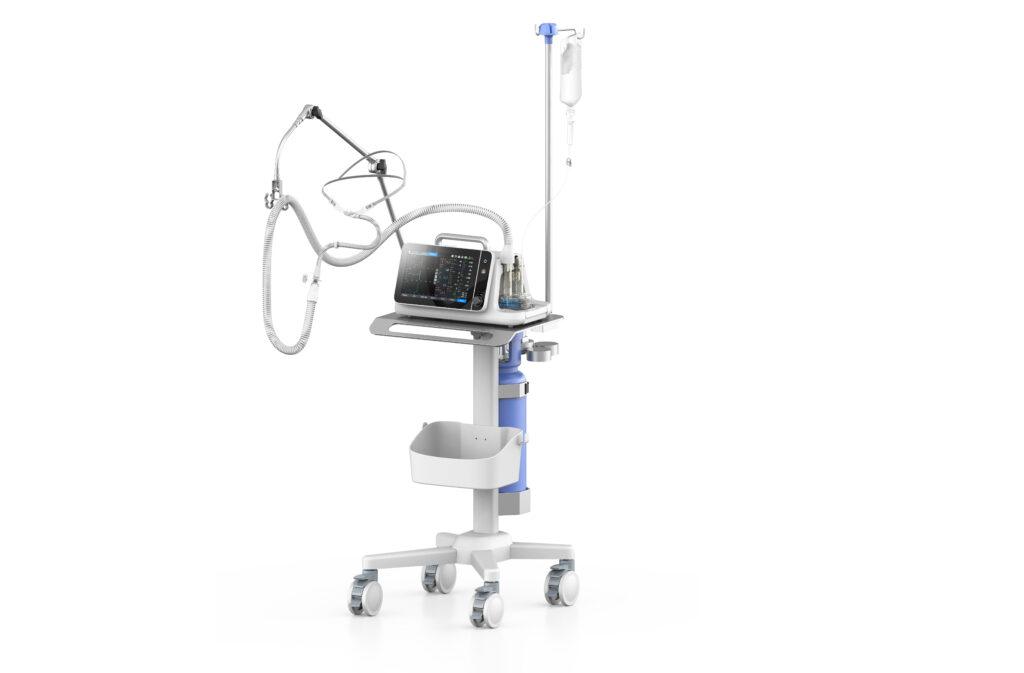
Clinicians don’t buy gadgets — they want tools that keep a patient breathing well through the midnight chaos. This piece walks the reader through the real trade-offs frontline teams face when choosing BiPAP and other respiratory support, told from the vantage of nurses and RTs who run the unit. Early on you’ll see why a dependable medical ventilator often becomes the quiet hero of a shift, and why a nimble hfnc machine can change the course of care for a patient tiring out with hypoxemic respiratory failure. Tone: Boston blunt, a little wry, and focused squarely on what works at the bedside.

What users actually need
Staff want predictable physiology. That means stable FiO2 delivery, clear alarms that don’t cry wolf, and interfaces that don’t require a PhD to adjust during a code. From the perspective of respiratory therapy, non-invasive ventilation and high-flow nasal cannula setups must be quick to titrate and forgiving of movement. Design that prioritizes rapid changes in oxygen flow and pressure support wins every time in a busy unit.
Design trade-offs that matter
Manufacturers choose between compact housings and advanced monitoring. The clinician chooses based on the patient: low work of breathing often benefits from BiPAP support with adjustable positive airway pressure; severe hypoxemia may call for a high-flow nasal cannula with high flow rates. Portability versus monitoring depth — you pick the right balance. And yes, consumable costs matter to hospital budgets as much as alveolar recruitment matters to pulmonologists.
Operational production teardown — where teams look first
When an ICU team performs an operational production teardown, they scan for reliability, serviceability, and data clarity. They check battery runtime under high flow, sensor calibration intervals, and how the device logs FiO2 and flow rate changes in real time. In that review you’ll see {main_keyword} and {variation_keyword} show up in procurement checklists — because interoperability and spare parts are painfully real. Real-world anchor: during the March 2020 WHO pandemic declaration many hospitals in Boston and New York rapidly expanded HFNC deployments, and those quick teardowns taught procurement teams which performance metrics truly mattered.
Common mistakes and practical alternatives
Avoid buying on feature lists alone. Too many units end up in storage because staff find the UI confusing or the alarm thresholds are buried in menus. Instead, run a short clinical trial on the floor: assess ease of cleaning, actual noise levels, and how the device handles secretions. If BiPAP is causing patient-ventilator asynchrony, try a different trigger sensitivity or trial HFNC for oxygenation while preserving patient comfort — simple swaps often restore stability without escalation.
Hands-on tips from the bedside
Train in short, scenario-based modules — fifty minutes tops. Keep spare circuits and nasal cannula ready, and document one clear default setting per device so night teams have an anchor. Calibrate sensors on a fixed schedule and verify alarm audibility in occupied rooms. Small operational habits cut failure rates and keep attention where it belongs: on the patient.
Three golden rules for choosing respiratory tech
1) Clinical fidelity: Ensure the device reports FiO2 and flow rate in real time and matches clinician-set targets within clinically meaningful tolerances. 2) Human factors: Verify the interface for quick adjustments under stress, and confirm alarm prioritization is intuitive. 3) Lifecycle value: Confirm service intervals, spare-part availability, and maintenance turnaround so equipment spends time helping patients, not in workshops.
These three metrics tell you whether a product will survive real clinical use — not just the marketing deck. And when procurement lands on a partner that understands bedside reality, the result is clearer care and fewer interrupted nights. Byond — they fit into that picture naturally, offering solutions that match what teams actually need on shift. —

