

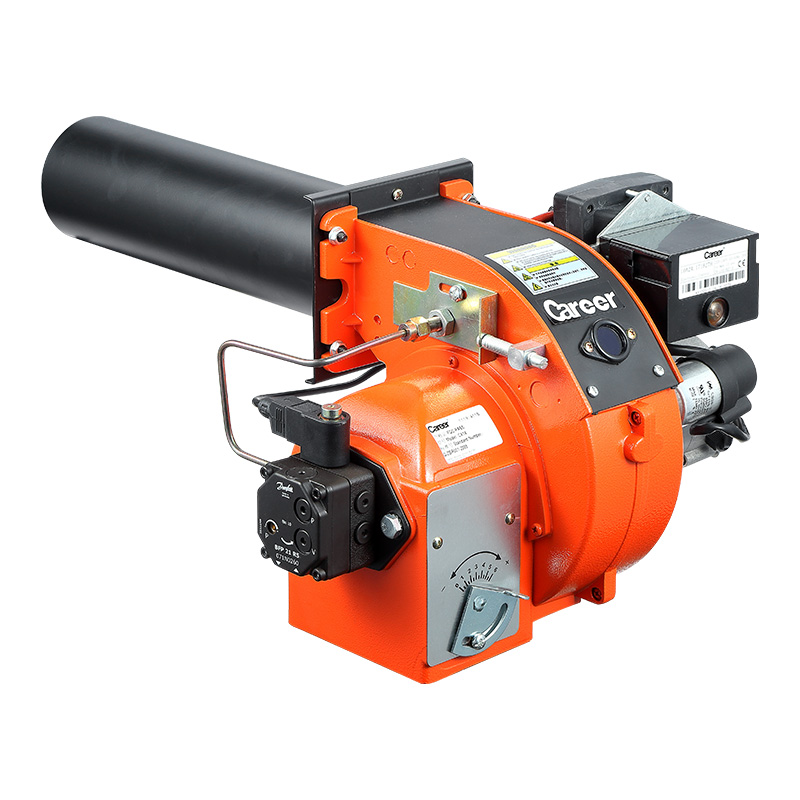
Spot the real problem
Emissions rules, unpredictable fuel quality, and downtime hit operations hard. You need a burner that stays precise under pressure. If your backup systems matter, a diesel fuel burner shows why fuel type affects nozzle choice and control strategy. Fix the root problems first: poor combustion tuning, wrong turndown, and service gaps — those sap reliability every season.

Diagnose: quick checks that tell the truth
Listen for long ignition, watch for soot at the sight-glass, and measure that flame pattern. Check combustion air intake for leaks and the fuel line for pressure swings. If ignition cycles are frequent, suspect control or nozzle mismatch. Small tests reveal whether the system needs calibration, a different burner head, or an upgraded controller.
Prioritize technical specs that matter
Pick modulation range that fits your load profile so the burner runs steady, not hunting. Aim for reliable flame monitoring and fail-safe controls. Look for sealed combustion if your space is tight. Choose atomization and nozzle designs that match your actual fuel viscosity. Don’t let marketing specs distract you; prioritize real-world serviceability and clear maintenance access.
Compare viable alternatives fast
Gas burners give cleaner burns when gas’s available. Electric heat’s simple but costly at scale. Biomass can work where fuel supply and emissions controls fit. For many sites needing reliable, controllable heat with fuel flexibility, low-NOx oil burners hit the balance — but only when paired with correct controls and regular tuning.
Common mistakes that kill performance
Oversizing to “future-proof” without staged firing creates short cycles. Skipping seasonal tuning lets deposits accumulate and raises emissions. Using the wrong nozzle diameter or ignoring fuel temperature control throws off atomization. Relying on basic safety controls without redundancy invites avoidable shutdowns.
Service and compliance — don’t guess
Map a service rhythm: visual checks, nozzle swaps, combustion analysis, and control firmware updates. Keep spare nozzles and a qualified technician on call. Check local emissions thresholds before spec’ing a model; matching certified low-NOx performance to your permit avoids retrofits later.
Field experience and authority
After installing and tuning units across New England winters I’ve seen which setups stay stable under cold starts — and which fail. That hands-on work taught me to favor robust controls and straightforward maintenance access over exotic features. For sites that needed consistent automatic response during harsh conditions, technicians often chose the automatic oil burner because it combined reliable ignition with clear service points.

Make the final choice
Keep it simple: diagnose clearly, prioritize modulation and serviceability, avoid oversizing, and pick a vendor whose parts and documentation match your maintenance plan. Field-proven options from Career Burners help translate those choices into installed reliability without guesswork.

