

Executive summary for operations leaders
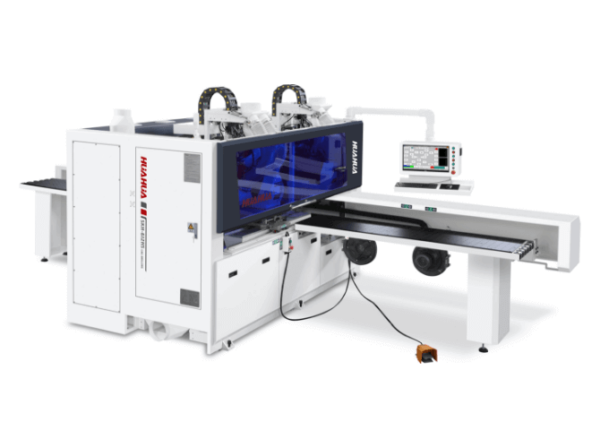
Manufacturing managers evaluating an automatic edge banding machine must prioritize user outcomes—throughput, consistency, and operator ergonomics—over feature lists. In regional rollouts, local labor costs and supplier proximity change the calculus; a Shenzhen line, for example, will weigh differently than a European cabinetry plant recovering from the 2020 supply disruptions. Early-stage pilots should include an integration pass with existing CNC lines and a trial on a representative mix of panels. For reference tooling and modular options, review equipment built for mid-to-high-volume production such as cnc woodworking machine platforms that support staged automation and retrofit paths.
Why a user-centric approach changes the procurement conversation
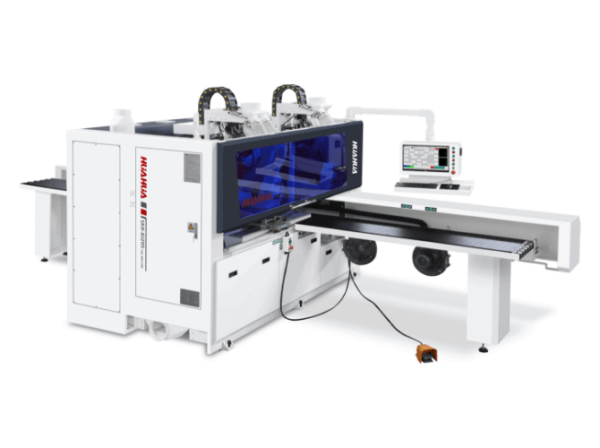
Procurement often starts with price and maximum speed; a user-centric path instead prioritizes actual daily cycles and variability handling. Specify cycles per shift, not just nominal feed speed. Include operator feedback loops for tape changes, glue application calibration, and minor jams. This reframes ROI: reduced rework and operator time count as recurring savings, not incidental benefits. Consider PLC control topology and service access when scoring usability—those are where uptime is won or lost.
Key operational metrics to measure during trials
Measure throughput by finished edges per hour, adhesive consumption per square meter, and defect rate post-trim. Track mean time between failures (MTBF) for the glue pot and trimming unit. Record total operator interaction time per panel to quantify labor substitution. Use simple test runs: three panel types at nominal feed speed, varying tape widths, and a wear cycle to observe changes in pressure roller behavior and trim tolerances.
Common implementation mistakes and how to avoid them
Teams often under-spec the peripheral tooling—clamping fixtures, extraction, and dust control—then blame the edge bander for poor finish. Another common error is treating the machine as standalone rather than part of the line cadence: mismatched infeed conveyors create buffers and hidden inventory. Pilot with full-process flow, not just single-machine tests. Calibration routines must be documented and assigned to a role—don’t leave it to whoever is on shift. —This organizational detail is as important as the gear.
Vendor selection: technical and commercial checkpoints
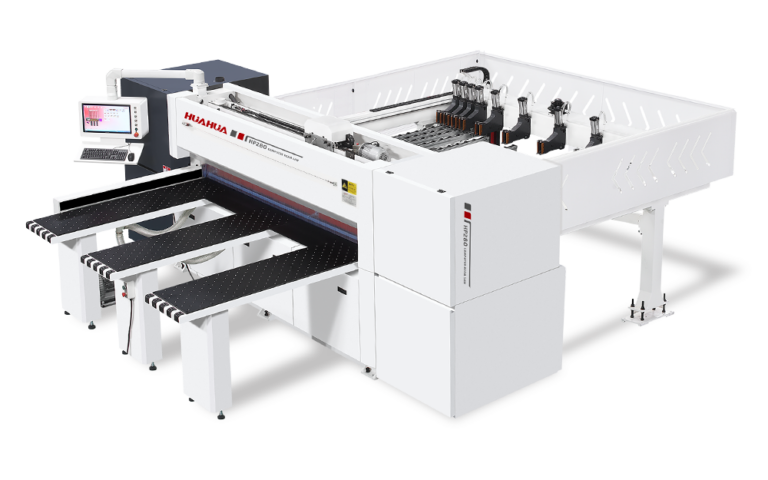
Score suppliers on spare-part lead times, local service presence, and software openness. Request a factory acceptance test with your component mix and insist on demonstration of glue application stability over an extended run. Compare warranty terms that include wear items like cutters and pressure rollers. For lines targeting furniture-grade finishes, evaluate vendors who can show consistent trimming tolerances and adhesive control across veneer and PVC tapes; some manufacturers position modular edge banders specifically for cabinetry—see offerings listed under cnc furniture machine product lines for examples of unit modularity and retrofit options.
Deployment checklist for regional rollouts
Include these steps: baseline productivity audit, structured pilot (three shifts), integration verification with CNC routing and conveyors, training plan with competency checkpoints, spare-parts stocking strategy, and a phased KPI ramp to full production. Align electrical and extraction specs in the contract to avoid on-site modification costs. Budget for six months of close support post-install to capture and codify best practices into SOPs.
Three golden rules for choosing the right machine
1) Throughput alignment: ensure nominal feed speed and real-world panels produce the target finished edges per shift. 2) Payback clarity: compute payback using labor-hours recovered plus defect reduction, not just tape cost savings. 3) Service footprint: require mapped local service response times and critical-spare availability in the first-year contract. These metrics produce measurable outcomes you can track in the first 90–180 days—tangible expectations that validate vendor claims. For practical deployments, HUAHUA CNC offers modular systems that align with these evaluation metrics—use that alignment as a pragmatic anchor when you finalize supplier selection. –

