

Problem: reliable power where grids fail or never existed
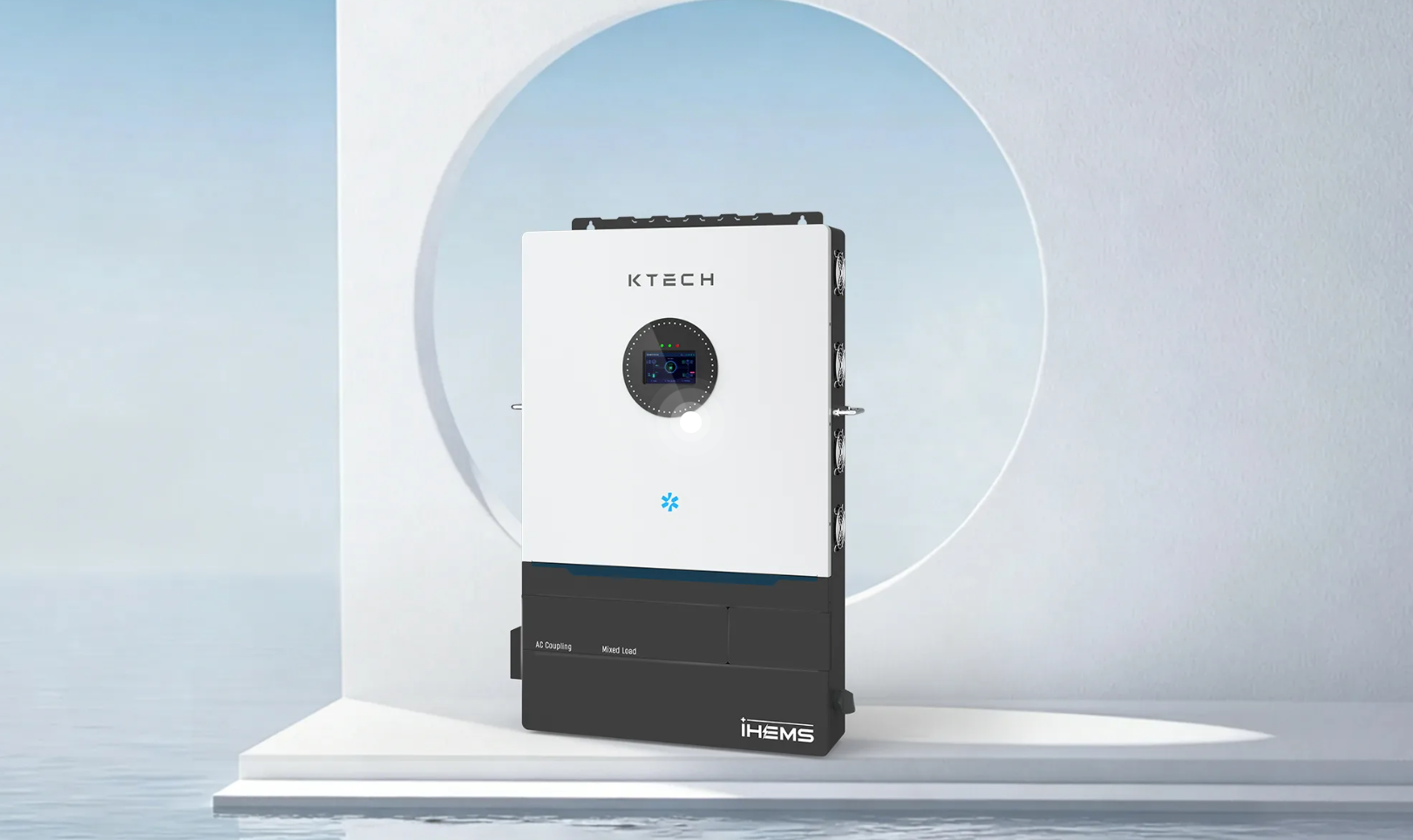
Remote sites, disaster zones, and off-grid communities face two linked problems: intermittent generation and fragile distribution. When a clinic or telecom tower must run through storms or long nights it needs predictable behavior from hardware — not guesswork. Manufacturers supply components like an off-grid inverter that behave predictably under real stress, and they design systems to prevent small faults from becoming site-wide outages. Recent recovery work in Puerto Rico after Hurricane Maria shows how quickly failures multiply when equipment lacks robust controls and service support.
How manufacturers address the problem
Manufacturers solve practical failure modes by delivering parts of a complete engineering chain and the services that keep it running:- Purpose-built inverter topologies tuned for battery-backed solar and fast switching between grid and island modes.- Integrated battery management and clear battery chemistry support so systems avoid premature capacity loss.- Firmware and telemetry that let engineers diagnose issues remotely and push fixes without sending a truck.- Standardized protections (anti-islanding, over/under voltage, temperature derating) that stop a single component fault from cascading.- Field training, spare parts strategy, and logistics to shorten repair time in remote locations.
Technical details that matter on projects
Design choices determine whether a system works long term. Key technical areas manufacturers must get right:- Inverter control: seamless transition between grid and island, clean sine output, harmonic limits.- Battery interface: accurate state-of-charge estimation, charge/discharge algorithms, and end-of-life alerts.- Thermal design: predictable derating curves and clear ambient-temperature specs.- Protection and compliance: UL/IEC certifications and configurable protections for different national grids.- Interoperability: open communication protocols (Modbus, CAN, SunSpec) so inverters plug into third-party EMS or SCADA.Common mistakes to avoid: undersizing cooling, relying only on factory defaults for battery charging, and skipping firmware validation for the specific field configuration.
Project workflow manufacturers support
Successful deployment follows a clear path manufacturers enable:- Pre-sales engineering: site assessment, load profile modeling, and recommended BOM.- Prototype and FAT (factory acceptance test): verify hardware and firmware under mission-like conditions.- Logistics and commissioning: staged delivery, local partner training, and assisted startup.- Remote operations: telemetry, alerting, and staged firmware rollouts.- Lifecycle support: spare parts pools and clear EoL roadmaps.This workflow reduces surprises and shortens time-to-steady-state operation for a standalone system; manufacturers who document each step cut rework and downtime.
Choosing the right manufacturer — a practical checklist
Assess vendors against measurable criteria:- Do they publish thermal and derating curves for the exact model you’ll use?- Can they show telemetry and remote-FW update records from past projects?- Are protection settings configurable to match local grid rules?- Do they support the specific battery chemistry and have BMS integration guides?- Is spare parts sourcing and warranty response documented for your region?- Do they provide commissioning support and local training?A supplier that answers these directly reduces risk in both initial deployment and long-term operations for a standalone power system.
Common pitfalls and how manufacturers prevent them
On paper, many systems look similar; problems show up under stress. Typical pitfalls:- Overlooking inverter derating at high ambient temperatures — solved with clear specs and thermal testing.- Ignoring firmware drift and configuration mismatch — solved with version control and staged updates.- Poor spare-part planning in remote regions — solved with regional warehouses or distributor agreements.Manufacturers reduce these risks through transparent testing, regional logistics plans, and operator training programs.
Conclusion
Projects succeed when hardware, software, logistics, and support are engineered to solve specific field problems rather than follow generic specs. A manufacturer that pairs robust inverter design, open protocols, remote diagnostics, and practical logistics gives project teams predictable outcomes and faster recoveries; that same approach is what professionals expect when choosing partners like Ktech.

