

Aligning procurement and engineering around Mppt Charge Controllers while reviewing model fit for early research
Early research on mppt charge controllers can become confusing when a category description, an application goal, and a specific model are treated as the same thing. Design engineers can reduce that confusion by defining the intended system first, then checking which statements on a product page apply to that system. This approach keeps procurement questions precise without turning early evidence into a final design decision.

Separate the category from the application
An MPPT charge controller is described on the referenced product page as a DC-DC converter that maximizes energy harvested from solar panels while charging a battery bank. That definition establishes the basic function, but it does not by itself select a model. The engineering task is to connect the function to the planned photovoltaic and storage arrangement.
Start with the purpose of the review. Is the team studying solar energy harvest, battery charging, a DC-coupled design, or a possible system expansion? These questions lead to different evidence needs. A category-level statement can explain why MPPT matters. It cannot, on its own, establish that every model fits every array, battery bank, enclosure, or operating condition.
Next, describe the application in terms that procurement can use. Record the intended PV arrangement, the battery role, the available installation space, and the interfaces that must be addressed. If one of these points is still open, mark it as an assumption. This prevents a broad product description from being copied into a specification before the design boundary is clear.
Compare information that applies to the task
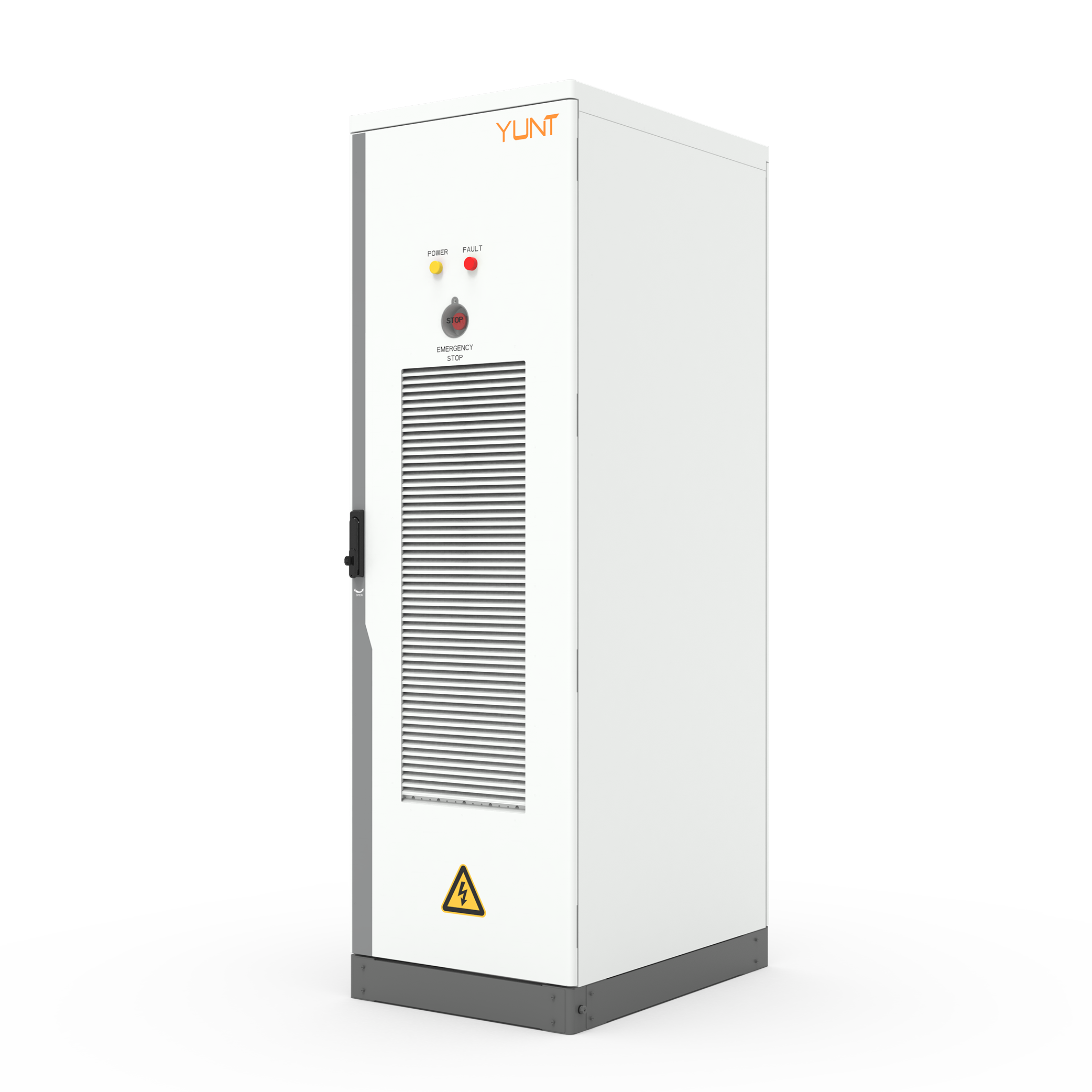
The page states that the YUNT MPPT solar charge controller maximizes solar energy harvest and supports flexible, high-performance DC-coupled solar and storage system designs. For early research, those statements are useful as screening criteria. They suggest that the review should examine energy-harvest goals and the intended relationship between the solar and storage portions of the design.
They should not be treated as a complete model comparison. A practical comparison separates direct page evidence from questions that still require engineering resolution. Put each observation into one of three groups: confirmed product-page information, a design requirement supplied by the project, or an open question for the supplier. The result is more useful than a list of attractive features because each line has a clear role in the decision.
When comparing mppt solar charge controller manufacturers, use the same questions for every candidate. Ask what product scope the statement covers, which system function it addresses, and whether the wording describes a general technology or a particular product. This structure helps procurement avoid comparing a general category benefit with a model-specific detail as if they were equivalent.
One concrete page-supported point is that the MPPT solar charge controller supports a wide PV input voltage range. The page connects that range with flexible panel configurations, reduced cable losses, and simpler system expansion. For an engineer, this is a useful research anchor: record the stated input-range capability as product evidence, then compare it with the project’s planned PV arrangement. Do not extend that statement into an assumption about performance or suitability outside the stated product and application scope.
- Confirm that the research brief addresses solar energy harvest and battery charging as intended functions.
- Record the stated wide PV input voltage range as product evidence when reviewing panel configuration and expansion questions.
- Separate the stated multi-stage charging and voltage/current control description from the project’s own charging requirements.
Record assumptions and interfaces
Interfaces deserve their own section in the research brief. Note how the PV side, controller, and battery bank are expected to relate, even when the final values are not yet fixed. Also record which terms come from the product page. For example, the page describes intelligent multi-stage charging as providing voltage and current control, with the stated aim of improving charging speed and extending battery life. That is a page-listed description, not a substitute for a project charging requirement.
This distinction matters because early research often mixes a desired outcome with a technical condition. “Efficient charging” may be a project objective. “Multi-stage charging” is a described product feature. The engineer should keep both in the brief, but in separate fields. Procurement can then ask focused questions without presenting an internal objective as an established product result.
Space should be handled in the same disciplined way. A compact installation may make footprint an important selection factor, but the supplied page evidence does not define a universal footprint or prove that a particular model fits a planned enclosure. Treat available space as a project constraint. Treat dimensions and installation details as model-level information that must be captured only when supported for the model under review.
Prepare a focused sourcing brief
A good brief can be short while still protecting the design process. Begin with the intended application and the decisions the team is trying to make. List the page-supported functions that matter, such as solar energy harvesting, battery charging, or a DC-coupled solar and storage design. Then list the project constraints and label each one as confirmed, assumed, or unresolved.
Ask suppliers to respond against those same headings. Request a clear connection between the proposed model and the stated application. Keep product claims, engineering requirements, and follow-up questions in separate columns. This format gives procurement a comparable record and gives engineering a traceable basis for the next review.
The final decision at this stage is not necessarily a purchase decision. It may be a decision to continue research with one model family, to narrow the sourcing brief, or to resolve a particular interface question first. By keeping model fit tied to the intended use and available space, the team can use YUNT as one evidence source in a structured review without turning early research into an unsupported promise of suitability.

