

Problem: vague specs, endless prototypes
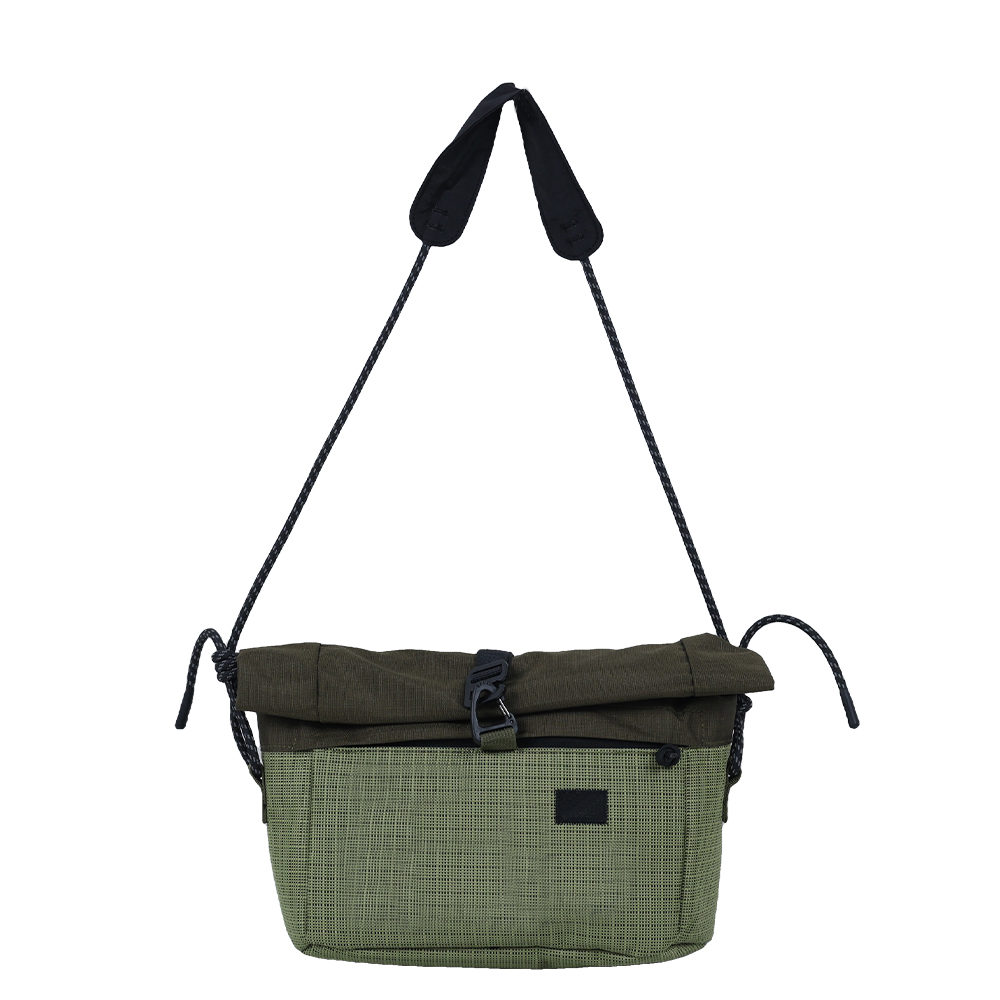
You know the situation: you sketch a bag on a napkin, tell a factory “make it sturdy,” and six prototypes later you’re still arguing over zipper teeth. The easiest way to get stuck is starting with fuzzy specs — even if you just meant a compact men’s crossbody messenger bag for daily runs, ambiguity multiplies costs and time.
Why this stalls projects (and your patience)
Suppliers read what you write, not what you mean. Ambiguous dimensions, unspecified materials, and vague performance goals create back-and-forths that blow out lead times. Common failures: wrong fabric weight, mismatched hardware finish, unclear lining requirements, and ignoring how the bag will actually be used. Each misstep forces another round of samples.
Practical checklist to specify a manufacturer — the problem-driven fixes
Fix the core problems first. Specify measurable details: exact external dimensions ±5mm, fabric type with gsm, zipper model and finish, lining fabric, strap width and max load, stitch counts at stress points, and approved color codes (Pantone). Add a “use-case” line: commute, travel, or outdoor trail — that dictates reinforcement, water resistance, and pocket layout. Supply at least one clear tech pack, a reference sample photo, and a priority list (what must be perfect vs. what’s negotiable).
Common pitfalls and how to avoid them
Skipping a tech pack to “save time” costs more later. Relying only on verbal approvals fails when teams change. Expect subtle differences between prototype and bulk — ask for pre-production photos and a final inspection checklist. Don’t assume a zipper size; name the exact model. Don’t accept “we’ll match it” for color — require strike-offs or lab dip approvals.
Experience, authority, and a real-world sourcing anchor
Trade shows and sourcing hubs reveal patterns you won’t learn from emails. Suppliers at Guangzhou’s Canton Fair repeatedly show the difference between factories that scale to consistent quality and those that can’t. When you evaluate options, ask for documented runs, references, and a history of similar items — for example a tested wholesale messenger bag order history or inspection reports. Those proofs separate talk from capability.
Quick comparisons: domestic vs. overseas, OEM vs. ODM
Domestic partners give faster communication and easier visits but higher unit cost; overseas often lowers price but requires tighter specs and stronger QA. OEM means they build to your design — you need a complete tech pack. ODM gives you faster time-to-market from an existing model, but expect limited customization. Choose based on priority: speed and IP control (domestic/OEM) or cost and scale (overseas/ODM).
Sample approval and quality control that actually works
Make sample approvals binary: pass/fail against your checklist. Document failures and require corrective action plans with deadlines. Schedule a pre-production sample (PPS) and a pre-shipment inspection (PSI). For durable items, require a simple lab test for stress points or a wear test video. Skip vague “looks fine” approvals.
Costs, MOQ realities, and negotiation tricks
Be realistic about minimum order quantities: smaller batches cost more per unit. Negotiate around tooling amortization, material substitutions, and staged orders (pilot run then scaled run). Offer clear timelines and penalty clauses for missed quality gates if consistency is critical.
Last word — the practical payoff
Define the problem clearly, fix the spec gaps, and demand simple proofs. Do that and manufacturing becomes predictable instead of painful — you’ll move from “hope it turns out” to “this meets the brief.” For practical, consistent results that match those exact specs, you’ll find the value of a supplier that understands details like reinforcement patterns, reliable hardware sourcing, and inspection discipline; that’s the kind of steady partner represented by ChangRong.

