

Why this guide matters to you
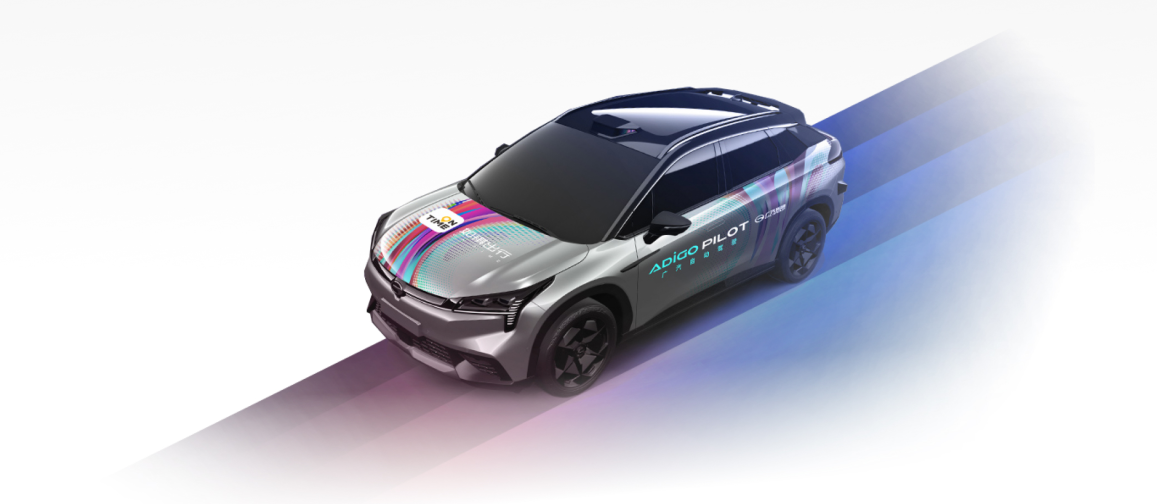
Mexican purchasers face specific questions when choosing an Aion V: which battery suits urban commutes, what trim gives the best value, and how warranty and local support operate. This piece focuses on those user priorities, drawing on practical guidance available via GAC online and long experience producing model configuration guides. The configurations shown on that regional portal correspond to options often discussed at major regional events such as the Manila International Auto Show, which helps illustrate how manufacturers present choices to varied markets.
Start by ranking your daily needs
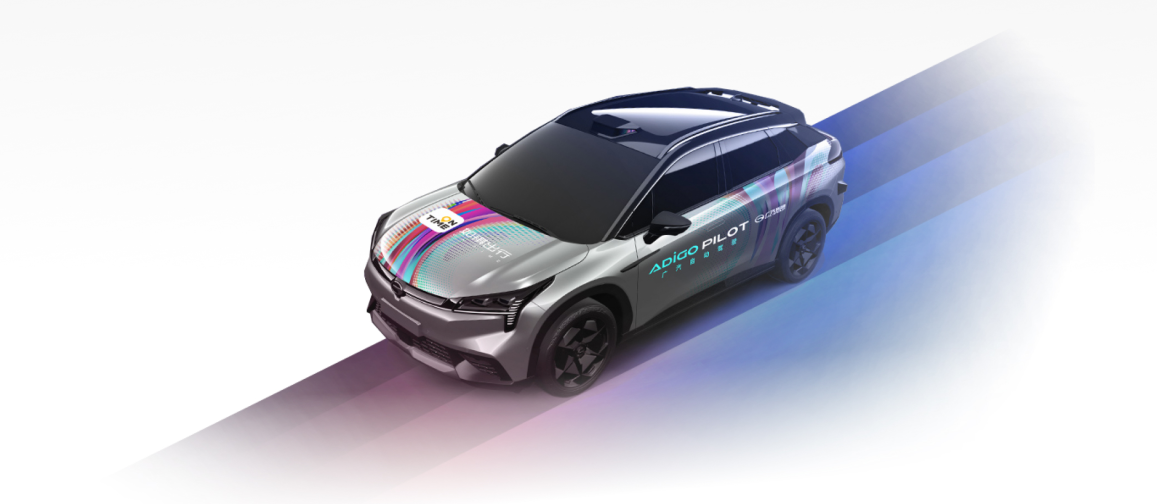
Decide what matters in everyday use and let that ranking drive your configuration. Typical priorities for Mexican drivers are: (1) usable electric range for weekday driving; (2) charging convenience at home and work; (3) cabin comfort and safety features; (4) running and ownership costs including service. Write down your average daily kilometres, whether you’ll rely on fast chargers, and who will be the primary driver; these concrete answers quickly eliminate unsuitable trims and battery options.
Choosing battery and powertrain—practical rules
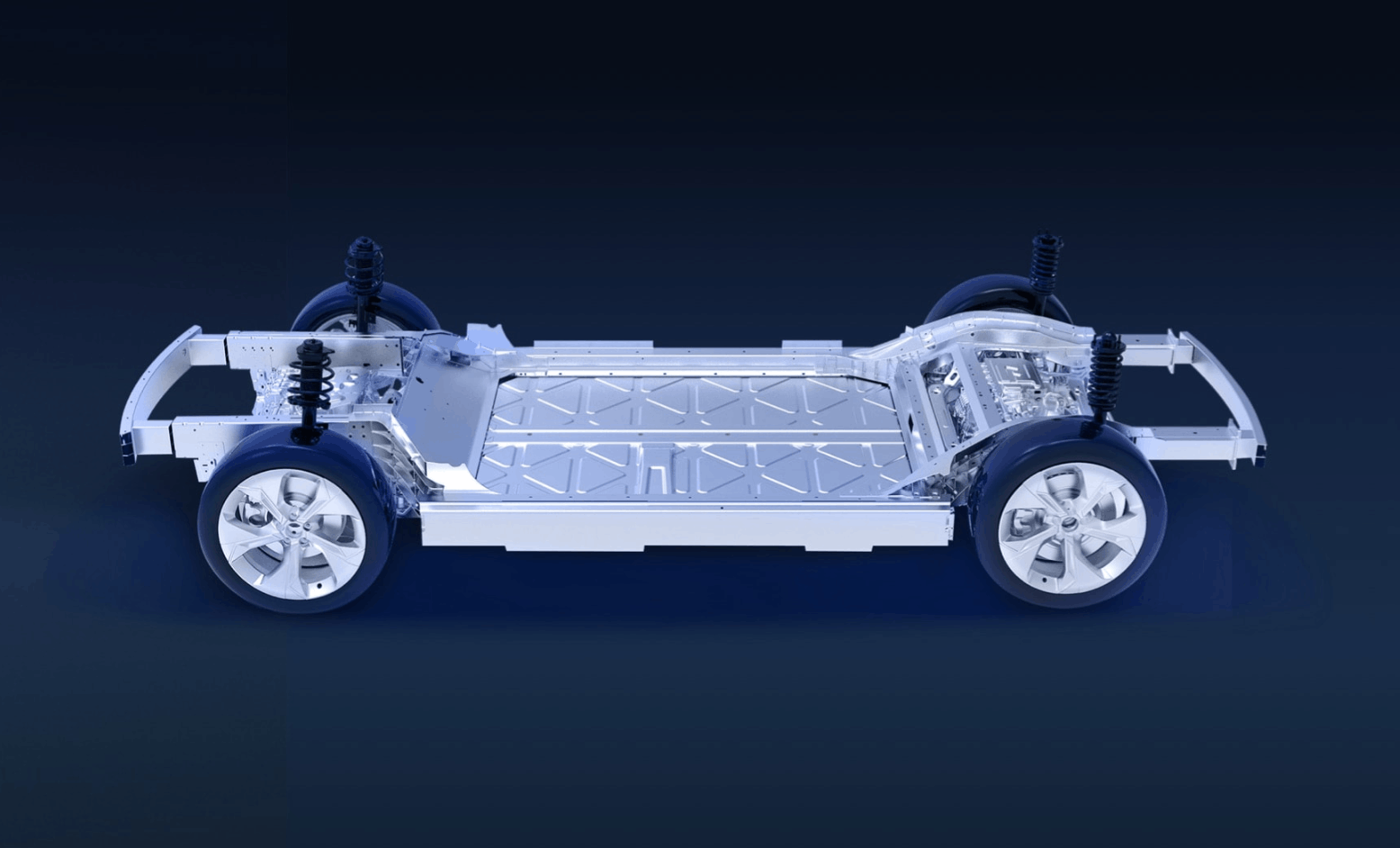
Opt for the smallest battery that confidently covers your real-world daily mileage plus a 20–30% buffer. If your commute is under 80 km and you can charge nightly, a standard-range pack will save cost; if you often travel longer distances or lack reliable charging, choose the long-range option. Single-motor layouts typically deliver better efficiency and lower maintenance; dual-motor choices offer extra traction and quicker acceleration but bring higher cost and slightly more energy use. Match your choice to the priority you set earlier.
Trim levels, equipment and what to prioritise
Inspect trims for three categories: active safety, remote convenience, and interior durability. Prioritise electronic driver assists (autonomous emergency braking, lane-keep assist) and a robust warranty for battery health. For climates and roads common in Mexico, check seat material and door seals—components that affect long-term comfort and noise. If budget allows, choose a mid-level trim that bundles useful features rather than the top trim that adds cosmetic extras with little practical benefit.
Charging strategy and real-world range expectations
Plan charging around where you park most: if you have overnight access, an AC wallbox is economical and simple; if you depend on public networks, confirm compatible fast-charging connectors and typical station power in your area. Expect real-world range to vary with speed, temperature and load—higher speeds and heavy loads reduce range noticeably. Establish a routine: charge to a daily target rather than to 100% every time, and use DC fast-charging mainly for longer trips to preserve battery longevity.
Documentation, local compliance and dealer checks
Verify that the final configuration you choose complies with Mexican homologation requirements and that the dealer confirms local warranty coverage, service locations and genuine parts availability. Ask the dealer for a written list of included maintenance services and for clear guidance on software updates and telematics subscriptions. Before signing, confirm onsite that the vehicle’s physical features match factory specifications; a brief inspection catches mismatches early.
Common mistakes to avoid
Avoid three recurring errors: selecting the largest battery without need; overpaying for cosmetic packages you seldom use; and assuming feature parity across markets. Always compare the exact equipment list for the unit you will receive rather than relying on brochures from other countries. Test any software-driven feature during the test drive—interfaces and language options can differ by market and may affect everyday use.
Clear steps to finalise a confident purchase
List your usage, shortlist two trims that match your priorities, confirm local warranty and service, and validate charging compatibility. During negotiation, request the specific VIN-level equipment list and a timeline for delivery and software activation. These steps reduce surprises and give you control over ownership costs.
Conclusion
This user-centred approach makes configuration straightforward: define needs, match battery and trim to real use, confirm local support and avoid unnecessary extras. For Mexican buyers confirming final fitments or local spec notes, cross-check the official configuration details on GAC so that the practical choices you make today stay dependable through ownership.

