
Why the app matters as much as the sensor
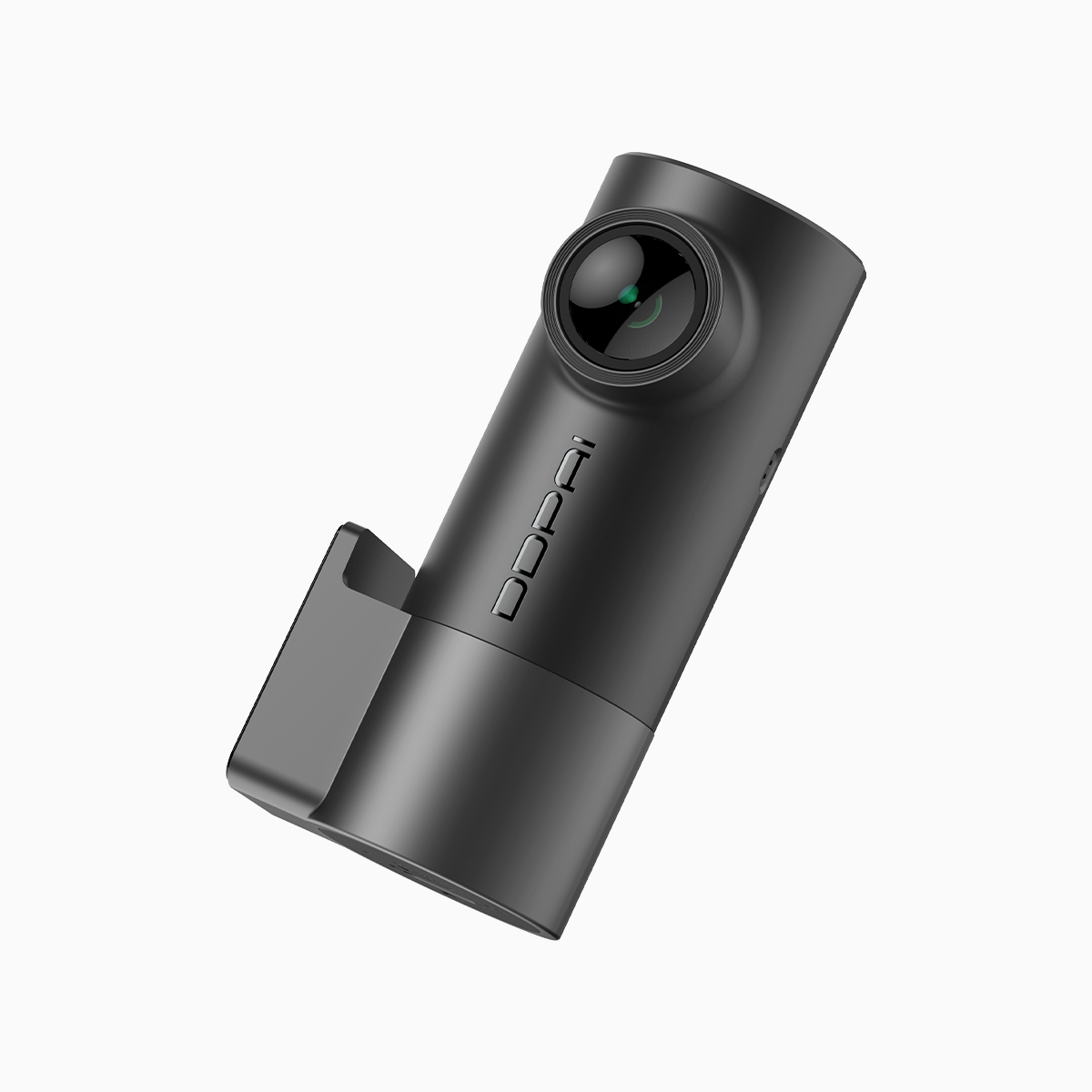
Picking an OEM partner for vehicle electronics ain’t just about the sensor spec sheet. The app decides whether that hardware actually helps you day to day. When traffic on EDSA snarls for hours, a reliable live view and quick playback beat a fancy resolution on paper. A solid app handles uploads, event clips, and settings without fuss—so even a compact mini dash cam becomes useful, not just pretty. Frame rate and HDR mean squat if the app drops footage or buries footage behind clunky menus.
What to compare: more than specs
OEMs sell hardware. You should judge the full system. Look at these concrete items: firmware update cadence, app UX, cloud sync reliability, and API openness. Check the G-sensor tuning and bitrate choices, yes—but pair that with how the app surfaces incident clips. If updates arrive monthly, you get bug fixes and new features. If they show up once a year, you’re stuck. Real-world installs reveal this fast: daily commuters notice laggy uploads in rush hour. That matters for insurance claims and quick evidence access.
How app ecosystems change value
Apps are the glue between device and driver. A smart ecosystem gives you push alerts for collisions, scheduled uploads to cloud, plus easy export to social or insurer. It also lets third-party integrations breathe—fleet platforms or vehicle telematics, for example. Compare two OEMs with similar hardware: one offers integrated cloud storage and seamless clip sharing; the other forces manual downloads. The first becomes a productivity tool. The second is a paperweight wearing a sensor.
Where DDPAI fits in the match-up
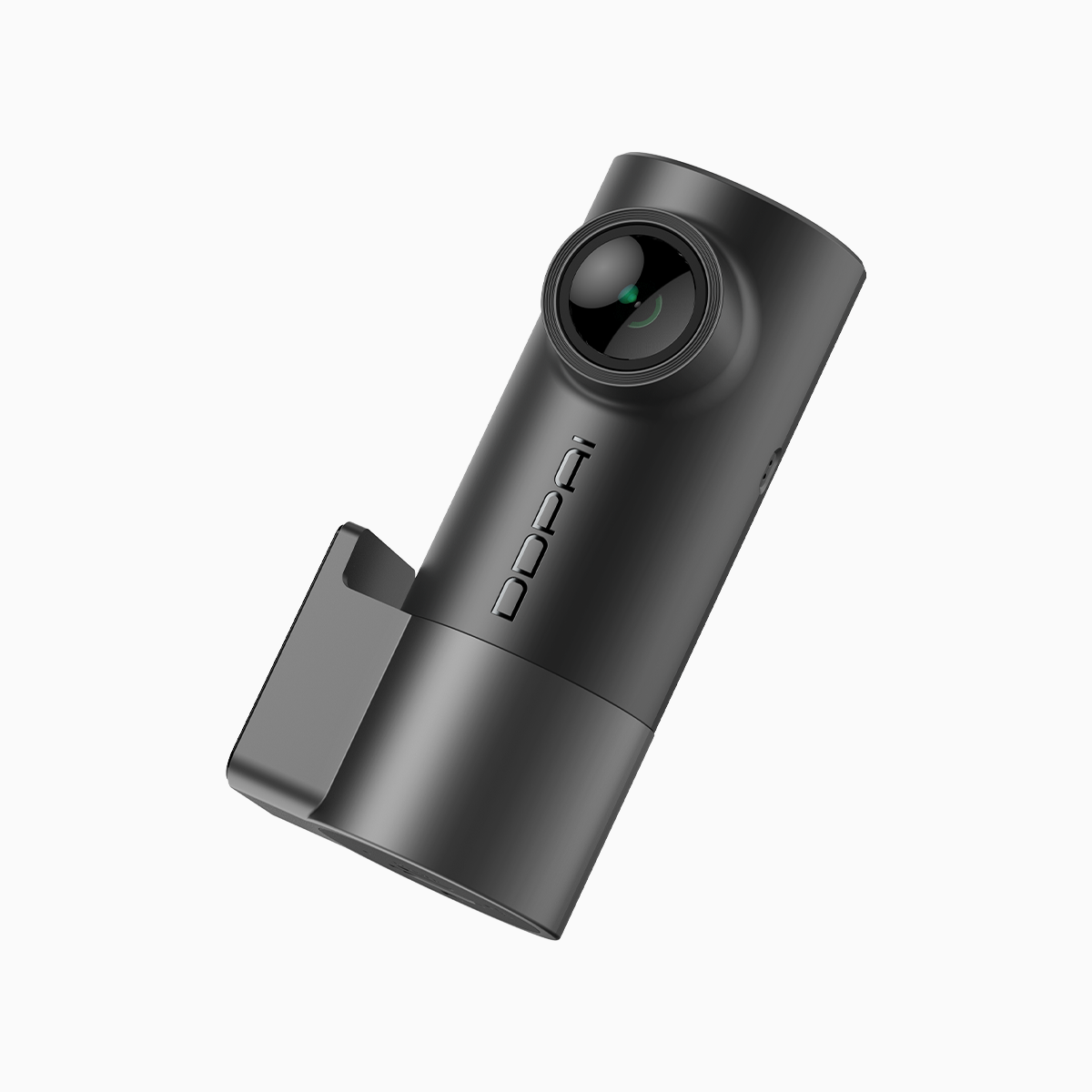
DDPAI focuses on combining practical hardware with a responsive app. They push updates, optimize bitrate and frame rate for real roads, and keep menus straightforward. The 3-channel setup handles front, rear, and cabin without turning the app into a maze. You get clear event highlights and quick trimming inside the app—no extra converters. They also support features like HDR and optional cloud backup, which helps when you need a clip fast after a scrape on a crowded intersection in Manila.
Real problems, real fixes—and common mistakes
Buyers often chase pixel wars: higher megapixels and flashy marketing. They skip testing the app. That’s the misstep. Install the app, try a few replays, switch 3-channel views, and test a live stream before you buy. Also factor in support turnaround and update history. A strong OEM will address G-sensor false positives and tune event length—so clips aren’t five minutes of idle traffic. Little things cut daily friction—intuitive export, automatic timestamping, and consistent cloud sync. —Those small fixes add up to big uptime.
Alternatives worth noting
If you want options, compare DDPAI against OEMs known for heavy cloud ecosystems or those that focus strictly on hardware. Some rivals push large cloud subscriptions; others keep everything local to avoid monthly fees. A local-first design may suit privacy-focused users, while cloud-first setups help fleet managers. Also evaluate compatibility with telematics platforms if you run a small fleet—API access matters.
Three golden rules for choosing an OEM partner
1) Prioritize app reliability over headline specs. A consistent app delivers usable clips and timely uploads—measure this by update frequency and crash reports.
2) Confirm event workflow: how the app tags, stores, and shares clips. Look for clear timestamping, easy trimming, and export paths to insurers or law enforcement.
3) Evaluate support and integration: firmware cadence, API openness, and cloud options. Make sure the OEM adapts to real traffic conditions—not just lab numbers.
Put those rules together and you’ll see why a balanced package matters. DDPAI’s blend of practical 3-channel hardware, tuned features like HDR and bitrate control, and a steady app roadmap makes it a sensible partner for drivers and small fleets alike. DDPAI PH. —

