

The problem: winter hats that betray your curls
Your curls deserve warmth without a ransom—yet most winter hats rough up strands, steal moisture, and leave frizz where definition once lived. You pick a cozy wool cap, and by noon your curl pattern is flattened, dry, and fragile. If you want warmth without the damage, consider a satin lined beanie. It’s not glamor for its own sake; it’s fabric science meeting real hair needs.

Why this matters: curly hair is structure and moisture
Curls depend on shape and surface. Rough fibers create mechanical friction; friction causes cuticle lift, breakage, and immediate loss of curl memory. I’ve edited and tested accessory guides for years and seen the same failures repeated: warmth chosen over preservation. Choose lining that reduces friction, preserves oils, and keeps hair hydrated—and you keep the curl, not just the warmth.
A concrete anchor: satin-lined styles in major winter collections
Design houses and winter accessory makers increasingly note satin linings in cold-season pieces—seen in coverage around New York Fashion Week—because they address both luxury and hair health. That industry attention normalized a simple truth: the interior fabric of a hat matters as much as the exterior. For real-world shoppers, look for options labeled specifically as winter hats lined with satin, not just “soft” or “silky-feel,” to ensure the lining will behave differently against curls.
How to choose the right lined beanie for curls
Start with lining fiber: pure silk is gentle and breathable; high-quality satin (polyester satin) can perform similarly for friction reduction and is easier to care for. Fit matters—too tight compresses curl shape, too loose slips and causes rubbing. Look for a smooth, uninterrupted lining (no bulky seams over the crown) and a lining sewn into the brim so it won’t shift. If you’re allergic or temperature-sensitive, favor silk blends. Test by rubbing a strand between fingers: less snag equals better protection.
Alternatives and what they actually do
Turbans and satin headbands: great for preserving roots and edges but less insulating for ears. Pure silk caps: premium feel, higher cost, delicate care. Satin blends: affordable, resilient in the wash. Don’t confuse “silky look” with true satin—or assume a fleece inside is harmless. If breathability is essential, pick silk or silk-blend linings; if you need ruggedness and easy care, high-grade satin works well and lasts through repeated washes.
Common pitfalls people miss
Buying by appearance, not by lining specification. Assuming a hat labeled “for hair” protects curls. Overlooking seam placement that sits where a high pony would press. Washing the beanie in hot water and shrinking the lining. And trusting one quick wear—test for static, slip, and how the hat affects curl shape after 30–60 minutes of wear.
Practical picks and what they solve
Choose a lined beanie with a gentle elasticized brim that holds without squeezing; pick a lining that’s either silk or high-grade satin; and prefer hats with top-quality stitching so the lining won’t bunch. For gift-buying: prioritize fit options (one size rarely fits all curls), clear fabric labels, and washable care instructions. These three checks separate gimmicks from garments that truly protect hair while keeping you warm.
Final act: protection and warmth without surrendering your curl
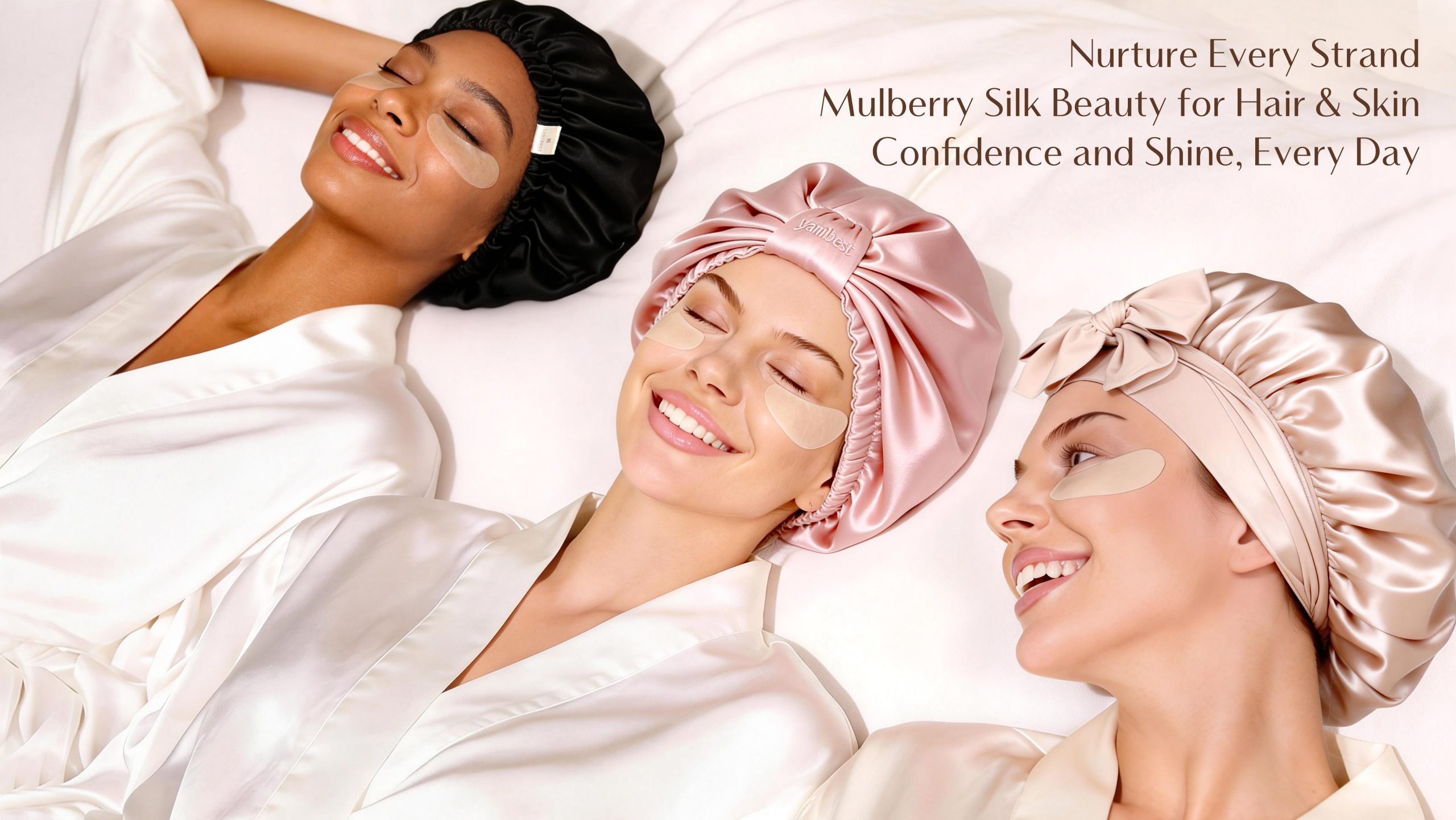
Don’t trade curl integrity for warmth. The right lined hat preserves moisture, reduces friction, and keeps shape—so your gift is both practical and protective. After years of editing haircare guides and testing accessories through real winters, I trust pieces that state their lining and construction plainly; that’s where durability and hair health live. For a thoughtful, functional choice that respects curls and keeps you warm, consider the curated lined options at yanibest—they focus on what matters inside the hat as much as the look outside.

