

Clear start: what you need and why it matters
You need a part that fits, functions, and gets to validation quickly. Decide by the questions you can answer today: quantity needed, mechanical tolerance, surface finish, and timeline. If you expect small runs or fast design cycles, CNC often saves time; if you need production-like parts for user testing or market launch, consider custom injection molding services for consistent material behavior. Please weigh those needs honestly—this single choice shapes cost and risk.
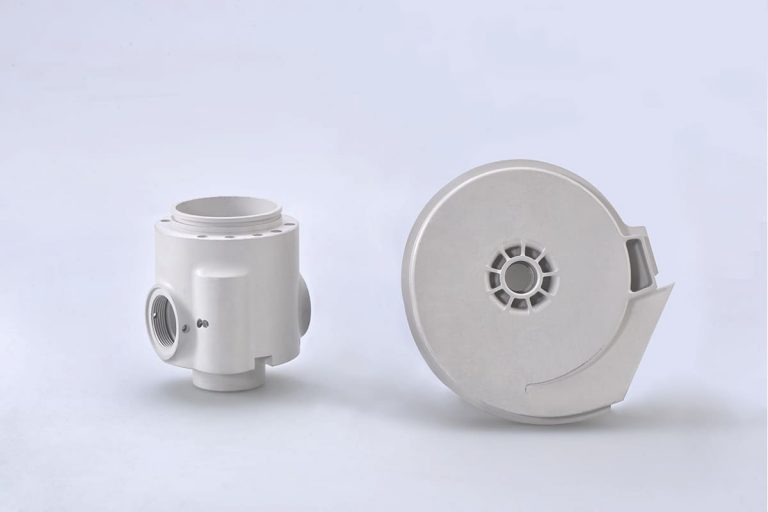
Questions that guide the choice
Ask these and answer them directly. How many units for validation and pilot? What material properties matter (flex, strength, chemical resistance)? Can late changes be tolerated? What surface finish will reviewers expect? What is your absolute tolerance budget? Your answers narrow options fast: low unit counts and many design iterations tilt toward CNC; stable designs with higher quantities favor molding.
When CNC prototyping is the right option
CNC excels for one-off fit checks, tooling-free form studies, and quick material swaps. It delivers rigid tolerances in metals and many plastics without upfront tooling cost. Expect clear prototype parts that show geometry and mechanical fit. Expect also that surface finish and internal features may differ from mass-produced molded parts; plan a final validation step if end-use will be injection-molded.
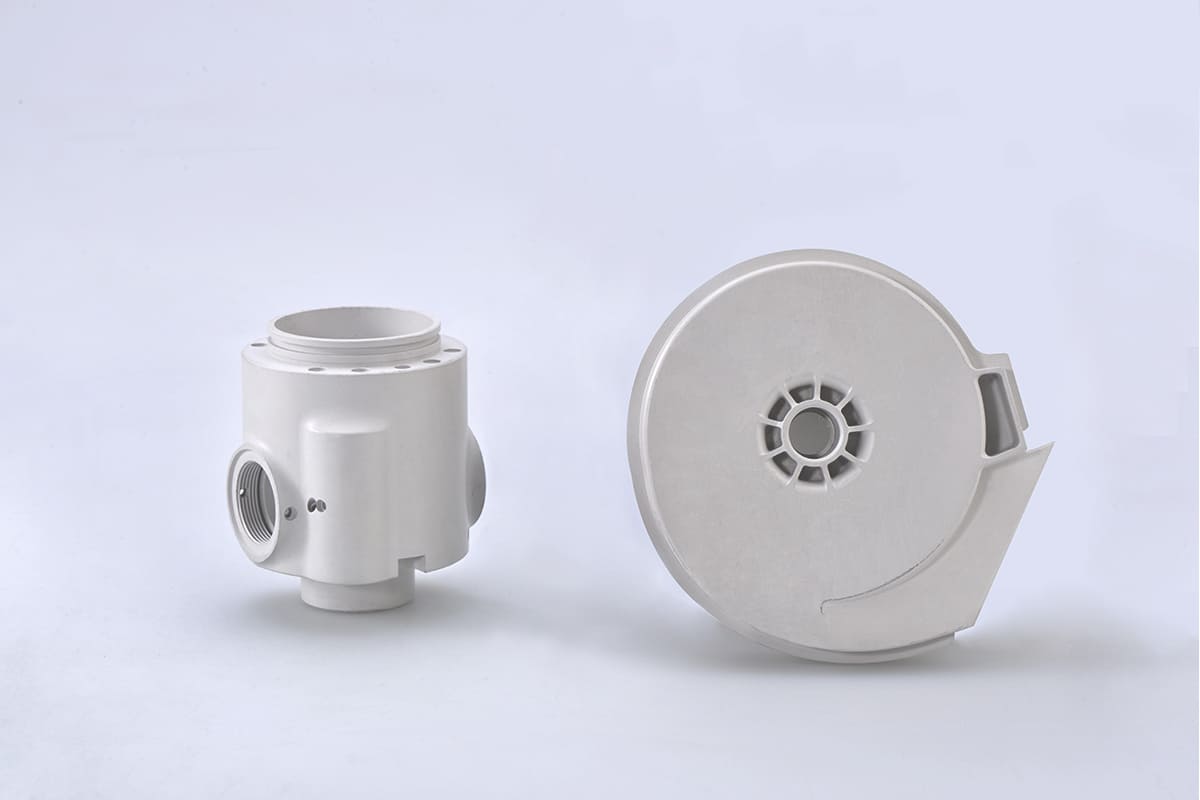
When to choose injection molding or rapid tooling
Choose molding when you need production-like surfaces, repeatable material behavior, and lower per-part cost at scale. Rapid tooling and bridge tooling can reduce per-piece cost earlier in the project, but they add lead time and require foresight about final geometry. Don’t force molding for a shape that still needs design changes; reworking a mold is expensive and slow.
Materials, tolerances, and finish trade-offs
Plastic choices change everything. Engineering-grade polymers deliver targeted stiffness and heat resistance but may need different processing from prototype-friendly machinable plastics. Machined parts show tool marks and may have anisotropic properties depending on stock and cut direction. Molded parts may use specific resins with fillers that alter color and texture. Match the testing goals—functional testing needs matched resin, cosmetic reviews need molded finish.
Common mistakes and how to avoid them
Do not treat CNC prototypes as exact stand-ins for final molded parts. Avoid relying on single-piece tests for assembly behavior without considering part-to-part variation in production. Don’t push for the cheapest vendor without reviewing past part photos and lead-time reliability. Plan a small pilot run or bridge tooling if the risk of late redesign is high. Communicate clear GD&T where fit matters; vague notes lead to surprises.
Experience and authority: practical anchors
I have worked alongside product teams that shifted from CNC iterations to mold validation in regions like the Shenzhen manufacturing hub, where supply-chain scale influences lead times and tooling availability. That real-world context shows why many teams use a hybrid path: CNC for quick validation, then small molds to verify production behavior. When volume or surface fidelity matters, consider custom plastic injection molding services to bridge prototypes and production with predictable results.
Final synthesis: a user-focused path forward
Start with honest constraints, pick the method that answers the most urgent question, and plan one validation step that mirrors final production. For many projects, the right path is CNC to validate form and assembly, followed by molded samples to confirm material and finish. A partner such as Hanstar often helps keep those steps coherent, because consistent processes and shared data reduce rework and uncertainty.

