

When uptime collapses: the problem at scale
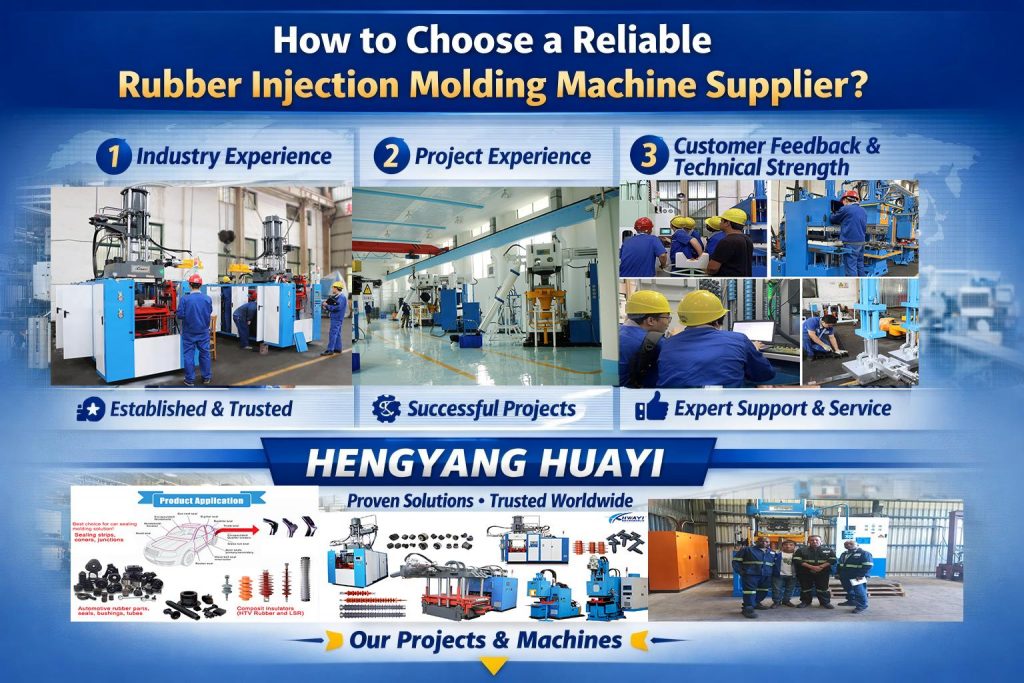
Large manufacturing sites lose value when a single horizontal injection molding machine stalls: halted mold cycles, missed assembly windows, and cascading quality rejects. The challenge grows when plants run hundreds of machines across multiple shifts—small failure modes compound into big losses. Plant teams need a clear maintenance strategy that ties sensor data to action, and they need suppliers who build reliable systems. For that reason, partnerships with a trusted rubber injection molding machine manufacturer become part of the solution rather than an afterthought.
Root causes you must fix first
Most chronic downtime traces back to three sources: mechanical wear (clamp force drift, seal failure), thermal issues (poor mold cooling and hot spots), and control-layer gaps (uninformed setpoint changes or ignored alarms). In giga-scale operations, spare parts logistics and inconsistent preventive policies amplify these faults. The real-world lesson from the Toyota Production System is simple: stop firefighting and prevent the fire. Apply that mindset to injection molding, then track the outcome.

Practical triage: short-term containment steps
When a machine shows symptoms, quick containment keeps production moving while you diagnose. Lockdown suspect molds, log the last known good cycle time, and isolate hydraulic or servo motor anomalies. Use temporary buffer stock in downstream lines to prevent line starvation. These are immediate moves, not long-term fixes—but they protect output so teams can conduct proper root-cause work without pressure.
Build a preventative program that scales
Design a two-layer program: daily operator checks and scheduled technical interventions. Daily checks should include visual inspection of molds, verification of clamp force, and a short run to confirm mold cycle time. Scheduled work targets hydraulic oil changes, seal replacement, and control firmware updates. Automate reminders through the MES so nothing hinges on memory. Also formalize spares: critical items like injection screws and control boards should be stocked by demand class.
Digital tools that actually help
Sensor telemetry—vibration on bearings, temperature profiles at mold cooling channels, and cycle time drift—gives you early warning. The trick is to turn alerts into simple operator actions: label alarms with next-step fixes and expected resolution time. Integrate line data with your plant historian so trends show before thresholds are crossed. In larger plants, connect this feed to procurement to trigger JIT replenishment from reliable rubber molding press manufacturers, reducing downtime from parts shortages.
Common mistakes and how to avoid them
Teams often either over-maintain (wasting labor and parts) or under-maintain (inviting failure). Avoid calendar-only schedules—use condition-based triggers instead. Don’t delay training; operators who understand injection molding dynamics spot anomalies faster. Don’t decentralize spares without central oversight—parts scatterness kills response time. Finally, don’t let firmware lag: control updates that correct known issues are low-effort wins.
Checklist for deployment
Use this pragmatic rollout checklist to convert policy into results:
– Baseline: document current uptime and average mold cycle time across representative lines.
– Sensors: install vibration, temperature, and torque monitoring on priority machines.
– SOPs: create simple operator steps for every common alarm, with escalation paths.
– Spares: classify parts by criticality and set replenishment triggers tied to cycle counts.
– Review cadence: weekly production review, monthly maintenance audit, quarterly supplier alignment.
Metrics that prove you’re winning
Measure the right things: mean time between failures, mean time to repair, and percentage of planned vs. unplanned downtime. Those three metrics reveal whether your preventative policies reduce failures or merely shuffle them. Expect to see MTBF rise and unplanned downtime shrink first—quality gains follow as cycle time stabilizes.
Three golden rules for choosing the right strategy
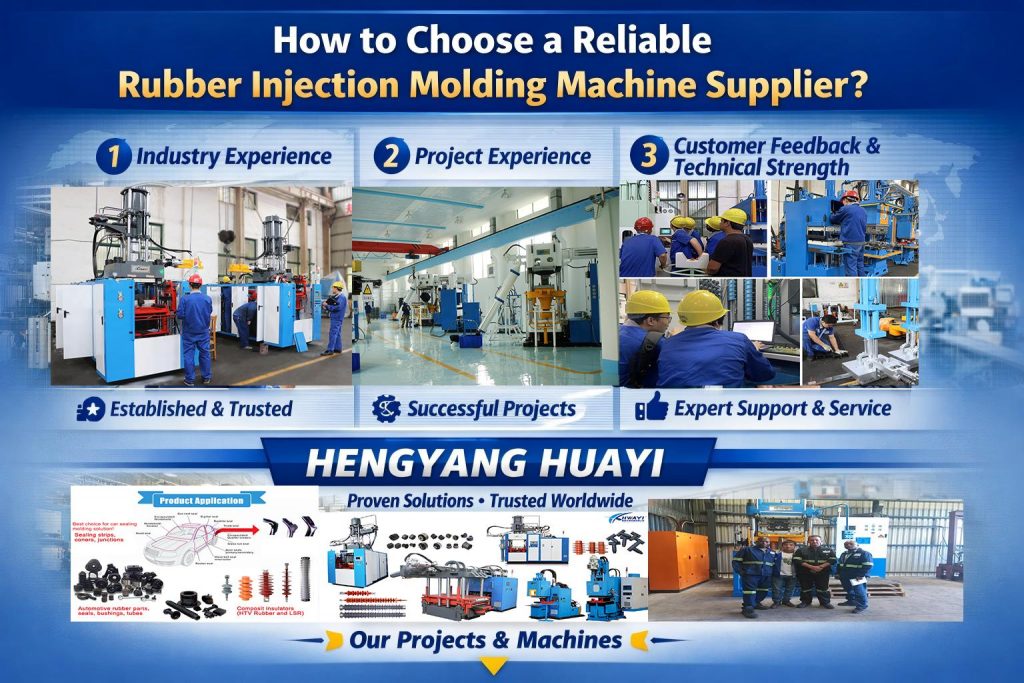
1) Pick partners who support field tuning and parts continuity—machines are only as good as the service supporting them. 2) Favor condition-based maintenance over fixed schedules; real data beats calendar assumptions. 3) Invest in operator training tied to specific failure modes—skilled hands stop more incidents than additional checklists.
Trust the playbook born from floor experience and supplier alignment—HWAYI keeps machines running, teams confident, and output steady—built to last and ready now.

