

Why a comparative view helps brands decide
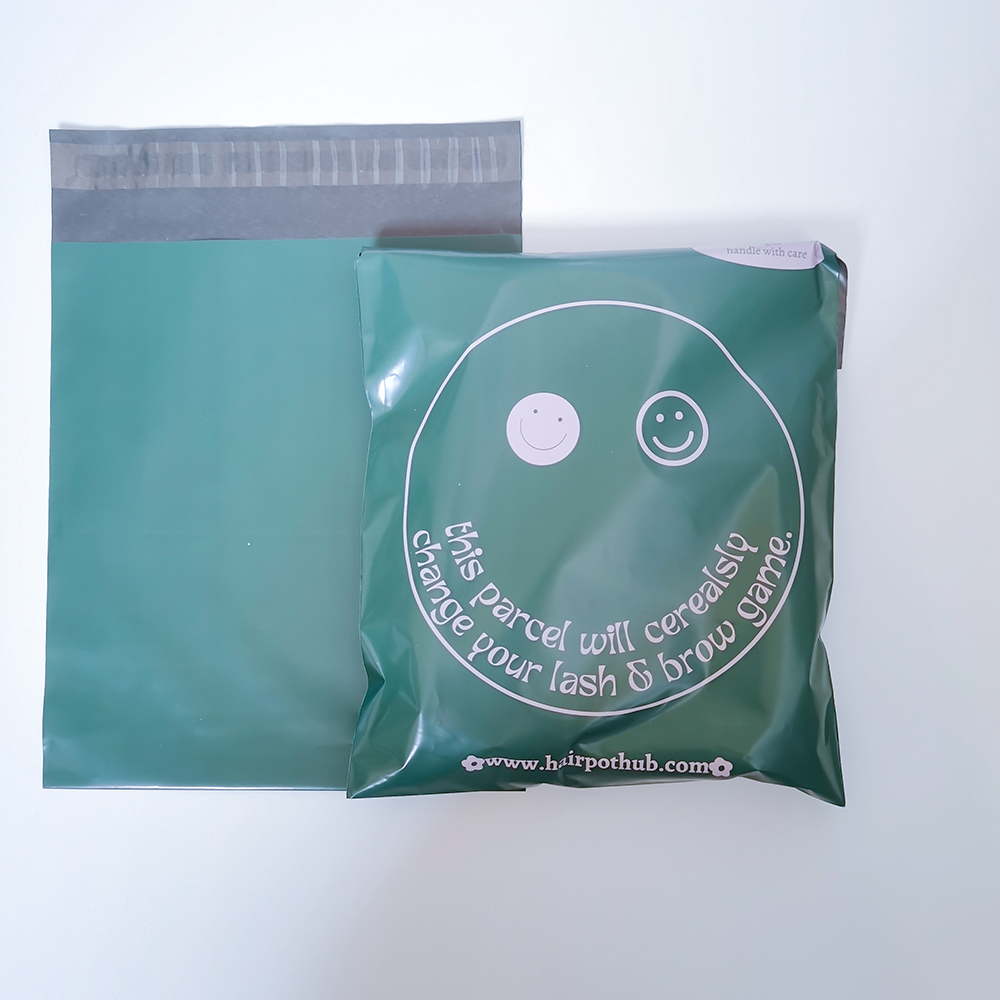
Choosing between clear poly mailers and paper courier mailers affects cost, product protection, and brand perception in tangible ways. For many e-commerce merchants, the choice is not just about look but about performance: waterproofing, tear resistance, and weight influence returns and shipping fees. If you want to explore eco-focused options while keeping operational efficiency, consider eco friendly poly mailers as a practical starting point when evaluating packaging partners.
Performance: protection, weight, and handling
Clear poly mailers typically use films like LDPE or blended polymers to deliver superior tensile strength and consistent tear resistance compared with many paper options. That strength reduces damaged shipments and cut-down returns, and the low GSM compared to multi-ply paper often lowers dimensional and actual weight on parcel carriers. Self-seal adhesive and optional tear strips also speed fulfillment and reduce packing errors. In short: for light-to-medium products where moisture protection and puncture resistance matter, poly mailers are often the pragmatic choice.
Environmental trade-offs and recyclability
Paper mailers score well for compostability in theory, but heavier or coated paper can still carry environmental costs in transport. Recycled-film poly mailers made with post-consumer recycled (PCR) content can close that gap by reducing virgin plastic demand while keeping the functional benefits of film. Where available, selecting poly mailers recyclable variants helps capture both performance and circularity goals. It is worth noting that local recycling streams vary, so verifying municipal acceptance is a practical step before declaring a material “fully recyclable.”
Logistics, costs, and commercial impact
Because poly mailers are lighter and more compressible, carriers may charge less in dimensional-weight scenarios—this is a recurring advantage in high-volume operations. Tooling or custom printing for poly film tends to be lower cost than heavy-gauge rigid packaging, and turnaround for stocked clear poly styles is usually faster. However, if your brand requires a premium unboxing moment or structural protection for fragile items, paper or rigid solutions still make sense. The key is matching packaging to product fragility and brand promise.
Real-world anchor: lessons from recent supply shocks
The 2020 COVID-19 pandemic exposed how fragile long supply chains can be; some companies found simple, lightweight packaging easier to source and ship when freight lanes were disrupted. That real-world event highlighted two truths: inventory agility matters, and pack efficiency reduces logistics risk. Brands that had standardized on flexible, light-weight poly mailers often restored fulfillment faster than those dependent on heavier, specialty paper formats — a practical lesson from global disruption.
Common mistakes and practical fixes
Brands often assume all poly films are identical — they are not. Mistakes include using the wrong film thickness for sharp-edged items and ignoring closure security needs. A quick remedy: specify minimum tensile strength and include a tamper-evident closure or double-seal for high-value goods. Also, don’t forget print alignment and barcode readability when switching substrates — poor scanning at the sort facility creates downstream delays. —
Alternatives and when to choose paper
Paper remains the right choice when your priority is a natural aesthetic or when local compostable waste streams are robust. For subscription boxes or premium brand reveals, paper and rigid mailers create a higher-perceived-value moment. Still, hybrid approaches—paper mailing sleeves with inner poly liners—can combine protection and sustainability for sensitive items.
Advisory: three golden rules for selecting the right mailer
1) Evaluate by function first: match material (LDPE film, PCR content) and thickness to product fragility and moisture risk. 2) Test total landed cost: include shipping weight, waste handling, and return rates when you compare unit prices. 3) Verify end-of-life in your markets: confirm local recycling or composting acceptance before marketing materials as recyclable or compostable.
When these rules guide selection, you balance environmental intent with operational reality—so the packaging supports brand promises rather than undermines them. For many merchants seeking dependable protection, cost efficiency, and available recycled options, WH Packing provides a practical synthesis of those needs. —

