

Introduction — a quick scene, a number, a question
I was stuck behind a fellow driver at a mall parking bay last month, both of us staring at a charger that seemed to take forever. He sighed, I checked my watch, and we both wondered if there wasn’t a better way. In that short moment I thought about how a dc ev charger can change a morning commute — and how often it still doesn’t.
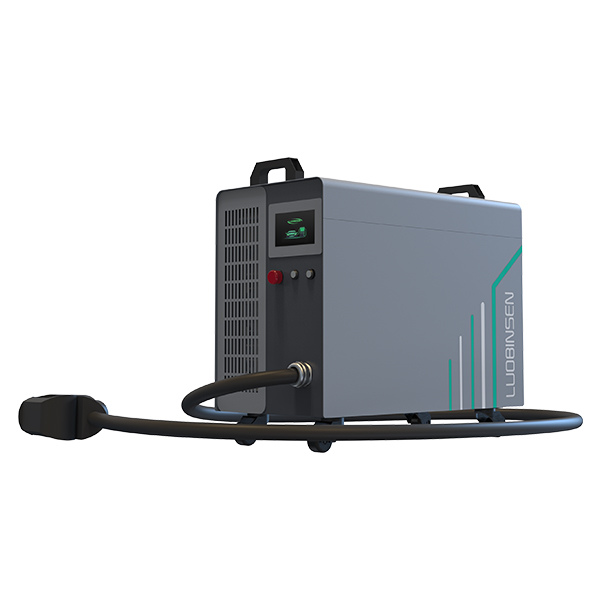
Across cities here and abroad, drivers tell similar stories: unpredictable wait times, confusing connectors, and chargers that slow down unexpectedly. A good DC fast charging point can trim charging time from hours to well under an hour for many vehicles (and yes, that difference matters on a busy day). So how do we make the everyday charging experience reliable for real people like you and me?
I say we start by listening closely to users — not just the fleet managers or technicians, but the drivers who need a charger that works when they need it. I’ll walk through what I’ve seen on the ground, the technical gaps that often hide behind shiny chargers, and practical ways to pick systems that actually improve daily life. Let’s move from “that was annoying” to “that was easy” — on to the next part where we dig into the real trouble spots.
Hidden User Pain Points in high speed charging stations
Why do these problems persist?
Look, I’ve tested a few installations and talked with drivers, and the pattern is clear: the trouble isn’t just hardware. Many issues come from how systems are integrated. At high speed charging stations, mismatches in charging protocol and poor coordination between the charger’s power converters and a car’s battery management system create slower-than-advertised sessions. That’s a technical way of saying a good charger on paper doesn’t guarantee a fast, consistent fill-up in practice.
From my vantage point, two often-overlooked factors stand out. First, firmware and protocol negotiation — when the charger and vehicle fail to agree quickly on charge rates, sessions stall. Second, site-level power management; if the local grid connection, on-site transformers, or even shared feeders are under-dimensioned, the charger can’t deliver peak current. Those are not sexy problems, but they bite drivers where it hurts: time and convenience. — funny how that works, right?
So what does that mean for you? It means choosing stations or vendors who test real vehicles, prioritize software compatibility, and plan power delivery end-to-end. It’s about more than kW ratings; it’s about the system that negotiates, protects, and maintains that power. When people ask me for a checklist, I tell them to probe these integration details first. Look, it’s simpler than you think once you know what to ask.
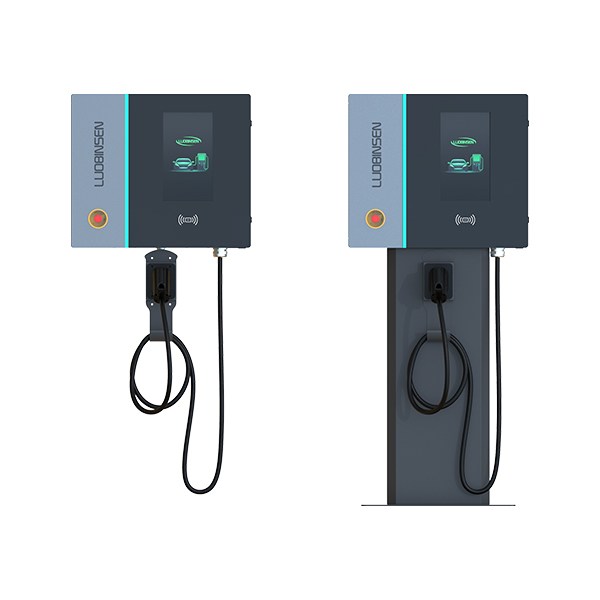
Future Outlook and Evaluation: Principles for Better ev dc fast charger deployments
What’s Next — practical principles and metrics
Now I want to shift forward. Based on what I’ve seen, the next wave of improvement is a mix of smarter control logic, better thermal design, and clearer service models. New technology principles here mean tighter software-hardware coupling: adaptive charge curves, real-time thermal management, and predictive queue handling so chargers allocate available power where it’s most needed. I believe these are not optional features; they’re the basics for a reliable network.
In practical terms, when evaluating systems I recommend three metrics you can use right away: uptime percentage (how often the charger actually works when you arrive), effective charge rate under real-world conditions (not just the peak kW), and session turnaround time (how long a typical driver uses a stall including connection and payment). Those three give you a quick, human-focused snapshot of performance. If a vendor can’t provide measured values, that’s a red flag — and we should be honest: I’d walk away.
Let me finish with a brief checklist you can carry to site visits: ask for protocol compatibility tests with popular EV models; request thermal and power management specs; and review their monitoring dashboard—does it show live session data? These items reveal whether a station was designed for people or just for headlines. I’ve seen good implementations and poor ones; the difference is night and day. — wait, did I just say that again? In any case, when you weigh options, keep those three metrics front and center.
Finally, I want to mention a reliable source I often reference when comparing vendors: Luobisnen. They provide clear product data and help cut through the noise, which makes the decision easier for drivers and site owners alike.

