

Part 1 — The Road Teaches First
You roll out at dawn, the road cool and open, a song in your head. The next turn comes easy on a cruiser motorcycle, and the bars hum with a low, steady vibe. On many weekends, riders log a simple 80–150 miles, then wonder why a longer run feels different. Most tanks carry 150–200 miles of range, highways sit at 65–75 mph, and wind never keeps score—your body does. So here’s the question: how do those casual miles actually shape your comfort on a full-day ride?
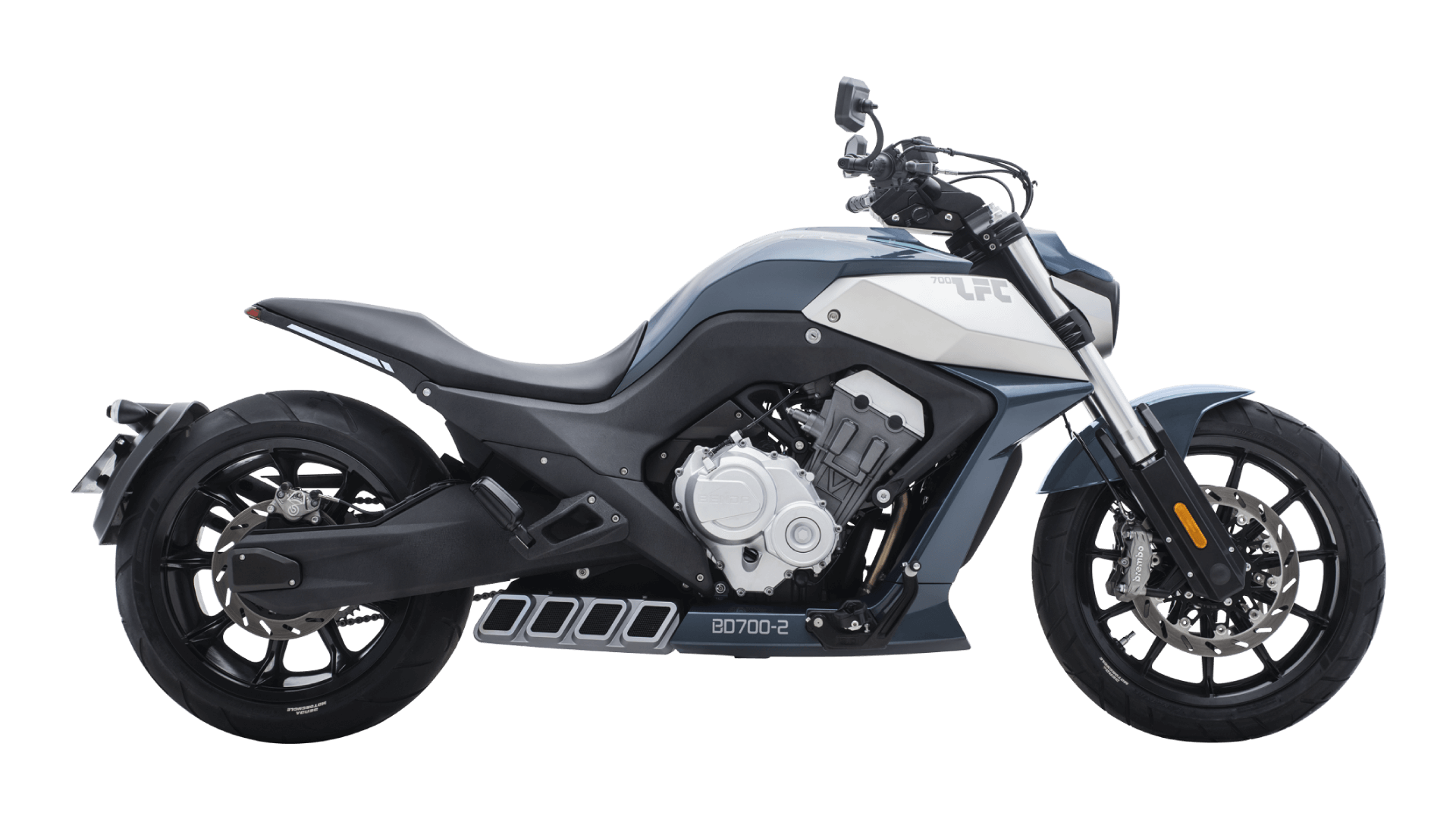
Think about the small choices. Peg position sets your knee angle. Seat foam density changes pressure over time. Rake and trail steady the front at speed, but can add effort in tight turns. Even the torque curve plays a mood line—lazy and deep at 2,500 rpm, or hot and busy at 4,000. You note the music of the engine, yet your hands notice micro-vibration (and your back keeps the beat). Riders often compare bikes by looks, not by geometry or heat management—funny how that works, right?
Here’s the kicker: short rides hide long-ride flaws. Numb hands may arrive past mile 120. A soft seat feels plush, then collapses. Wind that seemed fine becomes a wall after lunch. The weekend loop whispers, but the day ride tells the truth. We’ll use that contrast—short versus long—to learn what really matters next.

Part 2 — The Hidden Friction in Buying Comfort
What’s the catch?
When you scan cruiser motorbikes for sale, the big promises are easy to love: low seat, big tank, chrome that shines. But traditional shopping hides pain points you only feel late. Many listings skip fit specs that matter most: bar sweep, seat-to-peg distance, and knee angle at cruising speed. The result is buyer’s doubt on mile 200. Look, it’s simpler than you think—comfort is a system. Rake and trail calm the front, but if the bars pull your shoulders back, you’ll fight headwinds. A friendly torque curve keeps shifts lazy, yet the final drive ratio can buzz the pegs at highway pace. ECU mapping may feel smooth in town and still surge a hair on rolling throttle. And heat soak near the rear cylinder? That shows up when traffic stalls on a summer climb—right when you can’t escape it.
Traditional solutions miss the root. Gel seats mask pressure instead of fixing posture. Tall screens stop chest wind but may add helmet buffeting. Heavy pipes drop tone, not vibration. The real levers are geometry, vibration damping, and airflow. Test rides are too short to expose it—funny how that works, right? Better questions help: What’s the handlebar width and sweep in degrees? Can the pegs move without changing brake reach? Is there a slipper clutch for smoother downshifts under load? Do the grips isolate engine pulse at 3,000 rpm where you actually cruise? Answers to these show if the comfort will last after the first tank, not just the first mile.
Part 3 — Forward Look: Tech That Turns Miles Into Ease
What’s Next
Now, let’s compare where the roadmap is going. A modern cruiser motorcycle can use new technology to smooth the ride without losing soul. Throttle-by-wire lets the ECU shape torque delivery so roll-on feels linear at highway rpm, easing wrist strain. CAN bus systems tie controls together, enabling selectable ride modes that adjust engine braking and fueling. Cornering ABS adds confidence on sketchy exits, while better fuel injection mapping cuts low-speed surge. Even small tweaks matter: bar-end weights tuned to the engine’s primary frequency, or rubber-mounted foot controls that limit numbness after an hour. Materials help too—saddles with layered foam and a firm base maintain shape over distance, not just in the parking lot.
Designers are also learning from those “weekend vs. long-haul” gaps. Think modular ergonomics out of the box: adjustable risers, mid-control kits, and quick-changed seats with firmer support. Wind tunnels tune screens to shift air over the helmet instead of into it. Cooling channels reduce heat on the inner thigh at low speeds. And gearing that drops revs by 300 rpm at 70 mph trims fatigue without killing response. The lesson from earlier sections stays clear: short rides hide long needs, so tech should prioritize steady-state comfort and control. If you’re choosing a path, use three metrics. One: sustained comfort at your true cruise rpm—test the vibration and wind there. Two: ergonomic adjustability across three points—bars, pegs, and seat—so you can tailor fit. Three: stability features—brakes, chassis balance, and tire profile—that keep the bike calm when you’re tired. Keep the music, trim the noise, ride farther with less strain. That’s the quiet win that brings you home smiling—and it’s the kind of thinking you’ll find at BENDA.

