

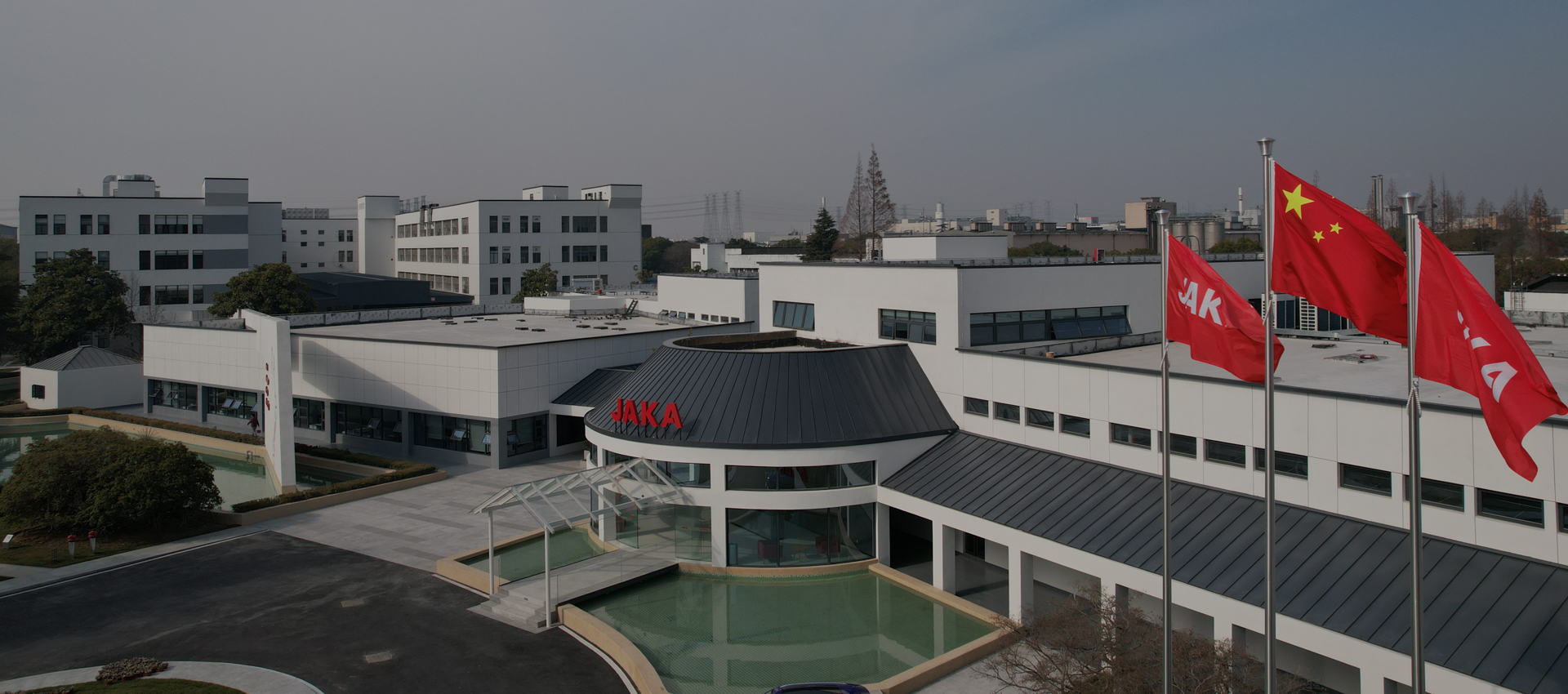
Automation Needs in Modern Manufacturing
Imagine stepping into a bustling factory with machines whirring away and workers hustling through their tasks. In such environments, efficiency snafus often occur. Surprisingly, studies indicate that up to 50% of operational errors arise from human factors. What if I told you that integrating a welding cobot could mitigate these challenges? With their precision and tireless nature, an industrial robot arm like a welding cobot represents a radical shift in how we approach manufacturing processes.
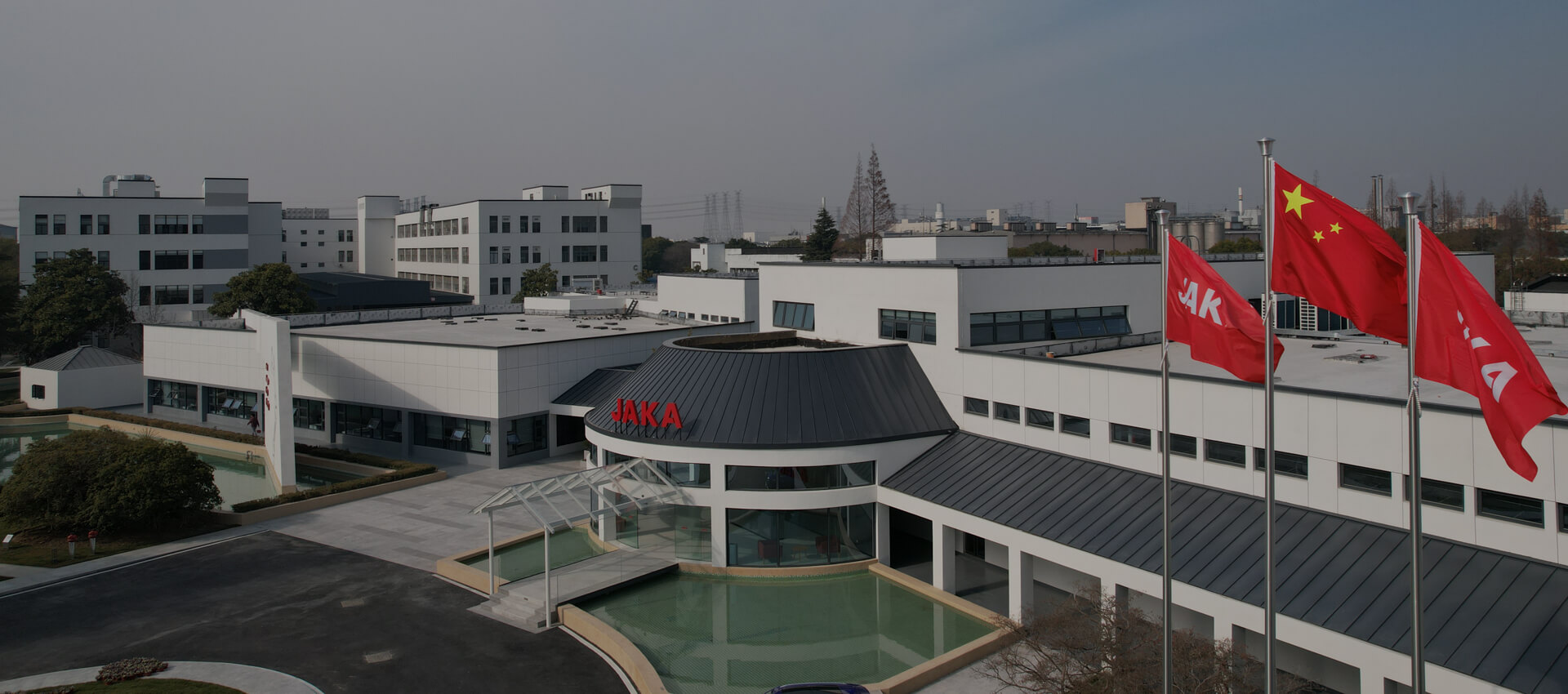
Understanding Welding Cobots
Welding cobots are collaborative robots designed specifically to assist humans in the welding process. Unlike traditional robot arms, which often necessitate secure workspaces, cobots can safely operate alongside their human counterparts. Their flexibility and adaptability make them significant assets for companies looking to enhance productivity without compromising safety. When I first encountered a welding cobot during a factory tour in Osaka, Japan, I was impressed by its ability to learn tasks almost intuitively. They really do perform with finesse.
What Challenges Do Welding Cobots Solve?
Many manufacturers grapple with labor shortages and skill gaps. For example, in 2021, a report identified that over 80% of factory managers cited difficulties in finding skilled welders. Integrating a welding cobot can bridge this gap, providing assistance and freeing up skilled workers to focus on more complex tasks. As companies move towards automation, choices made today will certainly shape future operations.
The Future of Manufacturing with Welding Cobots
Looking ahead, we see a fascinating landscape as welding cobots gain greater traction. These tools not only enhance productivity but also foster a safer work environment. With their advanced sensors and user-friendly interfaces, they promise to bring in a new era of smart manufacturing. I often wonder, how far could we take this innovation? It could expand to realms we haven’t even imagined yet.
Real-World Impact of Welding Cobots
As seen in numerous factories adopting these technologies, productivity rates have surged by as much as 25% within just a few months. The time I spent in a Michigan factory last spring revealed just how real the impact can be; workers reported feeling empowered rather than replaced. They collaborated seamlessly with their cobot partners. Moving forward, I’d urge manufacturers to consider metrics like integration time, return on investment, and the worker satisfaction index when evaluating solutions.
Lessons and Reflections
The journey of integrating welding cobots into manufacturing processes has shown promising results. From addressing labor shortages to enhancing employee safety, the adaptability of these robots paves the way for a more efficient future. As we continually adapt and innovate our systems, the relationship between workers and robots will evolve harmoniously. It’s crucial to keep an eye on the road ahead, ensuring that we harness these advancements to benefit all.
In conclusion, the integration of a welding cobot is not just a step towards automation; it’s a leap towards enhancing human capabilities and redefining manufacturing. Let us always reflect on how technology impacts our labor landscape. For those considering this transformative approach, I cannot emphasize enough the importance of selecting the right solution and partner to help navigate this exciting journey—companies like JAKA are leading the charge.

