

Introduction — a quick story, some numbers, and a question
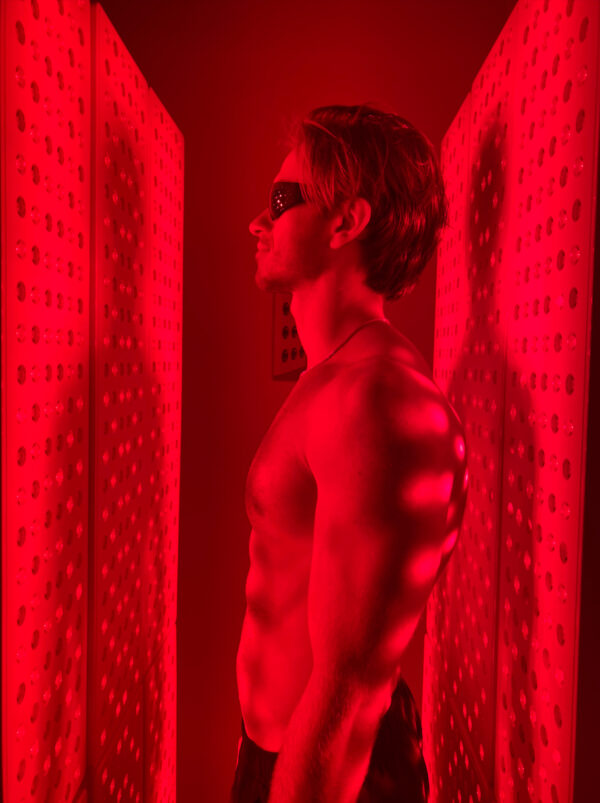
I was at a weekend clinic where clients queued for a quick recovery session after a surf comp; some swore by gadgets, others by old-school rest. In the second seat sat a red light bed, glowing away while a physio explained how wavelength and session time can change outcomes. Recent small studies suggest consistent photobiomodulation sessions can cut recovery time by up to 25% for soft-tissue aches, but many users still report mixed results. So why do some red light setups work like a charm and others feel like a fancy placebo? (Mate, it’s a fair question.)
I want to keep this simple and practical. I’ll walk through the practical pain points I see daily, dig into where common systems fail, and then look at what to watch for next. Let’s move on and unpack the messy middle.
Where the real issues hide: flaws in classic solutions
Why do users still struggle?
When I test an infrared light therapy bed, I don’t just check that it powers on. I look at the LED arrays, measure irradiance, and note the build quality. Too often, products skimp on dosimetry — the exact dose of light delivered — and users end up guessing session length. That matters because photobiomodulation depends on dose and wavelength. If either is off, results will be inconsistent.
Here’s what I keep seeing. First, manufacturers bake in one-size-fits-all settings. That seems neat, but it ignores body size and target tissue depth. Second, cheap systems promise high output but lack thermal management; LEDs throttle or degrade, so you lose effective power over months. Third, support is weak. No guidance on progressive dosing or contraindications. Look, it’s simpler than you think: a good system needs consistent irradiance, clear dosimetry, and serviceability. I feel strongly that ignoring these basics leads to disappointment — and wasted time and money.
Next steps: principles for new designs and smarter choices
What’s Next?
Looking forward, I favour two approaches: smarter engineering and clearer user metrics. On the engineering side, improving thermal management and using reliable power converters keeps output steady. Better LED arrays matched to the right wavelength deliver deeper penetration without extra heat. On the user side, clear dosimetry readouts — how much energy per cm² you’re getting — and simple progress tracking will change outcomes. When I talk to designers, I push them to build for repeatability, not just flash.
In practice, that means checking three evaluation metrics before you buy: 1) measured irradiance at use distance, 2) wavelength specification for your target tissue, and 3) evidence of thermal control and component quality. Use those metrics, and you’ll separate the hype from the helpful. — funny how that works, right? If you want a practical demo, try a structured test: timed sessions with logged results over four weeks. You’ll notice trends fast.
To wrap up, we’ve covered the messy reality, the technical pitfalls, and the practical metrics that matter when choosing an infrared light therapy bed. I recommend keeping things measurable, asking hard questions about dosimetry and thermal design, and favouring suppliers who share data. We’re not chasing miracles; we’re seeking reliable tools that help people recover faster. For hands-on kits and clearer specs, check out Magique Power.

