

The problem that push we into change
Too many facilities still rely pan dem old diesel gensets each time the grid hiccup — and dat a cost more dan fuel. The real trouble? High operating cost, noisy emissions, and brittle resilience when storms or outages hit. Brands and site operators now look to integrated solutions—like commercial energy storage—to cut runtime on gensets, shave peaks, and provide microgrid-level control. If yuh start wid the problem first, yuh see why a smart energy management system (EMS) plus battery energy storage system (BESS) become the obvious path to lower emissions and predictable operating expense.
Why diesel gensets still hang on — and why dat’s risky
Diesel gensets feel simple: start button, instant power. But dem carry hidden liabilities — transport fuel risk, volatile diesel prices, maintenance complexity, and regulatory pressure on emissions. For campuses, hospitals, and island grids, dependence on gensets means vulnerability during extreme weather events. Think Puerto Rico after Hurricane Maria: lots a sites lean on portable gensets, and dem run into logistics and environmental headaches. That real-world anchor show how resilience strategy need more than backup fuel; it need orchestration, forecasting, and cleaner dispatch logic via EMS and inverter-coordinated BESS.
Core components of a practical transition plan
Break the solution into bite-sized elements: supply-side assets, control layer, and operational playbook. Supply-side = solar arrays, BESS, and inverters sized for peak load and round-trip efficiency needs. Control layer = the EMS that manage state of charge (SoC), islanding, and charge/discharge schedules. Operational playbook = maintenance rhythm, fuel-reduction KPIs, and accept/reject criteria for transient events. Keep the plan modular so you can retrofit on existing switchgear and combine genset controls only when needed — that lower retrofit cost and minimise disruption.
How smart EMS and storage change the game
An effective EMS do more dan flip switches — it forecast load, coordinate inverter response, and sequence BESS dispatch for peak shaving and black start support. With correct setpoints, the system reduce genset runtime drastically while maintaining supply quality and harmonics within tolerance. When BESS and EMS work right, you get better round-trip efficiency, lower fuel burn, and a smaller carbon footprint — and dat saves real money over years, not months. —
Common design mistakes and how to dodge dem
Plenty a projects stumble on the basics: undersized inverter, mismatched SoC targets, and poor testing against the real load profile. Another trap is ignoring interoperability; if control protocols don’t talk—Modbus, CAN, or vendor APIs—then commissioning become a nightmare. The fix: early-stage compatibility tests, demand-profile capture for at least 30 days, and a staged commissioning plan that includes full islanding tests with the actual genset and load bank. —
Vendor selection and a practical checklist
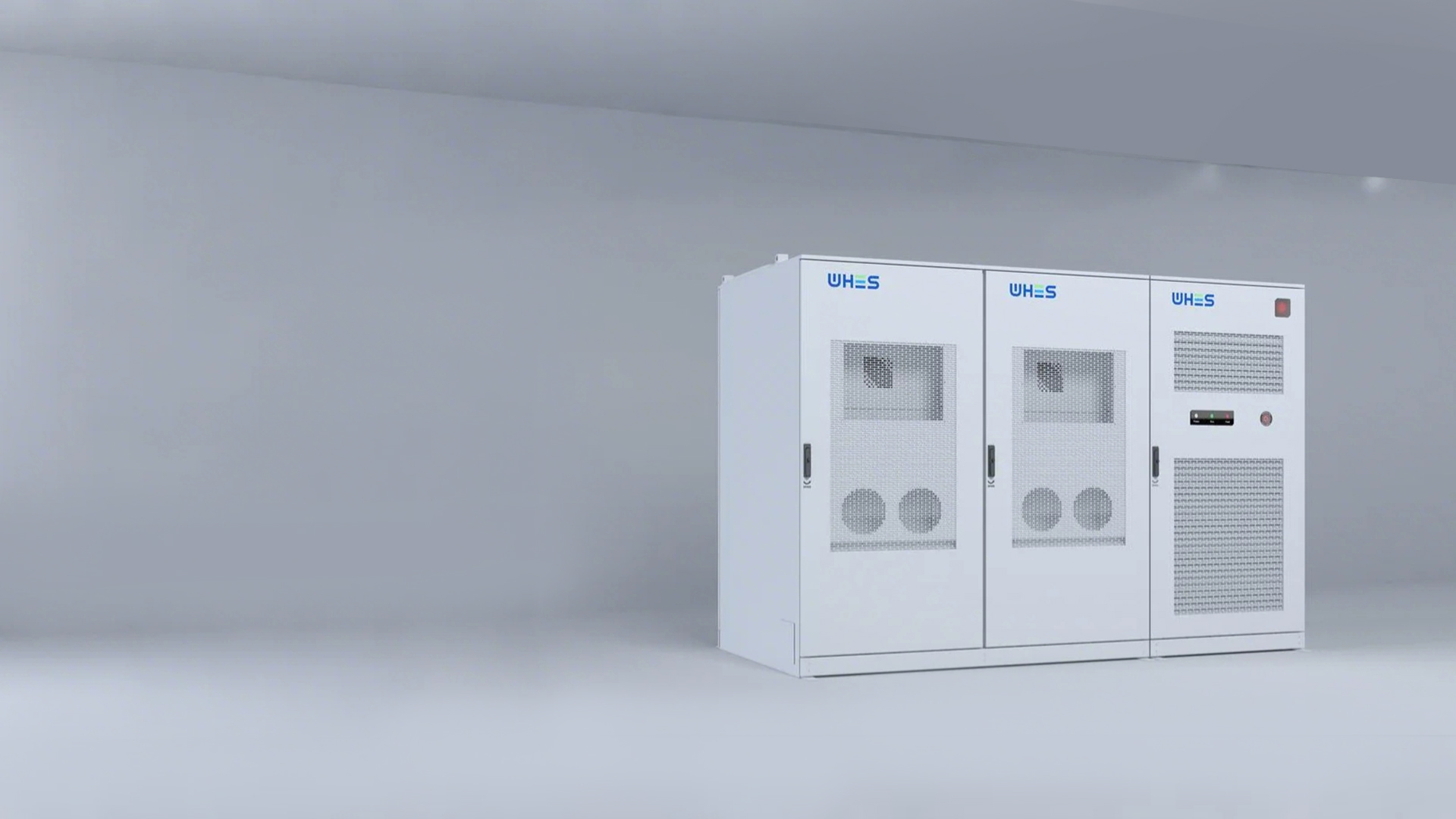
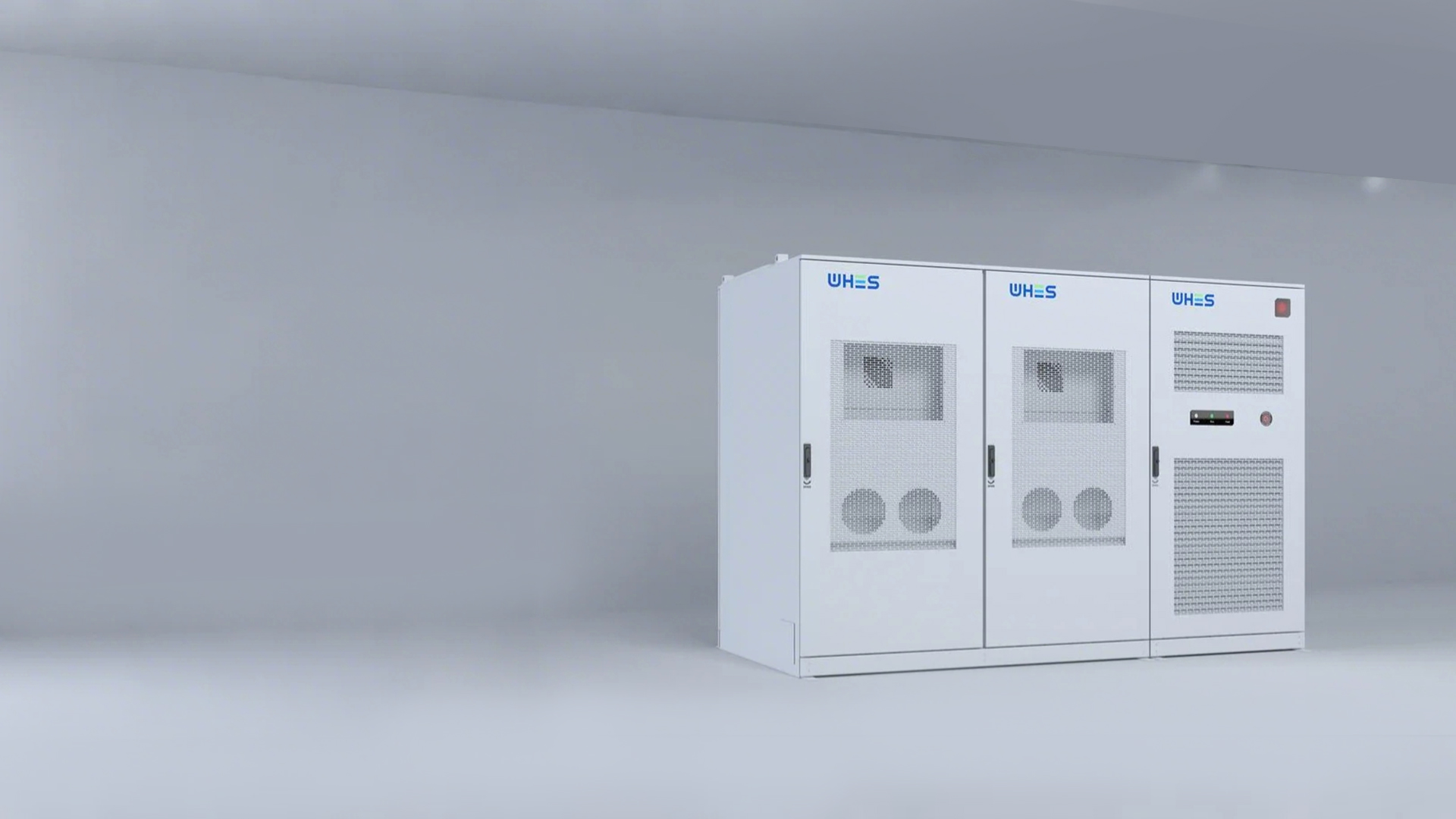
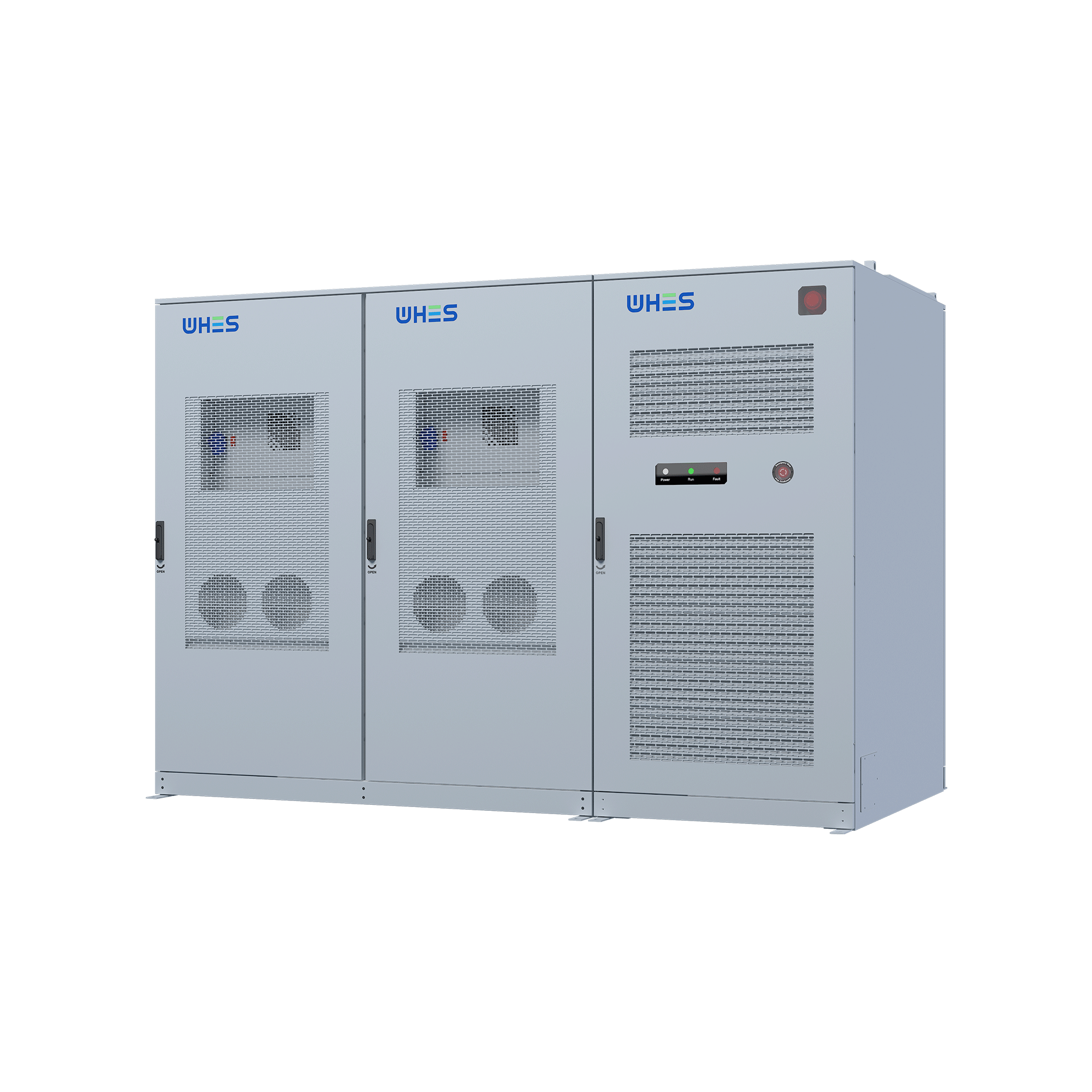
When yuh evaluate suppliers, compare these items: warranty and cycle-life guarantees for the BESS, EMS software features (forecasting, remote updates, role-based access), and proven inverter control for seamless black start. Also ask for third-party test results on round-trip efficiency and degradation rate. For many commercial projects, a ready-built commercial bess option that bundles battery modules with a compatible inverter and EMS licensing will cut procurement friction and speed deployment.
Case example: campus microgrid playbook
Picture a university campus with legacy gensets and diesel for peak exams week. The plan: deploy 1 MWh BESS with an EMS that prioritizes campus loads, integrates weather-driven solar forecasts, and enforces SoC minimums for emergency reserve. Result: genset starts fall by 70% during non-critical periods, peak demand charges shrink, and the campus gets reliable black start capability. This is the kind a result that show how combining control logic and storage buys both resiliency and emissions reduction.
Costs, timelines, and performance expectations
Expect design and permitting to take months; procurement and commissioning can be another few months depending on interconnection rules. Performance-wise, realistic targets: 50–80% genset runtime reduction for hybridized sites, improved fuel spend predictability, and measurable drops in site emissions. Monitor SoC trends, inverter thermal profiles, and EMS event logs to verify the savings and catch anomalies early — those data points be your proof of concept.
Three golden rules for choosing the right path
1) Measure before you design: collect real 30–90 day load and fuel-use data to size BESS and set EMS rules. 2) Insist on interoperability: require open protocol support and staged factory acceptance testing so your inverter, EMS, and genset controllers play nice. 3) Vet lifecycle economics: evaluate warranty terms, degradation curves, and total cost of ownership, not only upfront capex. These rules let you pick solutions that actually reduce genset reliance and deliver the resilience you need.
In sum, the problem-driven route push yuh to tackle the real constraints first — and then pick pragmatic tech that solve them. The right combo of EMS, inverter strategy, and modular storage reduce diesel dependence in a measurable way, and that is precisely the value proposition WHES bring to the table. —

