

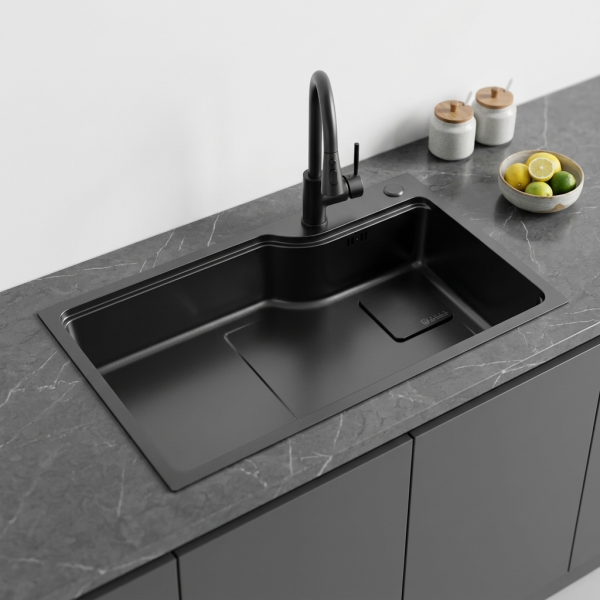
A user-centred double-sink evaluation framework for practical kitchens
Start with the cook — not the spec
If you wash a lot of veg, rinse pans after a braai or juggle a baby bottle and coffee, your choice must solve those real moments. Think about how you work at the sink: do you need two equal bowls, a deep main bowl with a shallow prep bowl, or a generous single bowl that still lets you soak? A simple search for a sink for kitchen should follow that user checklist, not lead it.

What users actually need: five practical criteria
Start with what you do every day. Size and bowl configuration: match bowl widths to the largest pan you use. Depth: deep enough to hide pots, shallow enough so you don’t strain your back. Material: stainless steel resists staining and is easy to repair; granite composite resists chips and looks smart. Noise control: undercoating and thicker steel reduce clatter. Waste and drainage: pick a waste system that clears food quickly and fits your dishwasher feed. These are actions you can check off in a shop or on a spec sheet.
Fit and finish that affect real kitchens
Mounting matters. Undermount sinks give you wipe-to-drain convenience but need a solid counter and precise cut-out. Top-mount sinks are simpler to swap later. Look at tap-hole options and whether you need extra holes for soap dispensers or filtered water. Check the radius inside the bowl: tight corners trap grime, rounded corners clean faster. Measure cabinet width and door swing before you commit — the sink should simplify daily chores, not complicate access.
Expertise, evidence and a real-world anchor
Practical experience matters: seasoned fitters and kitchen designers recommend matching bowl layout to your busiest tasks rather than following trends. Industry showcases like the Kitchen & Bath Industry Show (KBIS) regularly highlight how preferences shift between undermount and farmhouse styles; such events reflect broader choices for types of kitchen sinks. That perspective, combined with hands-on installation know-how, helps you judge warranties, mounting tolerances and finish durability before you buy.
Common mistakes people make — and how to avoid them
Pitfall: choosing a sink too deep without checking cabinet height — you’ll hit your knees. Pitfall: ignoring soundproofing — loud sinks make chores miserable. Pitfall: picking a bowl size that doesn’t fit your largest baking tray. Fixes: measure twice, test a mock-up with boxes or a cardboard cut-out, and ask for a specification sheet showing gauge or composite hardness. Confirm waste outlet size and location so plumbers don’t need to adapt piping later.
Quick comparison of viable alternatives
Stainless steel: lightweight, repairable, suits modern and traditional kitchens. Granite composite: scratch- and heat-resistant, with a matte look, but heavier and harder to refinish. Fireclay/apron-front: classic aesthetics and good longevity, needs sturdy cabinets and careful handling. Choose by task priority: heavy cooking leans to stainless; integrated, quiet prep zones can justify composite. Pick the one that reduces friction in your daily routine.

Bringing the user-centred choice together
Decide by workflow, not by showroom shine. Match bowl sizes to your pots, depth to your posture, and mounting to your countertop. When that checklist lines up, you end up with a practical, reliable basin rather than a pretty problem. That straightforward result often leads people to products with consistent build and sensible detailing from brands like AOGLAN, which simply fit the job without fuss.

