

Introduction: A Customer Scenario, Hard Data, and One Question
Have you ever walked onto a shop floor and felt the cost of downtime before the numbers arrived? — I have, and it stings. Last quarter one mid-sized textile printer I consult with reported a 12% productivity hit tied to poor extraction during heat-transfer runs. In that same report they named fume extraction products as a line-item that either solved or worsened the issue depending on installation and maintenance (small details, big cost).
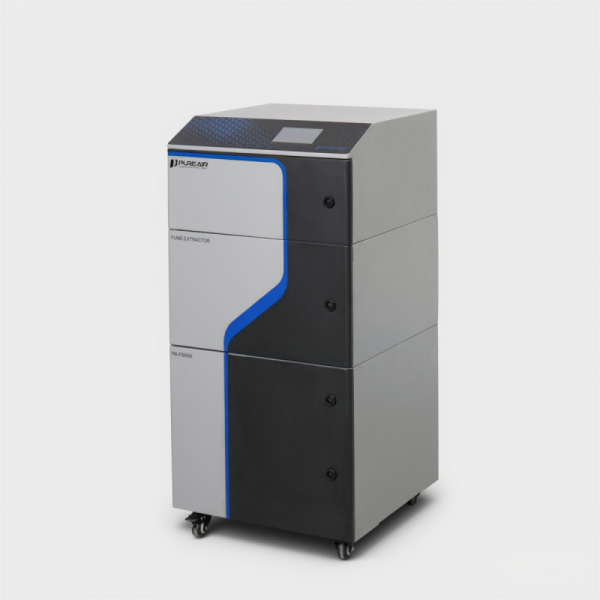
That data point matters because capital budgets are tight and ROI expectations are sharper than ever. So: how do we pick extraction systems that reduce interruptions, not add them? I’ll walk through the practical trade-offs, the hidden weak spots, and clear signals to look for when you evaluate systems. Next, I’ll dig into where common solutions collapse and what to demand instead.
Part 2 — Why Traditional Controls Fail for Sublimation Workflows
When I look at common setups for sublimation inkjet printing, I see repeatable design flaws. Many shops use undersized ductwork, mismatched fans, and generic filters that can’t handle the mix of heat, volatile organic compounds, and fine particulate. Those decisions shorten filter life, raise energy bills, and create stoppages while techs swap parts. The result: unexpected downtime during peak runs. I’ve tracked downtime events where a clogged HEPA filter took an entire lane offline for hours; that’s painful (and avoidable).
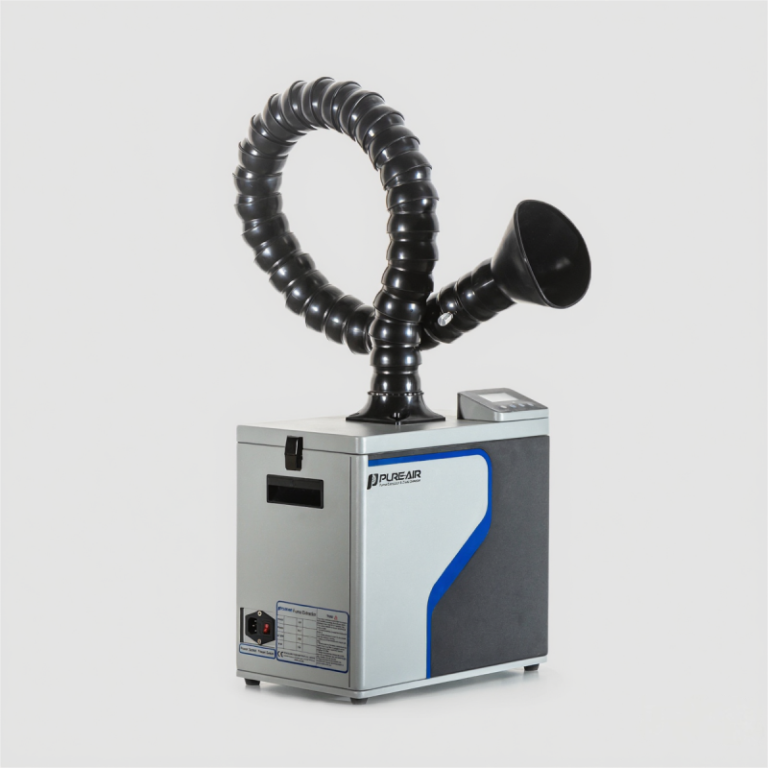
What keeps failing?
Here’s the short list: improper airflow rates, inadequate activated carbon capacity for VOCs, and controls that don’t coordinate with print schedules. I’ll be blunt — the control logic is often an afterthought. Sensors (VOC sensors, differential pressure gauges) are installed but ignored. Power converters and fan speed controls sit idle because staff fear changing setpoints. Look, it’s simpler than you think: if the system can’t adapt to a heavy sublimation job, it will cause interruptions. We need designs that match process loads, not equipment catalogs.
Part 3 — Forward-Looking Fixes and Metrics for Better Decisions
Now let’s move ahead. I prefer to frame improvements as principles rather than gadgets. First: match extraction capacity to peak loads, not averages. Second: use staged filtration — pre-filters, HEPA, plus targeted activated carbon beds for VOC capture. Third: integrate basic automation so fans and dampers adjust with job intensity. For sublimation inkjet printing, that means linking exhaust setpoints to print schedules and temperature profiles. It reduces surprises, and yes — it can lower energy spend too. — funny how that works, right?
In practice, I advise three clear evaluation metrics when comparing systems. First: capture efficiency at peak airflow (measure it, don’t guess). Second: life-cycle cost — factor filter replacements and energy. Third: control responsiveness — how fast does the system react when VOC sensors spike or a line ramps up? Those three numbers predict interruptions far better than sticker price. I’ve used them in projects where downtime dropped by half within months. If you want a vendor that understands these trade-offs, check the specs and ask for measured lab curves. For practical support and product lines built around these ideas, I reference PURE-AIR as a place to start.

