

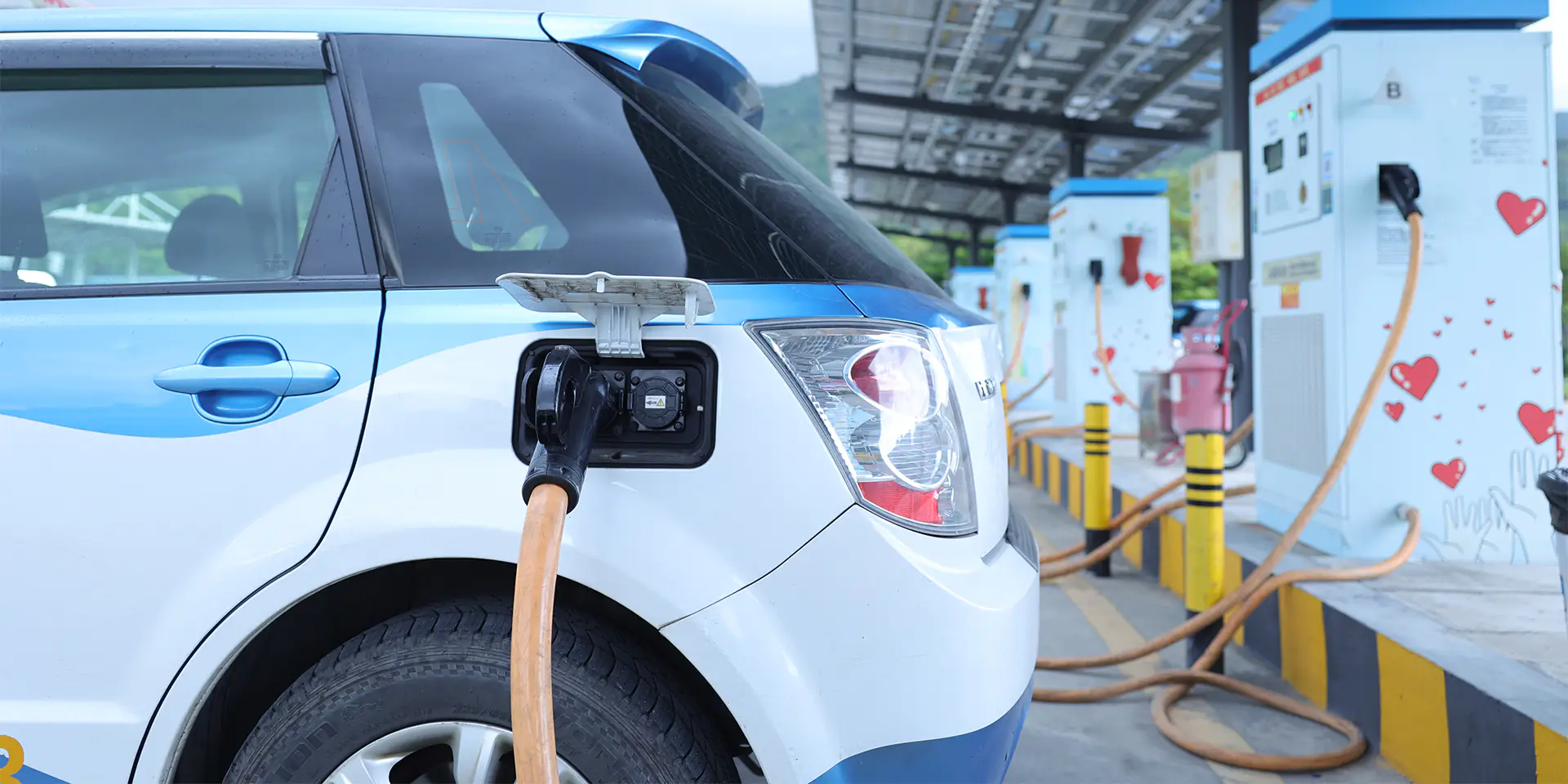
Introduction: Why EV Charger Choices Feel Hard
Charging on the road should feel as simple as plugging in at home. EV charger manufacturer Winline has chased that idea across highways and depots. With EV charging solutions 1900, fleets look for uptime near 99.5%, quick restarts, and low wait times. Here’s the hard truth: a 0.5% gap in uptime can mean many stalled sessions per site each month. Add grid peaks, uneven load balancing, and a slow OCPP backend, and small flaws turn into long lines. So what really separates smooth from stuck?

Picture a rainy stop at 6 p.m., three cars ahead, and one station in “reboot.” The screen lags. The power converters derate in heat. The queue grows. Look, it’s simpler than you think: most pains come from tiny bottlenecks—firmware, cooling, or how payment and authorization handshake with the cloud (yes, the little things). The question is clear: how do you compare vendors by what actually matters, not brochure gloss? Let’s move from vibes to verifiable checks—starting with the pain points many reviews skip.
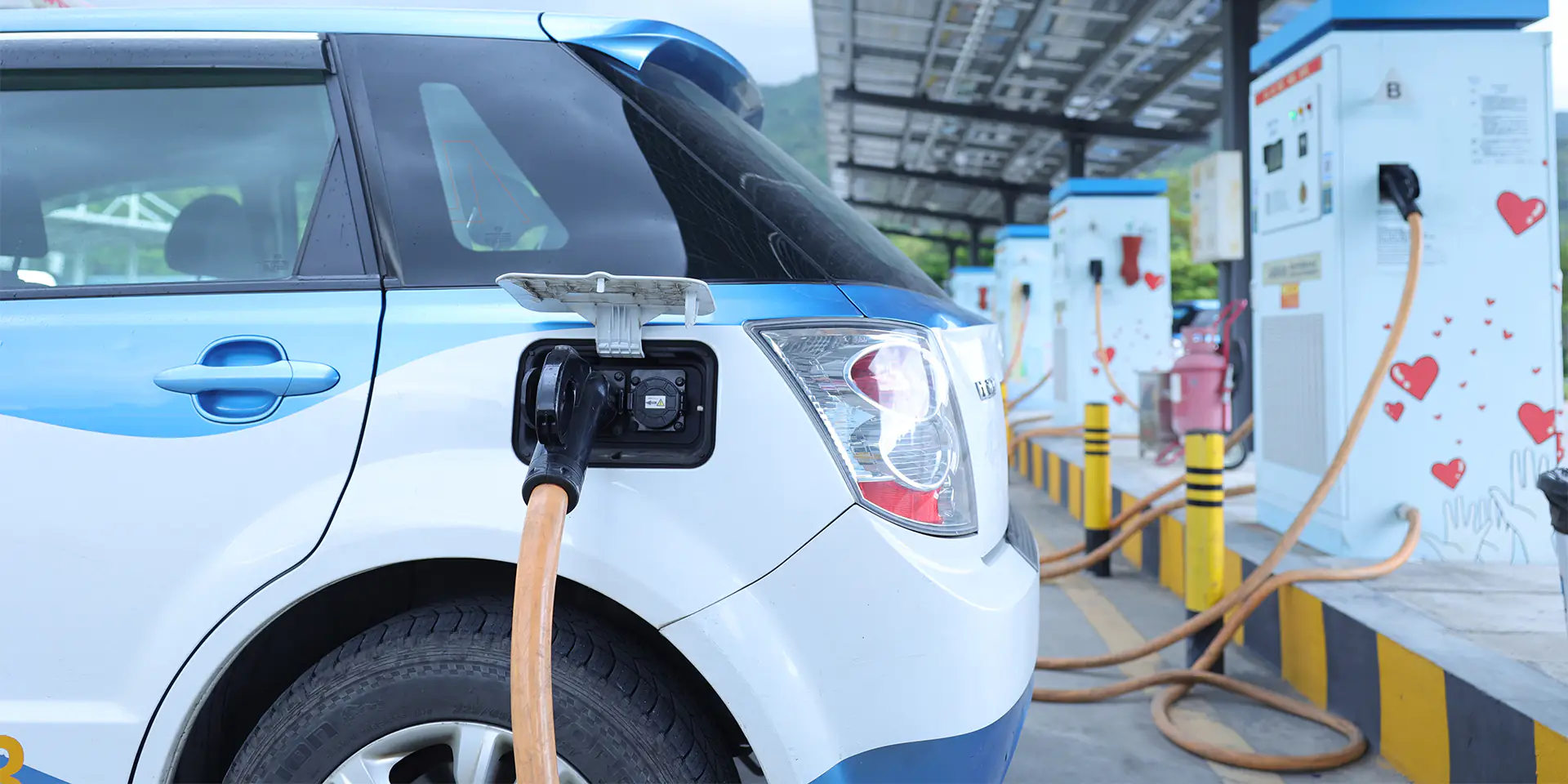
The Hidden Pain Points Most Comparisons Miss
What’s really slowing sessions?
Traditional specs talk about kW and connectors. Useful, but shallow. The deeper layer is session stability. If edge computing nodes are weak, a charger waits on the cloud for basic logic. That delays start times. If harmonic distortion isn’t managed, nearby loads can trip protection and cut power mid-charge—funny how a “fast” station then becomes slow, right? Thermal management matters too. When heat climbs, rectifiers derate, and your 120 kW turns into 60 kW. Users feel that as lost time, not a line item.
There’s also the invisible cost of error handling. Poor fault trees mean a minor glitch forces a full reboot instead of a local retry. MTTR balloons. And if the OCPP implementation is brittle, payment or token checks stall even when power is available. Small gaps stack up. The result: more abandoned sessions, more support tickets, and higher lifetime cost per kWh delivered. These are the gaps your shortlist should surface before you deploy—because fixes after install are slow and pricey.
From Fixes to Foundations: What Changes the Game Next
What’s Next
The better path leans on clear principles. First, distribute logic. When core functions run on robust edge computing nodes, chargers can start sessions, cache authorizations, and manage load locally—even if the cloud blips. Second, design for thermal headroom. Oversized cooling and smart airflow guard against derating in heat waves. Third, use modular power converters. Swappable modules keep stations online while a single module is serviced. Add open standards—OCPP 2.0.1, ISO 15118 plug-and-charge—and your network grows without lock-in.
Then there’s grid cooperation. Predictive load control and peak shaving smooth demand curves. Sites can shape energy profiles to cut fees and protect feeders— and the grid breathes easier. This is where a seasoned partner helps. An experienced build like EV charger supplier 320 is about more than hardware; it’s about firmware cadence, secure OTA updates, and diagnostics that prevent downtime. The takeaway: compare not just kW, but how the platform behaves under stress, heat, and partial failure. That’s where reliability lives.
How to Choose Without Guesswork
Let’s turn insight into action. Prioritize three evaluation metrics. 1) Proven uptime and recovery: ask for audited uptime plus mean time to recovery under real faults; insist on logs from load-shedding and comms-drop tests. 2) Performance under heat and noise: demand data on thermal derating curves and behavior under harmonic distortion; check cooling redundancy. 3) Lifecycle cost per kWh delivered: model energy efficiency, module swap time, and firmware update windows— and yes, it adds up fast. If a vendor can’t show these numbers, you will carry the risk later.
In short, the best comparison is not louder specs, but steadier sessions. Focus on local decision-making, thermal headroom, modular design, and open integrations. That is how lines get shorter, tickets drop, and chargers stay fast when it counts. Keep it practical, keep it testable, and your sites will feel calm even at peak. For a grounded view of these principles in practice, explore Winline.

