
Intro: A Quick Tale, A Hard Number, And A Big Why
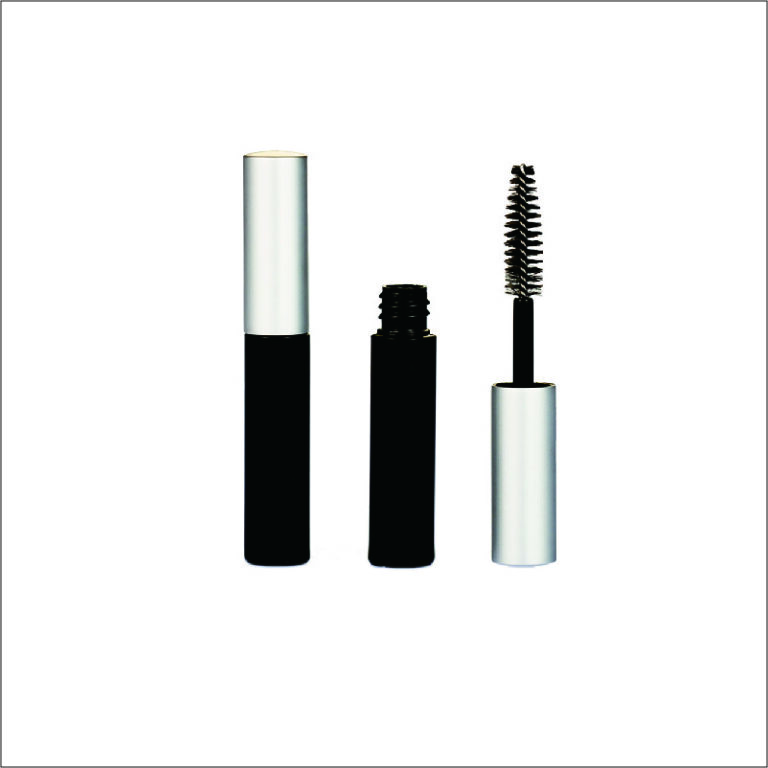
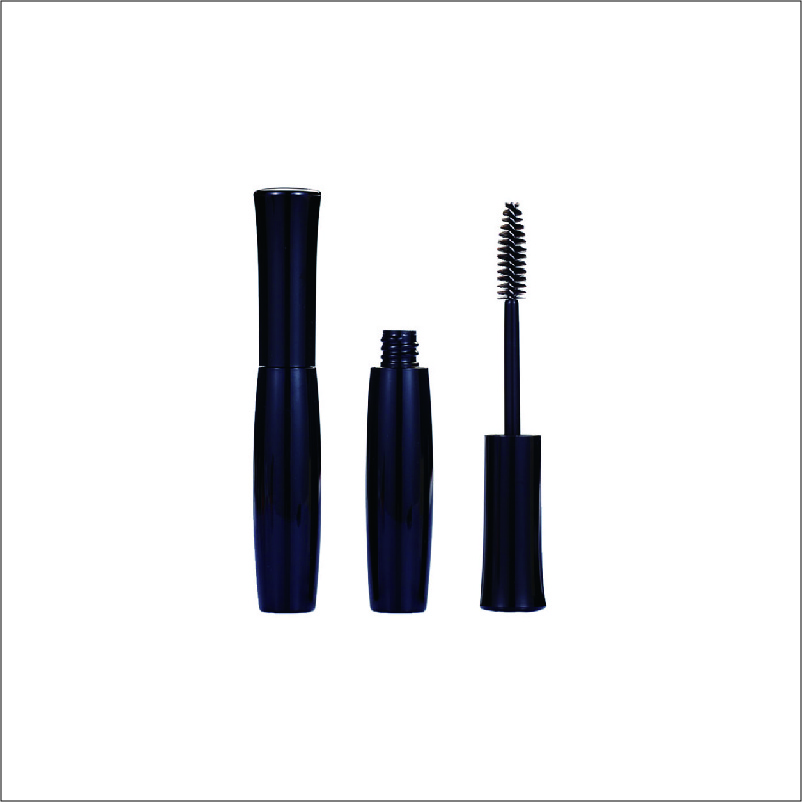
It starts simple: a Joburg indie brand needs stock before a promo weekend, so they rush a reorder. They go for empty mascara tubes wholesale, comparing prices and delivery dates while the clock ticks. In the mix, they skim a shortlist for mascara tubes wholesale—check a spec sheet, nod, and send the PO (yebo, we’ve all done this). Two weeks later, 11% of units show micro-leaks, 6% have loose caps, and the brush feel is off. That’s a return rate that eats margin and trust, bru. So, what tripped them up when the numbers looked right on paper?
Here’s the kicker: the problem was never just the price. It was the unseen details, the test methods, and the way they compared options. If you’ve felt that sting, you’re not alone. Let’s move from surface checks to the real levers that decide whether your tubes perform or flop.
Part 2: The Deeper Mismatch Behind “Good Deals”
Why do smart buyers still get stuck?
Because the classic checklist is too shallow. A quote, a sample, and a delivery estimate do not tell you if wiper durometer (Shore A) matches your brush stem, or if cap torque stays stable after thermal cycling. Traditional sourcing treats tubes like a commodity, not a system. But a mascara pack is a system: barrel geometry, wiper fit, rod flex, PBT brush fibers, and resin grade all interact. If injection molding tolerances drift by even 0.1–0.2 mm, the seal shifts. Then micro-leaks show after transit—funny how that works, right? And when MOQ pressure cuts corners on AQL sampling, your “savings” turn into rework.
Look, it’s simpler than you think: upgrade the way you compare. Ask for data from drop tests, torque retention, and vacuum leak checks. Match resin choices (PP, ABS, or PCR blends) to finish processes like UV coating or hot stamping, because poor adhesion is a silent fail. Confirm wiper material vs ink rheology; a mismatch thickens payout and ruins glide. And don’t ignore the brush-wiper combo. The right POM wiper can stabilize payout by 10–15% across fills. Price is one line. Performance curves, test protocols, and fixture drawings are the lines that matter.
Part 3: What’s Next—From Price Tags To Proven Systems
Here’s a quick case shift and a forward look. A Cape Town startup moved from vendor roulette to a system-led approach with a vetted mascara tube supplier. They ran a three-pack pilot: standard PP barrel vs PCR blend; wiper at 55 vs 60 Shore A; and two cap designs with different knurl depths. Over four weeks, they tracked leak rate, cap torque drift after 48-hour heat soak, and payout consistency per 10 strokes. Result? The PCR blend with a 60 Shore A wiper cut leaks to under 1% and kept label adhesion clean post-UV curing. Same budget band, different results—because the comparison moved from price to principles.
Forward-looking, expect faster DFM loops and traceable QC. Digital fixtures can log torque curves per lot; inline vision can flag flash from an injection gate before packs ship. Resin mapping will matter too, as more brands shift to PCR without sacrificing barrier performance. The playbook is evolving from “Who’s cheapest?” to “Who proves fit-for-formula?” That’s the comparative edge. Keep the tone steady, keep the tests repeatable, and keep asking for real numbers (not vibes). And if you want a practical filter before your next buy, use three simple metrics: 1) leak rate under heat/pressure, 2) torque retention after 100 open-close cycles, and 3) payout variance across a full fill run—measure, don’t guess. That’s how you turn empty tubes into reliable product stories—funny how that works, right? In the end, it’s about partners who treat packaging as a system, like NAVI Packaging.

