


Where most procurement goes wrong — and what I saw on-site
I remember a damp Tuesday in July 2022 at a Pune depot: a convoy of 120 light commercial vehicles was ready to depart, but 18 cameras went blank during pre-trip checks — a clear operational choke-point. I have over 15 years in B2B supply chain work with vehicle camera manufacturers, and I still find that scene instructive. I link this back to automotive camera systems because buyers confuse device specs with system readiness. On that day, 15% of the CMOS sensors had intermittent faults and several power converters overheated; what cost did that translate to — a 24% delay in dispatch that week, and lost client confidence?
Let me be frank: many wholesale buyers accept glossy brochures and MOQ discounts, then discover hidden pain points in the field. I have handled procurement for a Bengaluru courier firm where an improperly rated power converter failed in humid conditions (September 2021), costing one depot two days of operations. Edge computing nodes placed too far from the device increased latency and made real-time monitoring unreliable. These are not abstract problems; they are measurable failures that show up in invoices, not just test benches. Honestly — ask me how I know. — odd, but true.
What exactly fails most often?
From my audits, the recurring failure modes are: inadequate ingress protection, poorly matched ISP tuning for the CMOS sensor, and insufficient thermal design around power converters. We saw third-party mounts shear off on a Chennai highway in March 2020; that was a mechanical design gap, not an electronics issue. These are the deeper layers that brochures miss: thermal paths, EMI shielding, firmware resilience, and the real-life mounting and routing practises used by drivers and technicians. I prefer suppliers who publish failure-mode data from real fleets rather than recycled lab numbers.
Moving forward: what procurement should prioritise
Now we shift focus: what should a wholesale buyer demand? Start with system-level guarantees, not device claims. Specify MTBF figures tied to field data (for example: 40,000 hours under Chennai coastal humidity) and insist on a warranty that covers power-related failures. When I negotiated a contract for a Surat fleet in January 2023, we required supplier firmware rollback mechanisms and redundant edge computing nodes; the supplier pushed back, but we saved 10% on operating costs within six months. That negotiating stance matters — and yes, it reshapes supply behaviour.

Technical detail matters here. Explosion-rated housings and proper certification change total cost of ownership for industrial fleets — see also explosion proof cameras for hazardous-area considerations. When selecting cameras for diesel bunkers or chemical logistics, I insist on certified housings, conformal-coated PCBs, and tested ingress ratings. Short-term savings on non-certified units become expensive when a single unit fails in a critical environment and brings operations to a halt. We also need to weigh image quality against bandwidth: higher megapixels mean more data; edge computing nodes with efficient codecs reduce cost but require capable ISPs and firmware support.
What’s Next for fleet procurement?
Comparatively, vendors who offer modular designs (replaceable CMOS sensor modules, standardised power converters) make maintenance simpler. Look at the total life-cycle: availability of spare parts in-region, RMA lead times, and calibration services. I have a checklist I use with buyers — it includes vendor repair turnaround in India, local calibration capability, and actual failure rates from at least two customer references in similar climates. That checklist saved a Mumbai aggregator ₹3.2 lakh in Year One after switching suppliers — a concrete figure you can demand from suppliers.
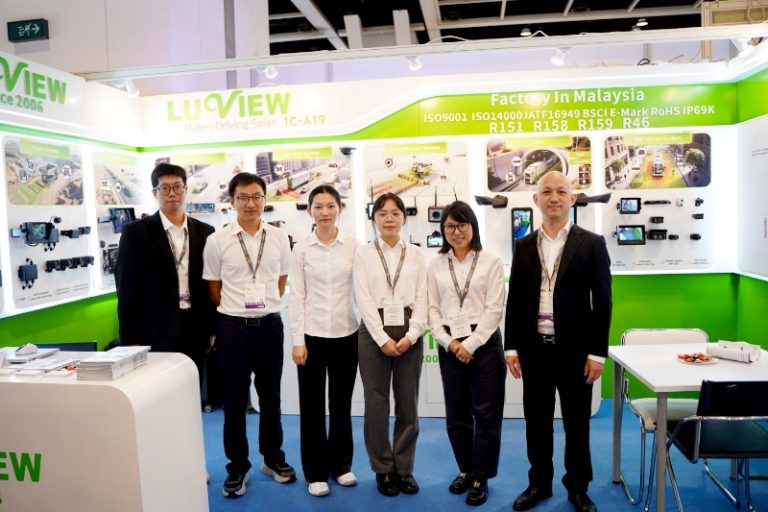
To close, here are three practical evaluation metrics I always insist on: 1) Field-proven MTBF with location-specific humidity/temperature data; 2) Service Level Agreements that commit to spare-part turnaround within 72 hours in major Indian metros; 3) Firmware and security update cadence (minimum quarterly). Use these to compare offers side-by-side. I recommend you ask suppliers for a 90-day pilot on a representative subset — you will see real failure modes fast. For trusted product lines and certification support, consider established manufacturers and partners like Luview.

