

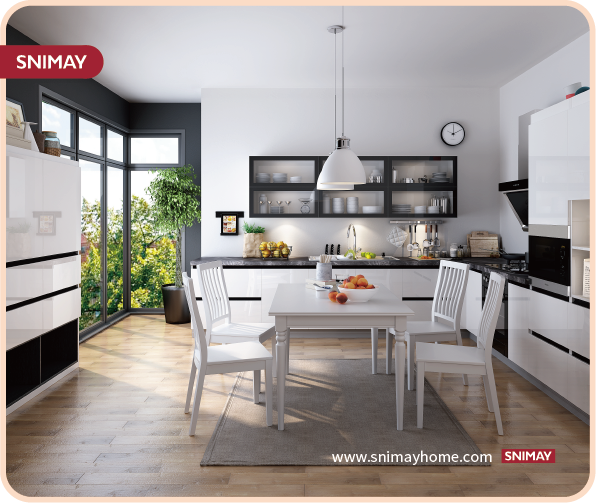
Start with what you actually need — not what looks good on Pinterest
Listen, if you live in a tight NYC pad you care about function first. I’m talking real layouts — the Brooklyn walk-up I stayed in had a 7-foot galley kitchen, zero wiggle room, but plenty of heart. Start by listing daily moves: where you prep, where you stash groceries, and where you hide the garbage. From there, decide if stainless-look cabinets are the move for you. For many, a thermofoil kitchen cabinets finish gives that sleek metal vibe without the upkeep of real steel, plus it nails durability on a budget.

Measure, map, and marry finish to flow
Measure twice, cut planning once. Put tape on the floor for appliance clearances, note swing radiuses for doors and drawers, and mark vertical zones for shelves. Think of cabinet carcass depth and intend for accessible storage: a 12–15″ pull-out pantry near the stove, shallow 6″ spice racks on the side of a cabinet. Choose a laminate finish that resists fingerprints and a PVC substrate that handles humidity — both matter when you ain’t got space to spare.
Storage moves that change how you live
Make storage do heavy lifting. Here are simple, high-impact swaps that actually improve a kitchen’s utility:- Convert a lower cabinet into deep drawers with soft-close hinges and organized dividers for pots and pans.- Fit vertical knife rails, plate racks, and pull-out trash bins into narrow gaps.- Use toe-kick drawers and over-sink shelves to reclaim lost inches.These aren’t gimmicks. They’re operational upgrades that reduce countertop clutter and speed up meal flow — which matters when you’re cooking on a weeknight and need every second back.
Why thermofoil and custom solutions often win in small homes
For tight builds, thermofoil hits sweet spots: consistent color, easy cleanability, and cost predictability. If you want a tailored vibe, consider custom thermofoil kitchen cabinets — they let you specify door profiles, edge banding, and internal layouts so the cabinets fit the room, not vice versa. Custom doesn’t always mean wild price; it means you avoid wasted space and the headaches of off-the-shelf compromises.
Installation realities and common mistakes to dodge
People sleep on the leveling work. If units aren’t plumb, doors bind and drawers jam. Use shim stacks behind the cabinet carcass during install, anchor into studs, and pre-fit hardware. Don’t overstuff deep shelves — that’s a visual and weight problem. Also, resist the urge to overspec handles and knobs; slimmer profiles keep sightlines open in compact kitchens. — Little tweaks like consistent door spacing and gap planning make an installation look custom even when it’s not.

Quick cost vs. benefit check for decision time
Balance sticker shock against lifecycle value. Thermofoil options cost less upfront than stainless steel and beat painted MDF on scratch resistance. Calculate: initial cabinet cost + expected maintenance over 10 years. If you plan to stay in the place through that span, the savings and lower upkeep make thermofoil a rational choice. For rentals or staged flips, the look and low-touch finish help move listings faster.
Three golden rules when choosing cabinets
1) Fit the layout first: prioritize usable footprint over fancy doors. 2) Match materials to use-cases: heavy cookware needs sturdier shelving and reliable edge banding; light prep zones can use slimmer carcasses. 3) Think access: drawers and pull-outs pay back faster than deep fixed shelves.Follow those and you’ll avoid common traps, keep daily life moving, and get the most from your investment.
Final take — small kitchens, big wins
Make choices that make living easier, not louder. When done right, stainless-look finishes and smart cabinetry transform cramped kitchens into efficient, calm zones. That’s the real value SNIMAY brings — practical designs that fit real New York life, not showroom fantasy. —

