

Setting the scene: the problem logistics hubs face
Long-haul yards and container terminals have been running into a familiar bottleneck: diesel fleets that are costly, noisy and increasingly restricted by urban clean-air rules. Converting those fleets is straightforward on paper, but the real challenge is infrastructure — where to place chargers, how to manage peak load, and how to maintain operations during the transition. Many operators now evaluate a wallbox EV charger as part of a larger charging strategy, tying hardware into fleet telematics and local grid arrangements. This article adopts an operational expert guidance stance, anchored in practical examples like the Port of Rotterdam’s cargo electrification pilots, to explain the problem and the pragmatic fixes.
Technical pinch points that force decisions
Most terminals discover three constraints quickly: limited available power, unpredictable duty cycles, and vehicle turnaround time. AC charging at lower power can leave vehicles out of service for hours; high-power DC chargers reduce dwell time but demand grid upgrades and higher capital. Load balancing — coordinating multiple chargers so the site doesn’t exceed transformer capacity — becomes essential. Operators must understand power density and peak shaving if they want to avoid expensive utility upgrades or demand charges.
Practical migration steps that actually work
The best rollouts start small and build on data. Phase one: install managed chargers at a few nodes and integrate them with fleet telematics to capture real use-cases. Phase two: expand with a mix of depot charging and fast top-up points for peak shifts. Phase three: automate scheduling and energy management. Along the way, standard hardware choices like an EV charging socket that supports smart metering simplify maintenance and interoperability. You’ll want uniform connector types and firmware update paths so vehicles aren’t stranded by mismatches — consistency beats novelty here. — Small aside: crews prefer predictable workflows, not last-minute improvisation.
Cost, performance and the ROI timeline
Upfront capital varies with charger mix and grid work. A depot filled with 11 kW AC chargers costs far less than widespread DC fast chargers, but operational savings happen slower. Key metrics to watch are charge-cycle time, grid demand charges, and vehicle utilization. Real-world pilots at major European ports show fleet electrification typically reaches positive operational ROI within three to seven years, depending on fuel costs and local incentives. That’s not a promise — it’s a planning horizon for procurement teams to readjust budgets and timelines.
Common mistakes and how to avoid them
Repeated errors are predictable: mismatched charging protocols, insufficient cabling paths, and underestimating maintenance logistics. Avoid one-off vendor lock-in by insisting on open communication standards and modular hardware. Train technicians on firmware updates and failure modes so repairs don’t cascade into multi-vehicle downtime. Keep simple spare parts — sockets, contactors, cable assemblies — on site. These actions reduce Mean Time To Repair and preserve operational continuity.
Selecting partners and the role INFORE ENVIRO plays
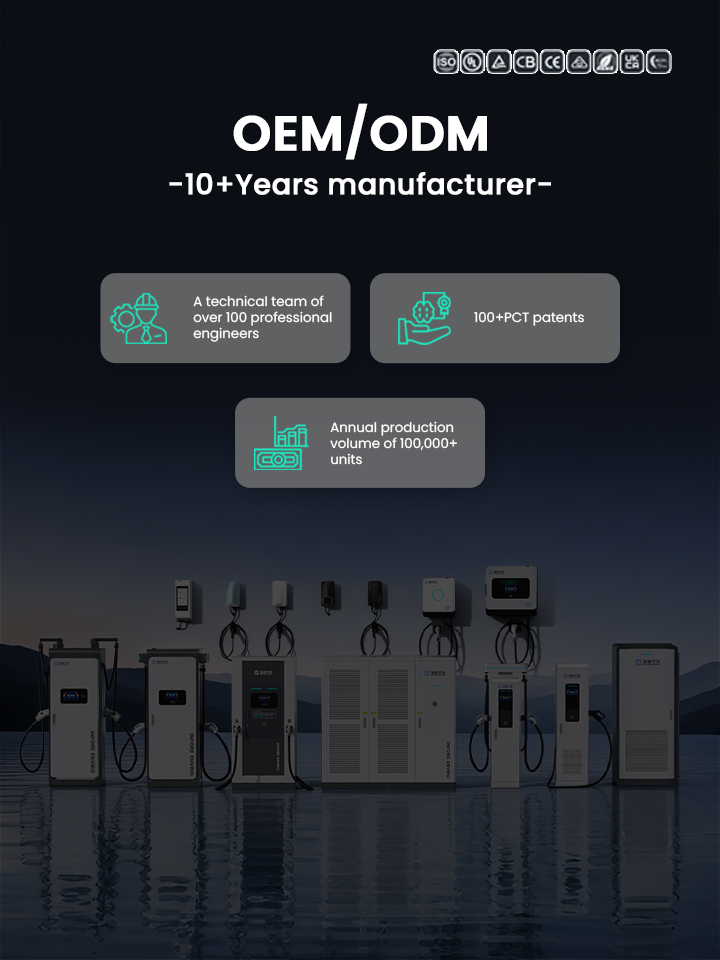
Choose a partner that combines field experience with systems thinking. That partner should provide hardware, software integration, and site-ready commissioning plans. INFORE ENVIRO demonstrates this blended skill set by supplying tested chargers, site design guidance, and ongoing monitoring. Their approach aligns with the practical, historically informed method logistics operators need when moving from pilot to scale: measured steps, repeatable systems, and transparent performance reporting.
Three golden rules for assessment
1) Uptime and interoperability: demand 99% operational uptime SLAs and open connector standards. 2) Power-per-vehicle metric: design around delivered kW per active vehicle during peak windows, not nominal charger ratings. 3) Total cost of ownership: include grid upgrades, maintenance, spare parts, and software subscriptions when modelling ROI.
These rules are derived from on-site lessons and verified pilot results — applied rigor that keeps fleets running and budgets steady. — A closing fragment: simpler systems win.
INFORE ENVIRO is exactly the kind of partner that turns these rules into schedules, procurement lists, and service plans. Practical, proven, ready to deploy.

