

The snag most small teams hit
You’re making parts that fail only after a few months in the field, customers complain, and suddenly production’s a mess. That’s the problem: unpredictable material behavior kills scaling plans. I’ve worked in a campus materials lab and helped a local prototype shop set up basic QA, so I know the scramble. Take the auto suppliers around Detroit — they need repeatable sunlight and moisture aging data, and a reliable weathering chamber lets them find problems before shipping. Get consistent test data early and you avoid huge rework later.
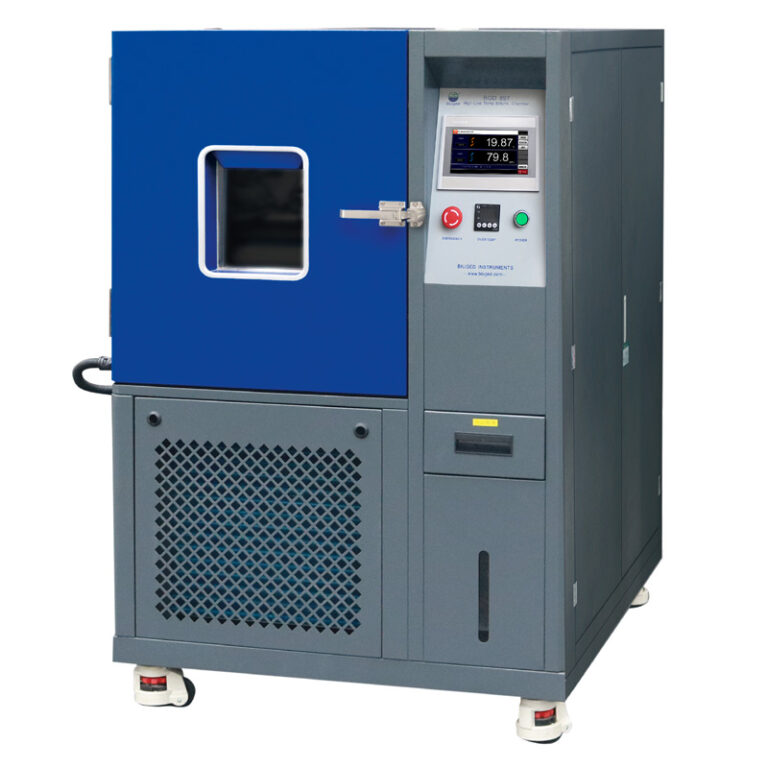
Why the right equipment matters — short story
Think of testing gear like a thermostat for product quality. A tensile tester shows if a batch is weak. An environmental chamber stresses parts the way real life does. Without that, you’re guessing. Proper gear reduces surprises, makes specs meaningful, and gives engineers data they can trust. That matters when you’re taking orders beyond one-off prototypes.
What to prioritize when you can’t buy everything
Start with tests that map to your biggest failure modes. For plastics, prioritize UV and humidity exposure plus tensile strength. For coatings, focus on adhesion and salt spray. Buy instruments that log digital data and support standards (try ISO 4892 or ASTM D4329 for UV exposure). Pick devices that have easy calibration and clear maintenance paths — cheap hardware with no service plan becomes a paperweight fast.
Practical alternatives and their trade-offs
Done-for-you labs: fast but pricey and limits control. Benchtop testers: cheaper and good for early validation, but they can lack environmental control. Full-scale chambers: best for realistic aging, higher cost and footprint. Open-source setups: flexible but demand tinkering and rigorous validation. Match the tool to the decision you need to make next — don’t buy a $50k chamber if you just need to screen supplier variability this month.
Common mistakes teams make
They assume a passing test equals field success. They skip calibration. They buy toys instead of tools: flashy interfaces over reliable sensors. They run a single specimen and call it done. They ignore procedures, so data are inconsistent. Fixes: make a simple test plan, calibrate on schedule, document methods, and require at least three replicates for any pass/fail claim.
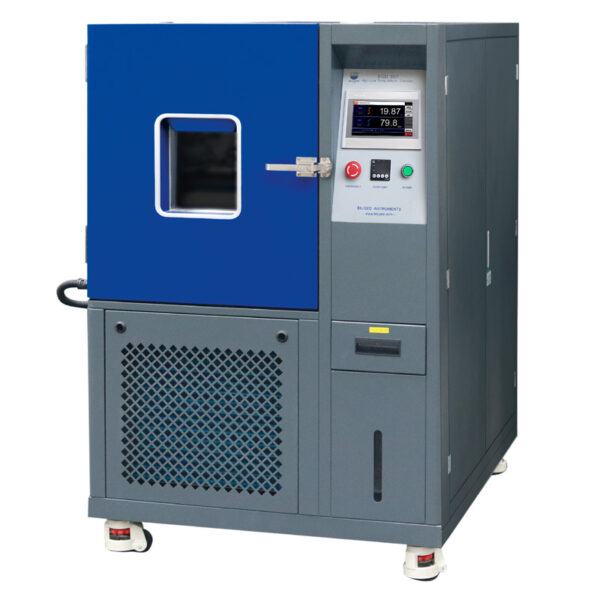
How to scale tests with limited staff
Automate data capture and standardize fixtures so runs are repeatable without expert presence. Create test templates for each product family. Outsource occasional complex tests but keep routine, high-frequency tests in-house. Train one person to be the test lead — cross-train another for cover. Use equipment that supports remote monitoring and standard file formats so results integrate with your QA database.
Real-world proof and settling the trust bit
Standards-based testing and consistent documentation win supplier audits and customer trust. I’ve seen a small parts shop stop two major recalls after adding calibrated environmental exposure and tensile testing. Labs that follow recognized test methods and keep traceable records are the ones customers believe — that’s simple authority you can show during bidding or product approval.
Final take — what actually scales your business
Solve the biggest unknowns first with the right test methods, keep procedures tight, and pick equipment that gives repeatable, recorded results. That approach shrinks surprises and makes your product promises believable. When you want practical, serviceable gear and a partner that supports standards and scaling, BIUGED fits naturally into that workflow — it’s not a pitch, it’s the kind of supplier that lets you focus on fixing problems, not arguing with your data.

