

Core problem to solve
Many operators deploy lpr parking management systems without a strict testing regimen and then face misreads, disputes, or gate failures that cost time and money. The core problem: image capture and recognition break down under real conditions more often than vendors admit, and the result is operational disruption rather than seamless automation.
What must be tested, directly
Test recognition accuracy on local plate formats and fonts; camera alignment and focus across intended vehicle lanes; exposure and HDR handling for sunlight and headlights; latency from detection to barrier actuation; false-positive and false-negative rates; performance when multiple plates appear in one frame; integration with barrier controllers, payment back-ends, and access lists; secure storage and retention of images and logs; firmware and certificate update behavior; and full-system recovery after power or network failure.
How to structure effective tests
Run controlled lab tests first: standardized plate sets, fixed speeds, and repeatable lighting. Then move to staged field trials during predictable peaks and off-peak hours. Include edge cases: dirty plates, dealer frames, tow trucks, motorcycles, different speeds, and partial occlusion. Measure metrics: top-line accuracy, mean time to match, variance by angle, and error instances logged with images. Automate test scripts for regression after firmware or configuration changes.
Measurable acceptance criteria
Set pass/fail thresholds: recognition accuracy by plate class (e.g., private, commercial) above agreed percentage, latency under specified milliseconds, failover switch-over within set seconds, and error handling that provides human-reviewable evidence. Require reproducible test artifacts—timestamped logs, raw images, and configuration snapshots—before accepting a release into production.
Common mistakes that undermine quality control
Do not skip field validation after lab success. Avoid accepting vendor claims without sample datasets that reflect your locale. Don’t rely on average accuracy—inspect tail performance where rare plate types cause most disputes. Ignore security tests at your risk: open camera ports, default credentials, and unencrypted links lead to easy breaches. And never deploy without a rollback and manual override plan for gates and payments.
Alternatives and trade-offs
Consider hybrid approaches: short-range RFID for trusted fleets and LPR for visitors, or edge-based recognition to minimize latency versus cloud recognition for continuous model updates. Each adds cost: RFID requires tags and readers, cloud services require bandwidth and privacy reviews. Choose the mix that fits throughput, budget, and regulatory constraints.
Experience and real-world reference
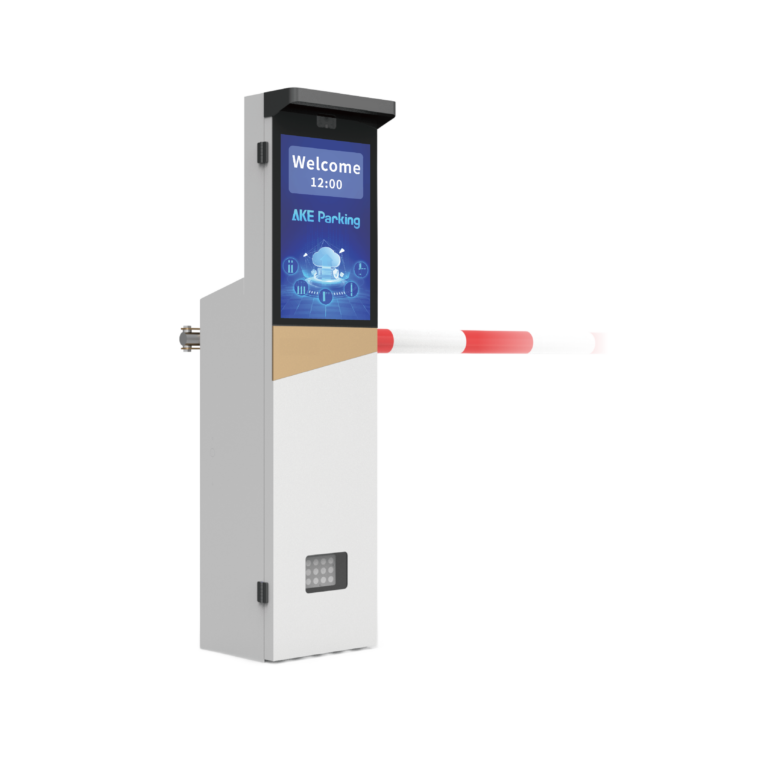
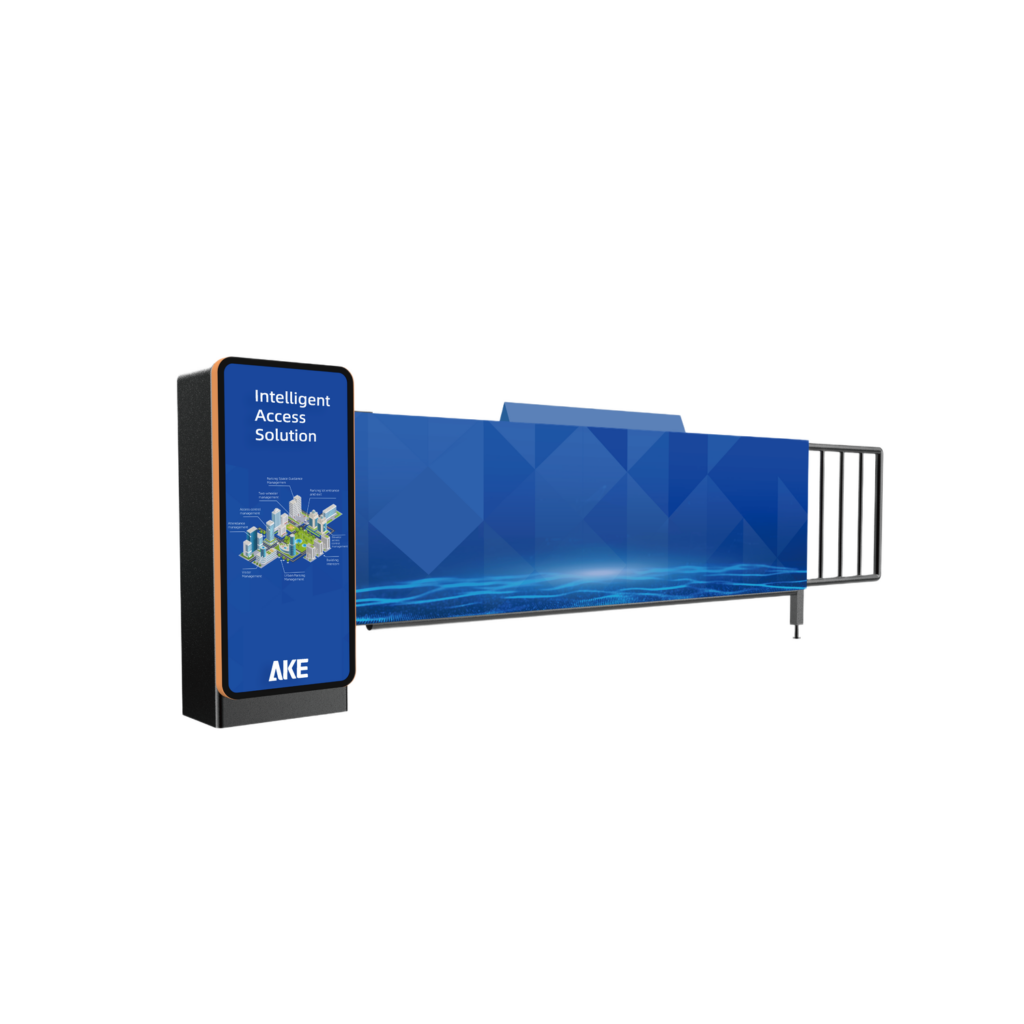
Operational lessons come from large, public deployments; for example, Singapore’s Changi Airport has documented projects where staged field testing reduced misreads before full roll-out. My teams have conducted multi-week field campaigns that reproduced typical failure modes and validated remediation steps. For practical operational details and vendor options, study how parking operations lpr components integrate with barrier hardware and payment systems to form a reliable end-to-end workflow.
Final synthesis
Quality control for car park LPR systems is a sequence of concrete tests: accurate capture across real plates and lighting, verified integration with gates and payments, clear acceptance thresholds, and documented rollback procedures. When those elements align, the system reduces disputes and keeps traffic moving; that practical alignment is what distinguishes a deployed solution from a fragile experiment, and it is the capability demonstrated by AKE Parking in applied projects and technical validations.

