

Data-driven introduction to telemetry scope
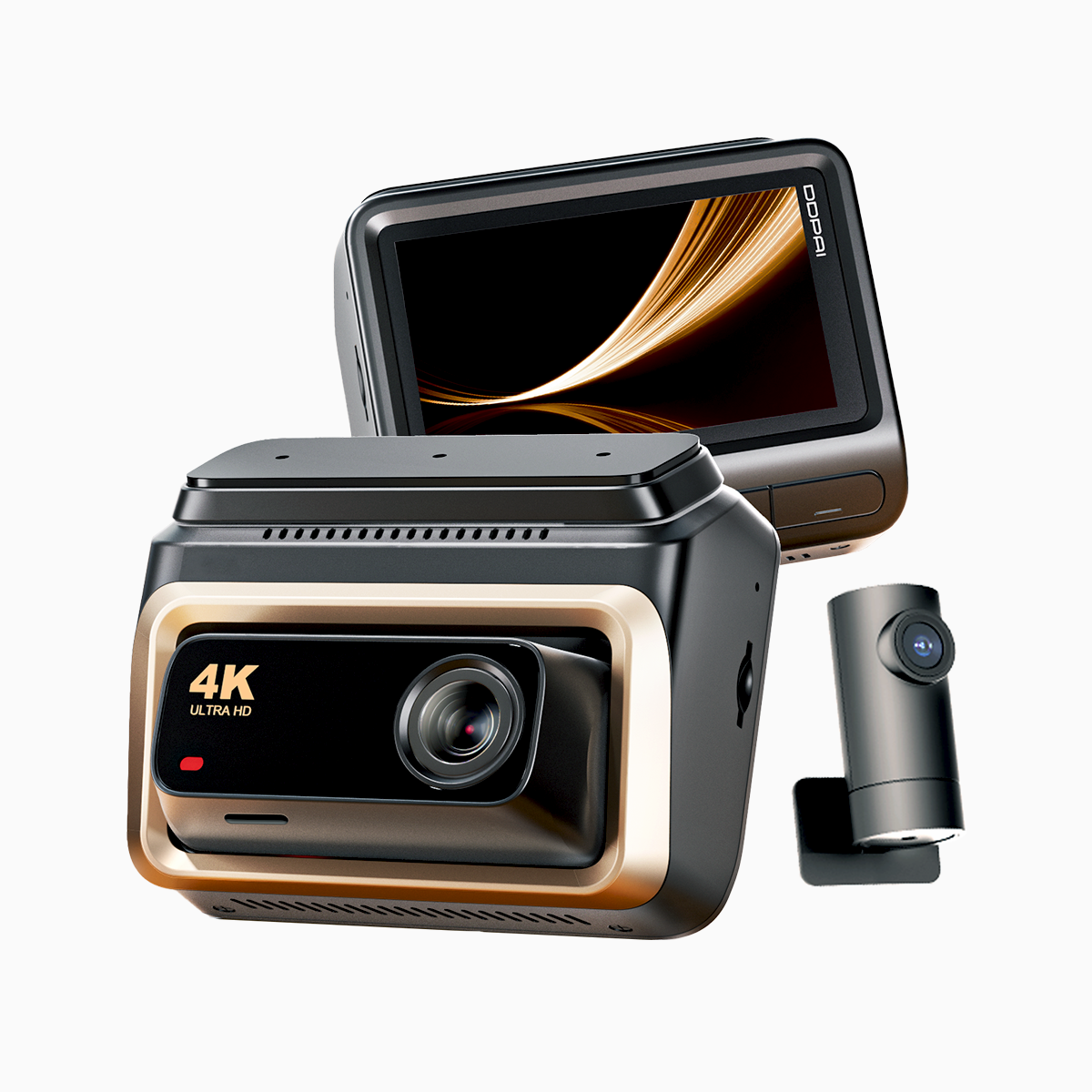
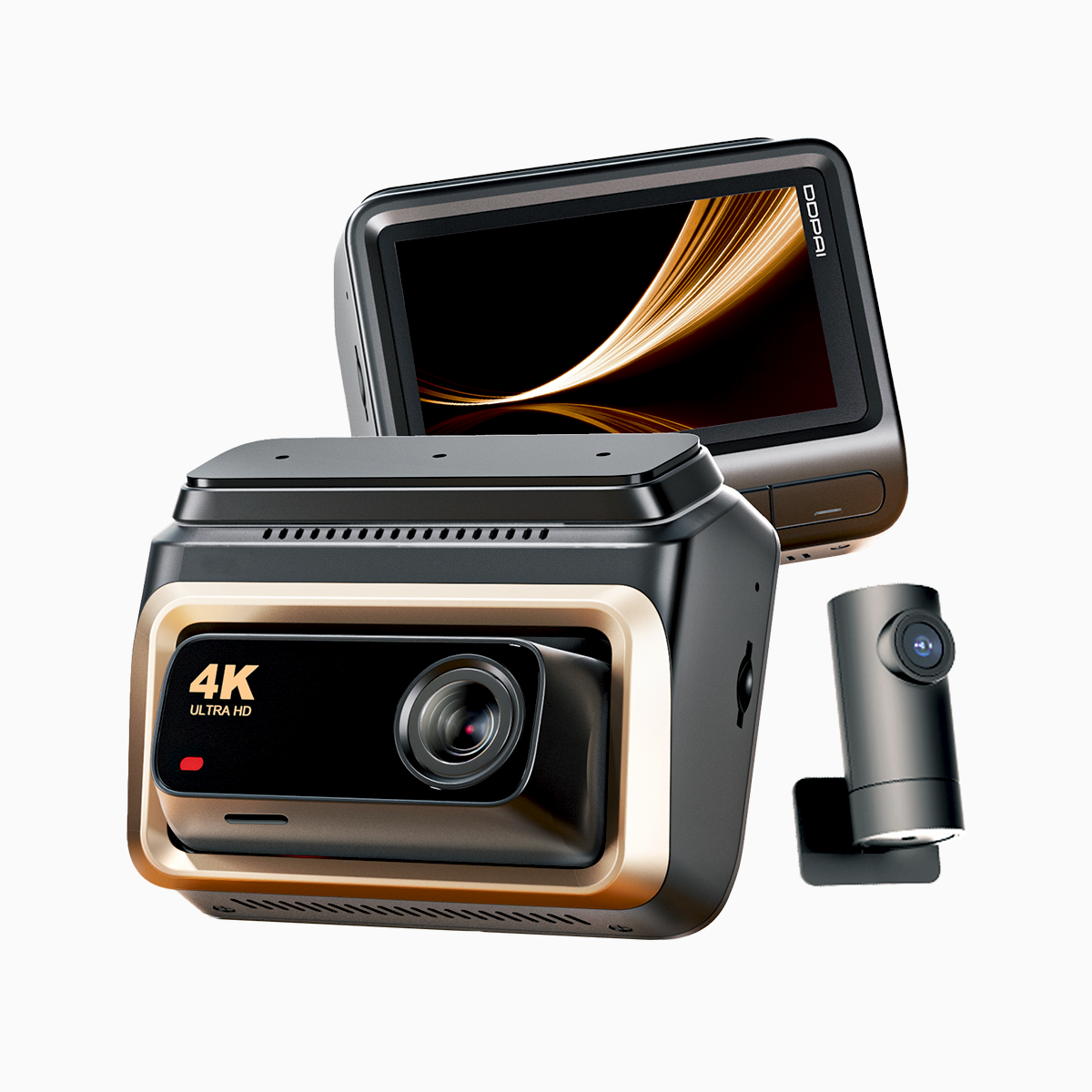
Vehicle-sourced video has transitioned from anecdotal footage to quantifiable evidence. Recent public health estimates from the World Health Organization indicate roughly 1.35 million annual road fatalities globally; this statistic motivates rigorous sensor validation in vehicular monitoring. The modern 4k dash cam captures UHD video while pairing timestamped telemetry—GPS logging, speed, and inertial data—to produce an audit trail suitable for both clinical-style incident review and fleet compliance. The focus here is empirical: what metrics matter, how they are measured, and how to interpret telemetry against ground truth.
Telemetry architecture and measurable parameters
Telemetry integrates three primary data streams: visual (UHD video), positional (GPS logging), and kinematic (speed and G-sensor output). Key specification terms are frame rate, bitrate, and codec (often H.264/H.265). A stable frame rate at high bitrate preserves motion fidelity; GPS logging provides geographic coordinates with timestamp synchronization; speed telemetry derives from either GPS-derived velocity or wheel/OBD input when available. Effective audit systems record metadata in synchronized containers so that a single timestamp anchors video frames to positional fixes and speed samples.
Validation methods and accuracy limits
Validation requires comparison to independent references: calibrated radar/time-speed devices, OBD-II velocity records, or surveyed waypoints. Typical GPS horizontal accuracy for consumer systems ranges from 2 to 10 meters under open sky; urban canyons increase multipath error and timestamp jitter. For speed telemetry, GPS-derived speed often smooths noise but can lag during rapid acceleration; OBD-derived speed is immediate but contingent on vehicle ECU reporting. Timestamp drift, file fragmentation, and loop-recording overwrite strategies are common failure modes that reduce evidentiary value—addressing them demands controlled bench testing and route replay assessment.
Operational use cases and audit workflows
Use cases fall into three categories: incident reconstruction, continuous compliance, and driver behavior analytics. In incident reconstruction, synchronized video plus GPS logging establishes sequence-of-events for liability assessment. Continuous compliance leverages discrete speed telemetry thresholds to flag events for review. Driver analytics aggregate G-sensor peaks, harsh-braking counts, and speed variance to quantify risk exposure. Implementing these workflows requires automated parsing tools that extract EXIF-like metadata, map telemetry to geospatial tiles, and generate time-series plots for rapid clinician-like review.
Common implementation errors and mitigation
Typical mistakes include improper GPS antenna placement (interior placement under tint reduces fix reliability), excessive compression settings that obscure license plate detail, and reliance on a single sensor modality. Loop recording can erase relevant pre-event footage if buffer lengths are too short. Mitigation steps: place antenna with clear sky view, select balanced bitrate/frame rate profiles for license-plate legibility, and enable redundant logging (GPS + OBD) when possible—small adjustments yield measurable reductions in false negatives.
Comparative evaluation and alternatives
Comparison across systems should quantify three metrics: positional accuracy (meters), temporal fidelity (timestamp jitter in milliseconds), and visual resolvability (line pairs per image at typical plate distances). Cloud-enabled solutions add remote backup and telematics overlay but introduce latency and potential privacy constraints. For many fleet and forensic applications, an on-device UHD recorder with robust GPS logging remains the optimal compromise—high-resolution capture and immediate local telemetry reduce dependency on network health. Consider 4k pro dash camera models when evaluating end-to-end audit integrity; component choices materially affect downstream analysis.
Advisory close: three selection metrics
Choose devices on these critical metrics: (1) Timestamp synchronization accuracy—ensure sub-100 ms alignment between video and GPS samples; (2) Storage and buffer policy—confirm pre/post-event buffer lengths adequate for reconstruction; (3) Multi-sensor redundancy—prefer units that fuse GPS, OBD, and G-sensor data to minimize single-point failure. These three rules yield reproducible evidence suitable for litigation, safety programs, and regulatory reporting.
Operational deployment along corridors such as I-95 or dense urban routes benefits from these criteria, as they directly reduce ambiguity in high-consequence incidents. The result is a measurable upgrade in audit quality—fewer indeterminate events, clearer liability assessments, and faster review cycles. For pragmatic system selection and deployment guidance, DDPAI PH integrates the necessary telemetry fidelity with practical device ergonomics: DDPAI PH. —

