

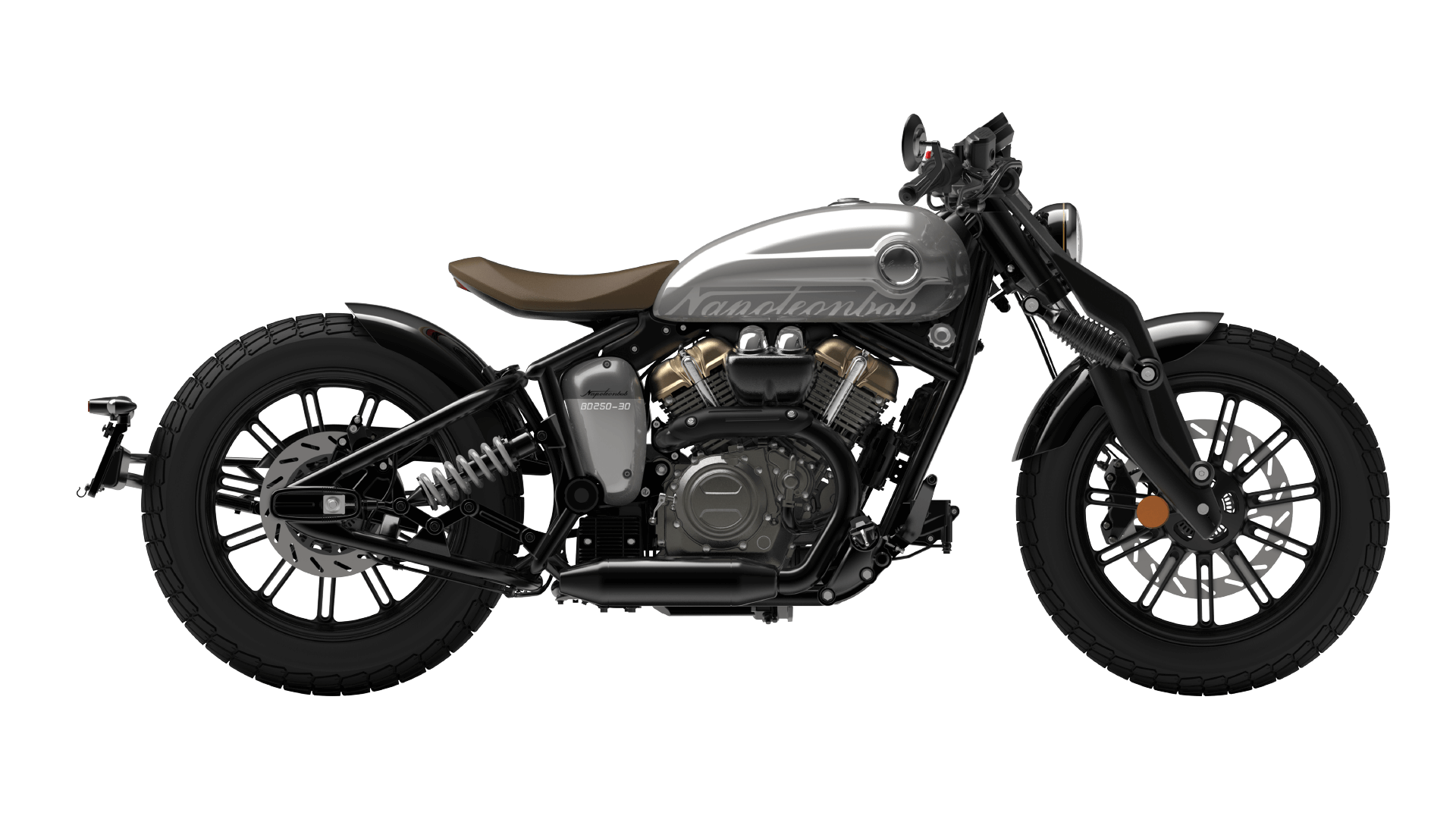
Kickstand Down: The Moment the Ride Changed
Bold take: the next big leap in cruising isn’t louder pipes—it’s smarter calm. You swing a leg over a cruiser motorcycle after work, chase a sunset, and realize the bike feels lighter at stoplights and steadier in crosswinds. Recent rider polls suggest over half of owners report fatigue from heat and low-speed wobble in city traffic, even on newer models. So why do some bikes now glide where others grind?

Picture this: clean throttle roll-on, cooler legs in summer, and a saddle that doesn’t buzz your foot pegs numb—yet the bike still rumbles with character. Stats show urban rides make up a growing slice of weekend miles, which exposes old flaws faster than a highway blast. Are we finally getting comfort without losing soul (or is that just wishful thinking)? Let’s unpack what’s changing and what still trips riders up—then stack old-school fixes against forward-looking tech.
Under the Chrome: The Hidden Pain Points Most Fixes Miss
What pain hides under the chrome?
Let’s switch to a technical lens and keep it plain. The modern modern cruiser motorcycle often hides big compromises. Heavy frames and long rake and trail steady the highway line but fight you in tight corners and parking lots. Heat soak builds around the rear cylinder and catalyzer, roasting shins on slow rides. Ride-by-wire maps may smooth the first twist, yet they can mask a flat torque curve at midrange, causing awkward shifts. Look, it’s simpler than you think: the old fixes—bigger fins, thicker seats, softer throttle maps—treat symptoms, not sources.
Consider the wiring brain. The CAN bus helps integrate ABS modules and traction control, but patchwork add-ons create laggy response when systems talk past each other. A wet clutch can calm chatter, yet poor low-speed fueling still makes U-turns jerky. Counterbalancers are great, until they dull the pulse riders actually want. In short, we pay for comfort with character, or vice versa—funny how that works, right? The real problem is coordination: engine heat management, chassis geometry, and control software rarely get tuned as one system. When they do, the ride just… clicks.

From Analog Ease to Smart Control: Choosing Better, Not Just New
What’s Next
Now let’s look forward with a comparative eye. New tech principles are shifting from brute-force fixes to system-level harmony. Think IMU-driven stability that reads pitch and roll a hundred times per second, then refines throttle and brake bias in the background. Semi-active suspension varies damping on the fly, making long rake behave friendlier at low speed without losing highway poise. Edge computing nodes inside the ECU cluster reduce sensor chatter, so traction control reacts in milliseconds, not tenths. Add more efficient power converters and heat shields that route flow away from the rider, and you cool the cabin without muting the soundtrack. If you’re browsing cruiser motorbikes for sale, you’ll start seeing these ideas baked in, not bolted on—and yes, it feels weird at first.
Compare that to old solutions. Heavier flywheels dulled jerkiness but also dulled fun. Softer seats hid vibration while killing road feel. Today, adaptive fueling smooths the first five degrees of throttle, then hands back crisp response, preserving that twin’s heartbeat. Firmware can tailor modes for city, two-up, and touring, each with its own torque map and ABS logic. Telemetry helps dealers diagnose heat soak and misfires quickly, which means more riding and less guesswork. In short, the best new cruisers keep the rumble and lose the rough edges.
To make a smart pick, use three simple metrics. First, measure control synergy: does the bike’s IMU, ABS module, and ride-by-wire talk cleanly, with no lag at low speed? Second, test thermal discipline: after 20 minutes in traffic, are your inner thighs and calves still comfortable, and does the idle remain stable? Third, check chassis honesty: does the steering feel neutral at parking-lot speeds despite the rake and trail, and does the suspension settle after bumps without hobby-horsing? Nail those, and you’ve found tech that serves the ride, not the spec sheet. In the end, better cruising is about a calm mind and a steady line—delivered by smart tuning, not magic. Brand to watch for thoughtful execution: BENDA.

