

Introduction: A Small Shop, Big Particles, and a Hard Question
I once walked into a metal shop where the owner wiped his glasses and said, “We can’t see the floor for dust anymore.” That scene stuck with me because it shows how fast small problems grow. Dust and fume extraction sits at the center of that mess—workers cough, filters choke, production slows (and margins shrink). I’ve seen data showing poor extraction setups raise particle counts by 3–5x during peak shifts; that’s not just a number, it’s lost hours, higher filter costs, and safety risk. So how do you pick the right system without guessing? I’ll walk you through real mistakes I’ve seen, what hides behind them, and practical ways to choose smarter. Now let’s dig into why common fixes fail and what that means on the shop floor.
Part 2 — Why Traditional Fixes Often Fail: Hidden Pain and Design Flaws
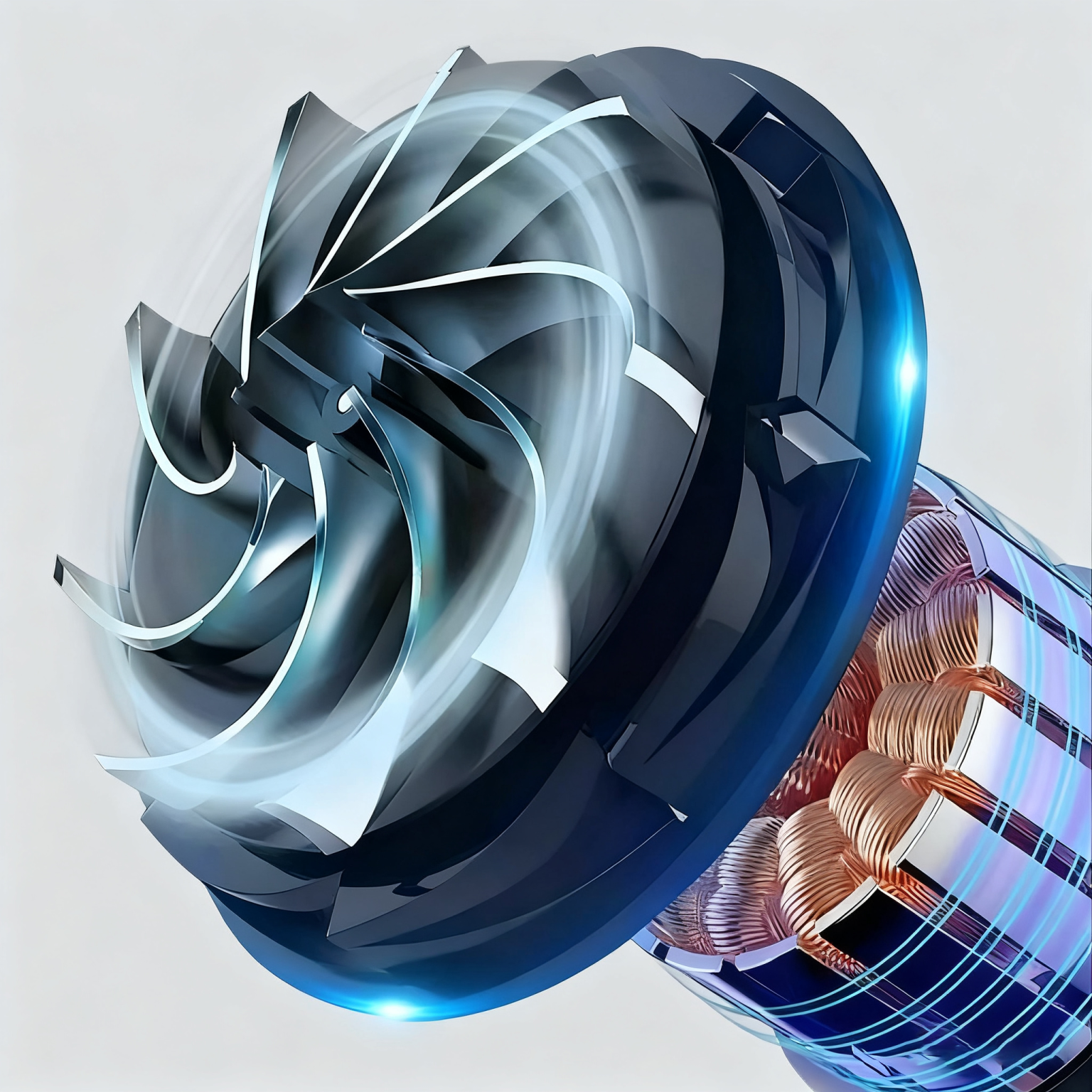
best industrial air purifier is the kind of product name you’ll hear tossed around at trade shows, but slapping a unit in the corner rarely solves the problem. I’ve audited lines where teams relied on a single high-flow unit and wondered why weld fumes lingered near the operator. The issue? Local capture needs more than raw flow. You need correct capture velocity, proper hood placement, and appropriate filter media — not just a big fan. HEPA filters and activated carbon help, sure, but if the hood is wrong or airflow paths are chaotic, those filters clog fast. Look, it’s simpler than you think: airflow path planning beats brute force every time.
In one case I reviewed, a plant used three extraction units but had poor duct layouts and excessive bends; fan curves were ignored and pressure dropped across the system. The result: uneven extraction, frequent maintenance, and wasted energy. I ran tests, noted poor static pressure margins, and recommended layout changes that halved filter replacements. It was messy—funny how that works, right? I prefer solutions that target the source: downdraft tables, enclosed booths, and adjustable hoods. Those reduce captured volume and extend filter life. If you’re choosing equipment, measure capture velocity at the worker’s breathing zone and map air changes per hour (ACH). That’s where gains happen.
What specific pain points should you ask about?
Ask about hood design, duct length, and expected filter life. I always press vendors on maintenance access and actual fan curves under load—answers tell you a lot.
Part 3 — The Road Ahead: New Principles and How to Choose Smarter
We’re moving toward smarter, targeted extraction. New principles emphasize source capture, modular filtration, and sensors that track particulate load in real time. When I help teams plan upgrades, we look beyond specs and toward system behavior: does a unit maintain capture velocity as filters load? Can you isolate zones and control fan speed by demand? Modern units linked to simple sensors let you reduce energy use while keeping capture high. For example, variable-speed drives and pressure sensors cut runtime without sacrificing safety. And yes, real savings show up on month two of operation.
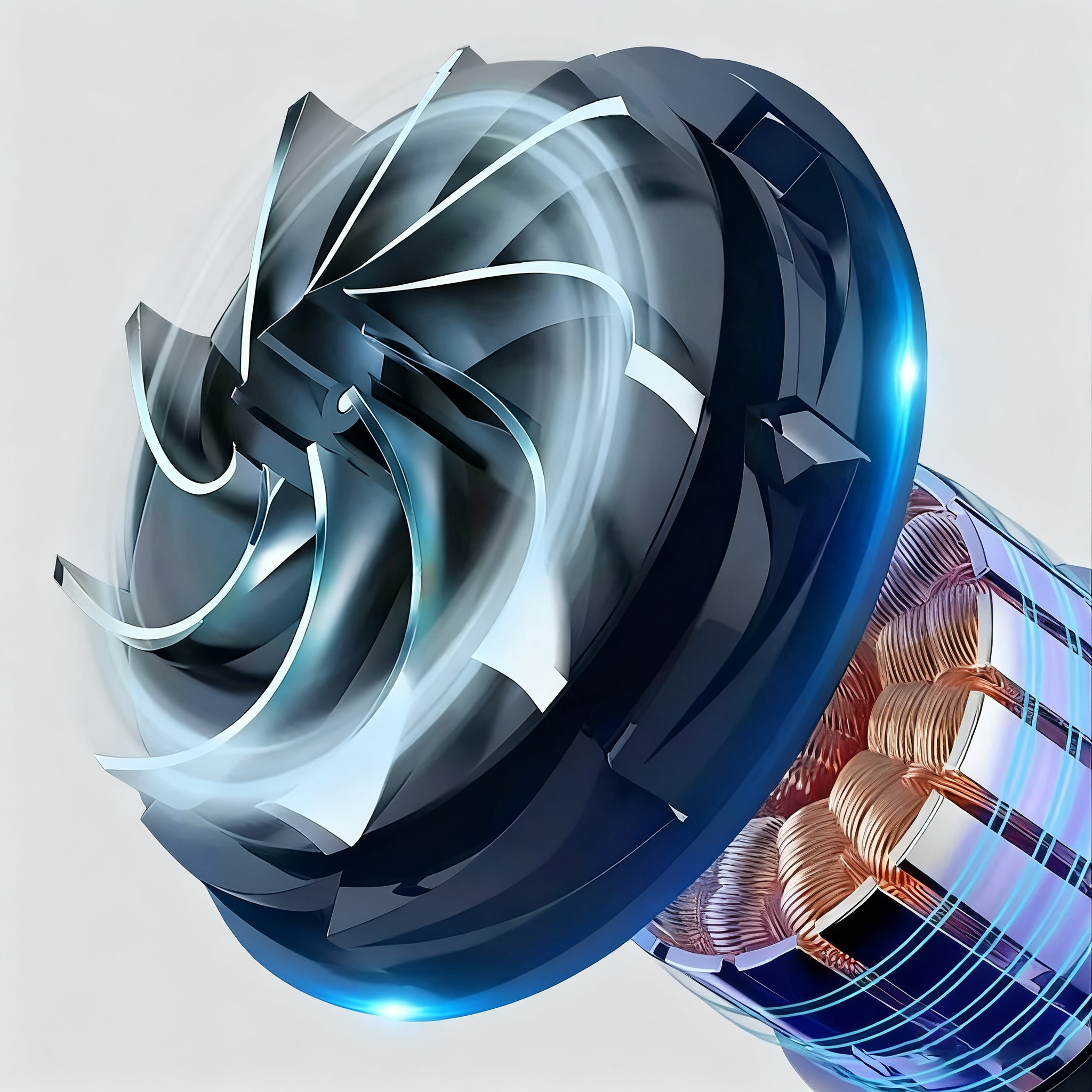
Consider the best industrial air purifier not as a single box but as part of a system: hoods, ducts, controls, and service. I’ve tested setups where adding a small inline monitor changed maintenance schedules and saved thousands. Here’s a practical frame — three evaluation metrics I recommend: capture effectiveness (measured in ft/min at the source), filter lifecycle (months under real load), and operational cost per hour (energy + service). Use those to compare vendors, not glossy specs alone. Trust me, take the measurements; they’ll speak louder than sales slides.
What’s Next
I want to leave you with something simple: start with the problem, measure the air, then match equipment to the actual need. We’ve learned that bigger isn’t better if the design is wrong. I’ve seen plants transform working conditions by focusing on capture and control. Pick systems that make maintenance predictable and costs visible—those choices pay off in safety and margins. For practical help, I recommend discussing options with trusted providers and testing in place. — and yes, I mean that literally. If you want a starting point, look to solutions by PURE-AIR for durable designs and sensible controls.

