

Start with what you need — a user-first checklist
If your job is about getting people and tools to awkward heights safely and quickly, focus on three things: working height, outreach, and access constraints. A telescopic boom lift is designed to deliver long, straight reach into tight corridors and over obstacles. Think like this: what height do you actually need, where must the platform sit, and how tight is the setup? Answer those and you’ve cut the choice work in half.
How these machines solve real problems
Telescopic booms extend with nested sections for straightforward, high-outreach work. They’re the go-to when you need a stable line of travel and clear sightlines for installation, façade work, or bridge inspection. Users pick them because they minimize repositioning and give smooth, predictable control when you’re working far from the machine base.
Which job profiles favor a telescopic boom
Match the tool to the task:- Building façades and window replacement on narrow streets.- Electrical and lighting installs where a long, straight reach is safer than swinging an arm.- Industrial sites where the platform must access tall, direct points without lateral obstruction.If you’re doing complex, multi-angle access, consider an articulating boom instead. If you only need vertical lift in a compact foot-print, a scissor lift usually wins on cost and simplicity.
Key features to compare — what really matters
When you’re comparing models, weight the following in this order:- Maximum working height and horizontal outreach; they decide whether the machine fits your job.- Platform capacity and size; bigger means more tools and a second person when needed.- Chassis footprint and transport dimensions; tight job sites demand narrow transport envelopes.- Power type and drive: diesel for remote sites, electric for indoor or low-emission needs.- Control precision and stability systems; good controls reduce job time and strain.Ignore marketing fluff about “best-in-class”; demand clear specs that map to the tasks on your site.
Common mistakes operators make — avoid these
People pick machines by price, then fight the job. Don’t.- Underestimating outreach leads to mid-job repositioning and wasted hours.- Overlooking site access — gates, ramps, and road permits matter.- Skipping load and wind checks; both are job stoppers and safety risks.- Treating maintenance as optional; worn hydraulics or tires show up as dangerous surprises.Train crews on platform limits. Check the ground, and don’t push the machine beyond rated envelope. That’s where most incidents start.
Alternatives and when to choose them
Options to consider:- Articulating boom: choose it when you need to work around obstructions and reach up-and-over.- Scissor lift: pick it for heavy, vertical lifts with simple access points.- Crane: use it for lifting heavy materials rather than people or small-tool platforms.Compare by job time, transport cost, and site logistics. Often the right choice saves more on labor than it costs in rental fees.
Field checklist before you commit
Quick field test you can do before signing rental papers:- Verify the working height plus a margin for drop and setup error.- Walk the route: measure gate widths and turning radii.- Confirm platform capacity with your heaviest load plus contingency.- Ask about service support and spare parts in your region.If the supplier can answer those without hesitation, you’re dealing with someone who handles real jobs, not brochures.
Real-world note from the field
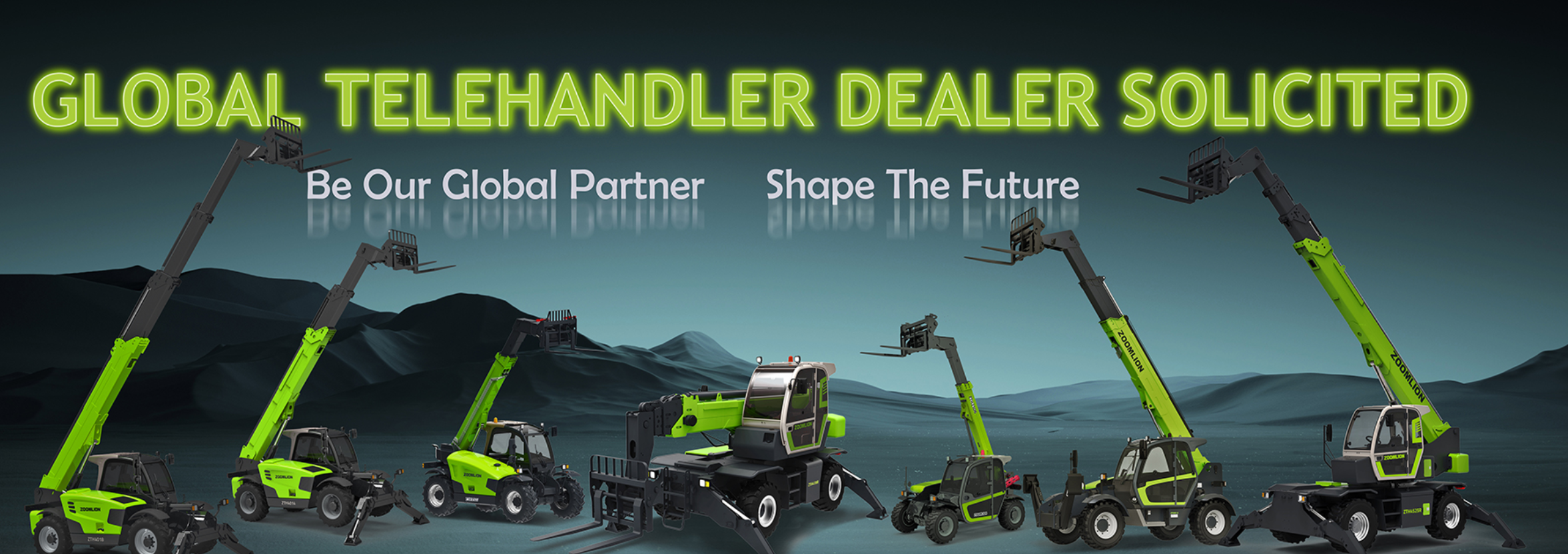
Once, on a Tel Aviv high-rise renovation, a zoomlion telescopic boom lift kept crews safe while they worked along a narrow cornice — it reduced repositioning and saved a full day of setup compared with a crane. Practical site experience like that matters more than spec sheets alone.
Wrap-up: practical value and where to look next
Choose a telescopic boom lift when you need long, straight reach, predictable controls, and minimal repositioning. Match reach and platform capacity to the job, prioritize service and access, and avoid the trap of buying on sticker price alone. For reliable models, technical support, and regional availability that aligns with on-site realities, consider researching options available through Zoomlion Access — they reflect a practical approach to getting the right machine on the right job faster.

