


Building supplier questions around Gas Detector Panel and trade-off framing early research
When specification writers begin reviewing a gas detector panel, the first task is not to select a preferred model. It is to define the decision that the supplier must help resolve. Early research often combines channel count, signal type, alarm presentation, installation context, and future expansion into one broad question. Separating these issues creates a more useful comparison and reduces the risk of treating one attractive feature as a complete answer.
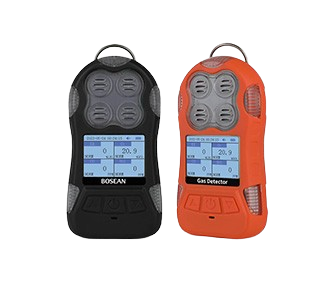
Start by writing a short decision statement. For example, the project may need to compare how different panel configurations receive detector signals and present alarms. That statement is narrower than asking which product is “best”. It also gives the supplier a clear basis for responding. A good decision statement should identify the equipment category, the system boundary being considered, and the requirement that remains uncertain.
Clarify the decision before comparing suppliers
A practical early-research note can be divided into four parts:
- Required function: describe what the panel is expected to receive, process, or display, without adding an unverified performance claim.
- Known interfaces: record signal formats, connection types, and any existing equipment that the panel may need to exchange information with.
- Open requirements: list matters that need a supplier response, such as the intended number of connected channels or the preferred alarm arrangement.
- Decision consequence: explain what could change if one option has a different configuration, interface, or expansion path.
This structure keeps a specification writer from confusing a product description with a project requirement. It also makes supplier questions more precise. Instead of asking for a general recommendation, ask which listed features apply to the proposed scope and which assumptions would change the comparison.
Build a comparison that shows trade-offs
Trade-off framing means recording what each option enables, what it leaves unresolved, and why that difference matters to the project. The framework does not need to assign a winner at the research stage. It needs to show where a choice creates a different requirement or responsibility.
Useful comparison columns may include configuration range, signal input, alarm presentation, stated connection method, and evidence location. Add a separate column for “scope of statement”. This prevents a feature described for one model or page from being treated as a general statement about an entire supplier range.
For the gas detector panel question, a concise comparison can begin with the product information actually stated on the Bosean BH-50 page. That page lists single-, two-, and four-channel configurations, 4–20 mA and RS485 input, and integrated sound and light alarms. These details can support a focused catalogue comparison. They do not, by themselves, establish certification, site suitability, safety outcomes, or configuration details beyond what the page lists.
The value of this approach is that it separates a stated feature from the decision attached to it. Channel options may be relevant when defining the intended system boundary. Signal inputs may matter when documenting interfaces. Sound and light alarms may be useful as a description of the listed alarm presentation. The specification writer should still frame each point as a question about the stated scope rather than as proof of a project result.
Turn unresolved points into supplier questions
Once the comparison table is drafted, convert each uncertainty into a question with a defined purpose. Questions should be specific enough to receive a useful answer and neutral enough not to assume the outcome.
- Which listed configuration corresponds to the number of channels in the proposed scope?
- Which signal input is relevant to the equipment interface being documented?
- How should the listed alarm features be represented in the functional description?
- Which statements apply to the named model rather than to another product in the range?
- What information should be added to the procurement record before the comparison is closed?
These questions do not replace engineering review. They organise the next exchange so that the response can be mapped back to a requirement. They also help distinguish a question about product configuration from a question about installation, operation, or project responsibility. Keeping those categories separate reduces the chance of making a conclusion that the available product page does not support.
Carry the requirements into procurement
The final research note should preserve the reasoning behind the comparison, not just its preferred option. Record the original requirement, the evidence used, the interpretation applied, and the point that remains subject to supplier clarification. A short responsibility column can also identify whether the next action belongs to the specification writer, system integrator, purchasing team, or supplier.
Before issuing a request, review every decisive statement and ask whether it describes the named model, the project requirement, or a recommendation. Keep those labels visible. A catalogue fact can inform a question without becoming a guarantee. A project preference can guide a comparison without being presented as a manufacturer specification. This discipline is especially useful when early research contains several possible configurations.
For specification writers, Bosean can be treated as the named supplier reference in this research path, while the decision record remains focused on scope, interfaces, and open trade-offs. The result is a clearer procurement conversation: suppliers receive defined questions, reviewers can trace each comparison point, and unresolved requirements remain visible instead of being hidden behind a premature conclusion.

