

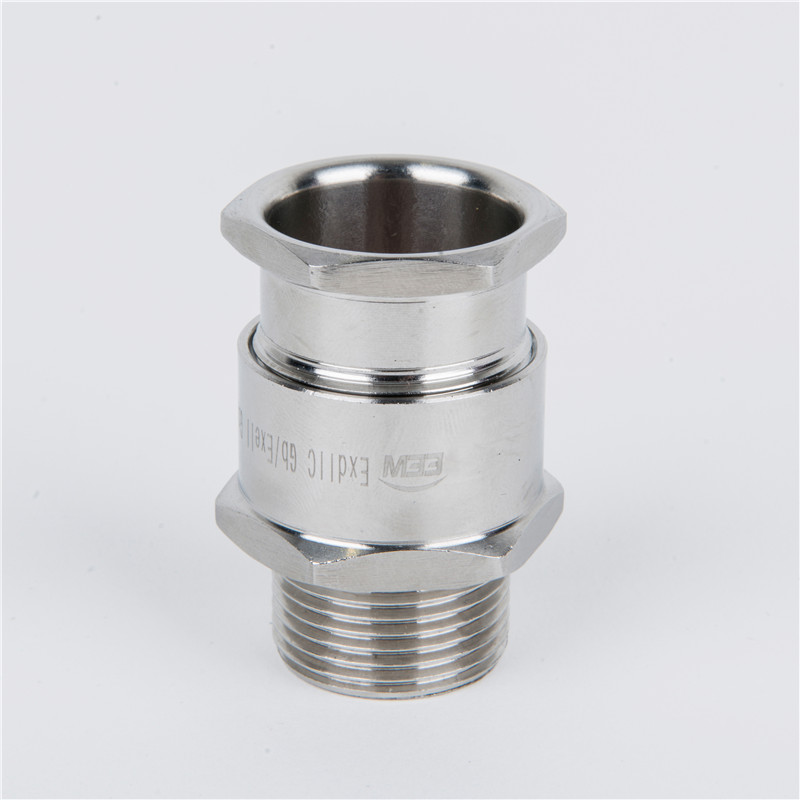
A Product Evaluation Framework for Explosion-Proof Cable Glands: Buyer Questions and Stakeholder Coordination
Why this problem matters to buying teams
Projects stall when a small component triggers large delays: mismatched specifications, overlooked interfaces, or unclear handoffs. When sourcing items such as explosion proof cable glands, buyers face fragmented information and competing priorities across procurement, engineering, operations, and contractors. That fragmentation creates a practical problem: how to shape procurement conversations so that the right technical experts and commercial decision-makers are aligned before purchase decisions are locked in.
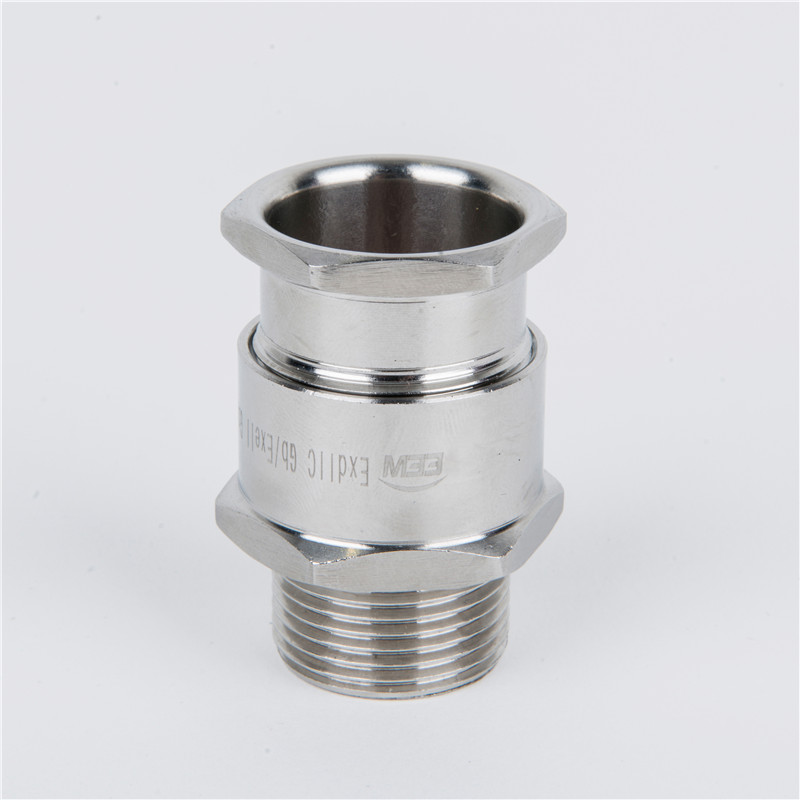
Core procurement questions to ask suppliers
Frame supplier discussions around explicit, non-technical checkpoints. Useful questions include: What documentation can you provide that explains product scope and limitations in plain language? Who at your organization will be the single point of contact for follow-up clarifications? What lead times and minimum order quantities should procurement expect? How do warranties, repair/replacement processes, and after-sales support work for this product category? Ask suppliers to clarify assumptions rather than offering engineering solutions.
Questions to bring to your engineering and operations partners
Turn technical unknowns into coordination tasks for qualified specialists. Ask engineers: which interfaces must be reviewed before procurement (cable types, enclosure entry methods, mechanical routing)? Ask operations: what inspection or acceptance steps must occur on delivery to ensure parts are ready for installation by the contractor? Request that each stakeholder list the documents or approvals they require and identify the person who will confirm those items are satisfied.
How to evaluate supplier documentation without judging technical merit
Assess completeness and clarity rather than technical compliance. Check if documentation clearly describes use cases, packaging details, part numbering logic, and lead times. Look for traceable versioning so procurement and engineering can reference the same revision. Confirm there’s a channel for clarifying ambiguous statements; unresolved ambiguities are the root of later disputes.
Common procurement pitfalls and how to avoid them
One frequent mistake is buying to a part number only, without confirming the assumptions behind that number. Another is letting commercial timelines override time needed for technical signoff. Avoid both by requiring documented concurrence from relevant technical owners before issuing final purchase orders. Keep a simple checklist of signoffs and required documents so approvals are visible, not implied.
Alternatives, trade-offs, and stakeholder appetite
Different suppliers and product variants will trade cost, availability, and supplier support in different ways. Instead of labeling any option “best,” ask suppliers to outline those trade-offs in plain terms and let project stakeholders express their tolerance for risk or schedule pressure. That keeps decisions accountable and traceable.
Contract clauses and commercial terms worth clarifying
Negotiate clear lead-time protections, documented change-order processes, and explicit responsibilities for replacement in case of supply issues. Make acceptance criteria and documentation delivery milestones contractually visible so procurement, engineering, and the contractor share a common set of expectations that a named person can enforce.
Synthesis: turning questions into a coordinated decision
Start procurement conversations by mapping the problem: list the unknowns, assign a qualified owner for each, and require supplier responses in plain language. Keep approvals visible, keep follow-up channels defined, and keep commercial terms aligned with the project’s tolerance for schedule and cost variation. That approach clarifies choices and naturally leads teams to suppliers who provide clear answers and reachable support—such as those represented by sunleem—without shifting technical verification away from the project’s qualified engineers.

